
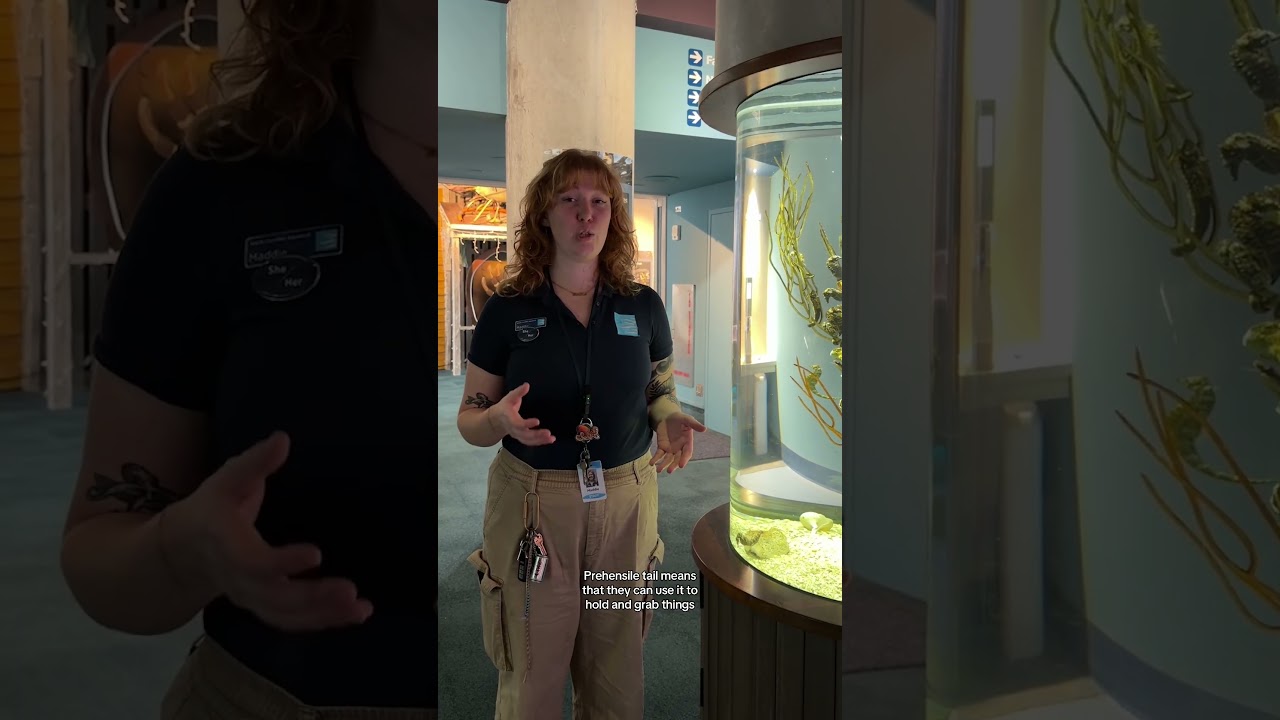
- Understanding the biology and habitat of pipefish.
- The significance of species conservation in marine ecosystems.
- The role of zoo management in wildlife preservation.
- Strategies for public education and engagement in conservation efforts.
- Challenges faced in pipefish conservation and potential solutions.
Pipefish, often an overlooked member of the Syngnathidae family, share a lineage with seahorses and seadragons. Their slender bodies and elongated snouts allow them to blend seamlessly into their marine environment. While these fascinating creatures can be difficult to spot, their importance within marine ecosystems is vast, playing crucial roles in the food web and biodiversity maintenance.
The first step to understanding their significance lies in their biology and habitat. Pipefish are predominantly found in seagrass beds, coral reefs, and mangroves. These environments offer both protection and abundant feeding opportunities. Their diet mainly consists of small crustaceans and plankton, which they adeptly capture using their specialized mouths. The pipefish’s camouflaged appearance is a remarkable adaptation that allows them to evade predators while ambushing prey.
The conservation of pipefish is not just about protecting a single species; it reflects a broader commitment to marine conservation. Pipefish are indicators of ecosystem health, meaning their presence—or absence—can signify changes in environmental conditions. This makes their conservation critical. Efforts to preserve marine biodiversity often focus on ensuring healthy habitats, like seagrass beds, which are vital not only for pipefish but for countless marine organisms.
Zoo management plays a pivotal role in preserving pipefish populations and educating the public about marine conservation. Zoos and aquariums function as both sanctuaries and educational platforms. They offer controlled environments for breeding programs aimed at boosting population numbers and genetic diversity. More importantly, they provide opportunities to engage the public through educational programs that raise awareness about the essential role of species like pipefish in marine ecosystems.
Public education is an integral part of effective wildlife conservation. By fostering a deeper understanding of marine life, people are more likely to support conservation initiatives. Interactive exhibits, informative talks, and innovative digital content can draw visitors’ attention to the plight of pipefish and their habitats. This awareness can translate into increased support for conservation policies and sustainable practices that benefit marine ecosystems.
Conservation is not without its challenges. Pipefish face several threats, including habitat destruction, pollution, and climate change. Seagrass beds, their primary habitat, are particularly vulnerable to coastal development and water pollution. Addressing these challenges requires integrated conservation strategies that combine habitat protection, pollution control, and climate action. For example, efforts to restore seagrass beds can directly benefit pipefish and other marine life dependent on these areas.
Research is fundamental to understanding the specific needs of pipefish and developing effective conservation strategies. Ongoing studies focus on understanding their biological and ecological requirements, which informs habitat management and restoration efforts. Collaboration between governments, conservation organizations, and scientific communities is essential to protect these species and restore their environments.
The conservation journey of pipefish highlights the interconnectedness of life within our oceans. Protecting this species goes hand in hand with broader environmental efforts. By fostering resilience in marine ecosystems, we not only safeguard pipefish but also the multitude of species that share their habitat. Through strategic conservation efforts, education, and public engagement, we can contribute to a thriving and balanced marine ecosystem.
*****
Source Description
