
- Introduction to Sonoran Desert Tortoises and their habitat
- Importance and methods of garden enrichment for tortoises
- Insights into the behavior and diet of desert tortoises
- The role of zoos in conservation and education
- Conservation challenges and efforts for the Sonoran Desert Tortoise
Sonoran Desert Tortoises are remarkable creatures that inhabit the arid landscapes of the southwestern United States and northwestern Mexico. These reptiles have adapted to some of the harshest environments, showcasing nature’s resilience. The Sonoran Desert, with its extreme temperatures and sparse vegetation, provides a unique backdrop for these tortoises’ lifestyle, which revolves mainly around burrowing to escape the midday heat and foraging during cooler hours.
Garden enrichment plays a significant role in the well-being of tortoises in captivity. This activity involves creating stimulating environments that mimic their natural habitat, allowing them to exhibit natural behaviors. Enrichment sessions may include diverse vegetation, rocks, and logs, designed to engage tortoises physically and mentally. These sessions aren’t just about providing food but also about enhancing the tortoises’ quality of life, facilitating their natural behaviors, and promoting their overall health.
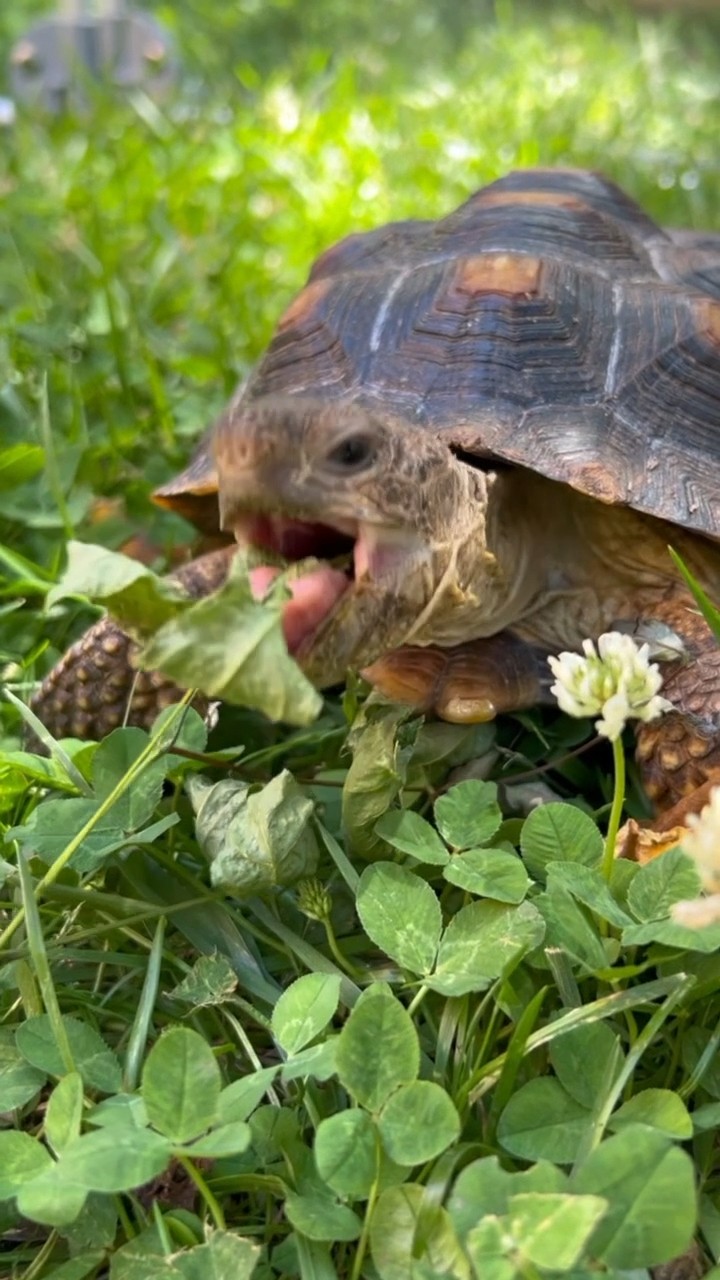
Observing Sonoran Desert Tortoises during these enrichment activities offers insight into their behavior. They are primarily herbivorous, with a diet consisting of grasses, wildflowers, and cacti. Watching tortoises munch on clover and grass can be quite enlightening, especially considering their slow and deliberate movements. Their feeding habits highlight their adaptation to the desert environment, where water conservation is crucial. Tortoises absorb moisture from the plants they eat and can store water for long periods.
Zoos play a vital role in the conservation and education of species like the Sonoran Desert Tortoise. These institutions serve as both refuges for wildlife and educational platforms for the public. Through onsite observation and educational programs, visitors gain a deeper understanding of tortoise ecology, the importance of conservation, and how they can contribute to safeguarding wildlife. The presence of tortoises in zoos provides a connection between visitors and nature, fostering a sense of stewardship for the environment.
Conservation efforts for the Sonoran Desert Tortoise are increasingly important as these reptiles face numerous challenges, such as habitat destruction, road mortality, and climate change. Conservation strategies focus on habitat protection, research, and public education. Collaborative efforts between zoos, governmental entities, and conservation organizations aim to protect these tortoises for future generations. By raising awareness and fostering appreciation for these creatures, there is hope for their continued survival in the wild.
The enrichment of Sonoran Desert Tortoises is not just an activity but a crucial component of their care in captivity, showcasing the intersection of animal welfare and conservation. These efforts reflect a broader commitment to preserving biodiversity and promoting sustainable ecosystems. The fascination with these resilient reptiles serves as a reminder of the intricate balance necessary for coexistence between humans and nature.
*****
Source Description
You’ve got to watch this…
Our Sonoran desert tortoises were out enjoying a garden enrichment session today! 🐢✨ They clearly had a blast munching on some fresh grass and clover. There’s no better way to shellebrate these incredible reptiles even though is everyday for us.💙
