
- Importance of World Turtle Day and Its Role in Turtle Conservation
- Key Turtle Conservation Tips for Enthusiasts
- Understanding Turtle Nesting Behavior and Safety
- Participation in the Turtle Census for Conservation Efforts
- Engaging with Educational Activities to Foster Awareness
World Turtle Day represents a significant opportunity to promote awareness and drive active participation in conservation efforts aimed at protecting these remarkable reptiles. Celebrated globally, this day underscores the need to preserve turtle habitats and advocate for their survival amidst threats such as habitat destruction and climate change. By engaging in this cause, individuals not only contribute to vital conservation initiatives but also deepen their understanding of the biological and ecological roles turtles play in our environment.
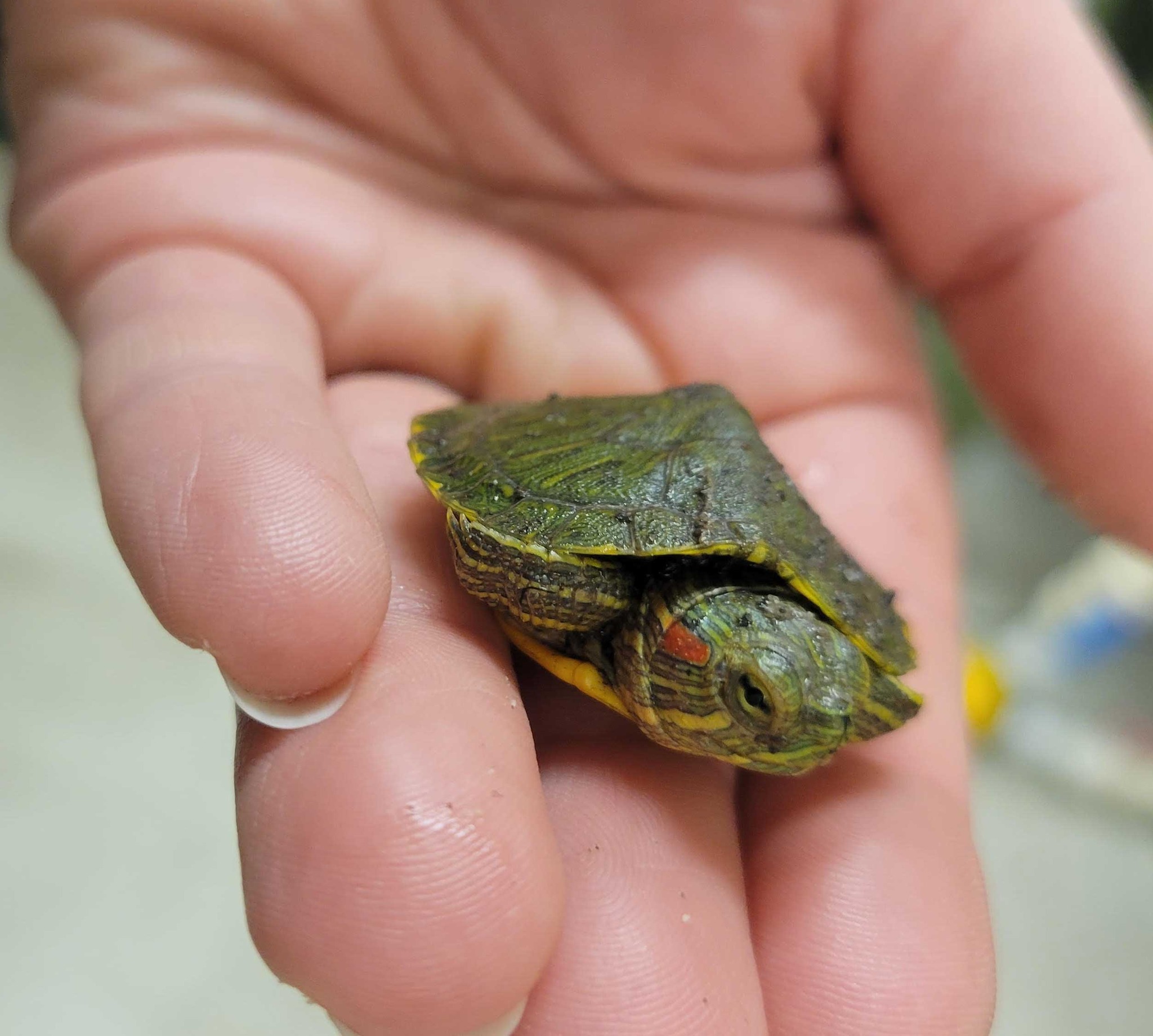
Turtle conservation is a multifaceted field requiring concerted efforts to safeguard populations across diverse habitats. One of the primary focuses during turtle nesting season is ensuring the safety of both baby and adult turtles. For instance, when encountering a baby turtle, it is recommended to carefully place it near water, ensuring it has shelter under nearby vegetation without directly placing it in the water. This practice supports their natural journey while minimizing human interference.
Observing nesting adult turtles requires patience and respect. Female turtles can enter a trance-like state while laying eggs, a critical biological process that necessitates solitude. Recognizing false nests, which are sometimes created to mislead predators, is part of understanding this intricate behavior. When a turtle is found on the road, if safe, assisting it in the direction it was headed is vital. This helps maintain its natural migratory path, whether to or from a nesting site.
Special caution is advised with snapping turtles. Their unique physiology and defensive nature make them better admired from a distance, and they should never be handled. In situations where they’re in danger from traffic, directing vehicles to ensure their safety is the best course of action. For injured turtles, having the Wildlife Response hotline at hand (757-543-7000) ensures that professional help can be reached promptly.
It is imperative to remember that wild turtles are not pets. Capturing them disrupts their natural life cycle and, following extended captivity, reintroducing them to the wild becomes problematic. They have remarkable lifespans, often reaching or exceeding a century. Their role in the ecosystem, from controlling vegetation growth to maintaining healthy water systems, underscores the importance of recognizing their autonomy and wild nature.
In celebration of World Turtle Day, individuals have the chance to contribute meaningfully through the Turtle Census. This initiative not only provides critical data on population size, age distribution, and nesting behaviors but also fosters community involvement in ongoing research and conservation projects. Participants will enjoy hands-on conservation activities, contributing real data that assist researchers in formulating and implementing conservation strategies.
The Turtle Census provides a dual benefit — participants gain outdoor adventure and conservation education while involving themselves in scientific research. Events are available with limited capacity, highlighting the importance of these activities to generate positive outcomes for turtle populations. Attendees of all ages are encouraged to dive deeper into these initiatives, creating a tangible impact on conservation efforts.
Educational components of World Turtle Day extend beyond local census initiatives. By fostering awareness, communities can emphasize the importance of sustainable practices that contribute to turtle conservation. Engaging educational campaigns, workshops, and informational sessions can help inspire future conservationists. This active participation empowers individuals by educating them about the ecological significance of turtles and the immediate actions needed to preserve their habitats.
In summary, Celebrate World Turtle Day with us by actively participating in conservation efforts and educational activities. Ensuring the safety and preservation of turtles during their nesting season is a tangible way to contribute to global conservation strategies. Join us in making a difference through educational experiences, participation in the turtle census, and spreading awareness of vital conservation efforts. By protecting these remarkable creatures, we are also safeguarding the biodiversity and health of our planet’s ecosystems.
*****
Source Description
Celebrate World Turtle Day with Us! 🐢
It’s turtle nesting season, and we need your help keeping these shelled friends safe AND accounted for!
🧠 Turtle Tips to Keep in Mind
Found a baby turtle? Gently move it to safety near water—don’t put it in the water, just nearby under a shrub.
Spot a nesting adult? Give her space. Nesting turtles can go into a trance and need time to finish laying eggs.
False nests are normal! Mama turtles sometimes dig decoys to trick predators.
See a turtle in the road? If it’s safe for you, help her in the direction she was going. She’s likely headed to or from a nesting site.
Snapping turtle? Do not pick it up. Direct traffic if needed, and let her be. These dinosaurs of the turtle world are better admired from a distance.
Injured turtle? Call the Wildlife Response hotline: 757-543-7000
Wild turtles aren’t pets. They live up to 100 years, and once in human care for 30+ days, they can’t go back.
✨ And now… we’re inviting YOU to be a part of the solution!
Join our Turtle Census and help us track local turtle populations—including size, age, and whether they’re returning residents or new arrivals.
📍 3 events available | 🐢 Limited capacity
🔍 Hands-on conservation | 👟 Outdoor fun | 📝 Real research
🌱 Sign up and make a difference this World Turtle Day!
Learn More: https://thevlm.org/conservation-initiat/turtle-census/
