
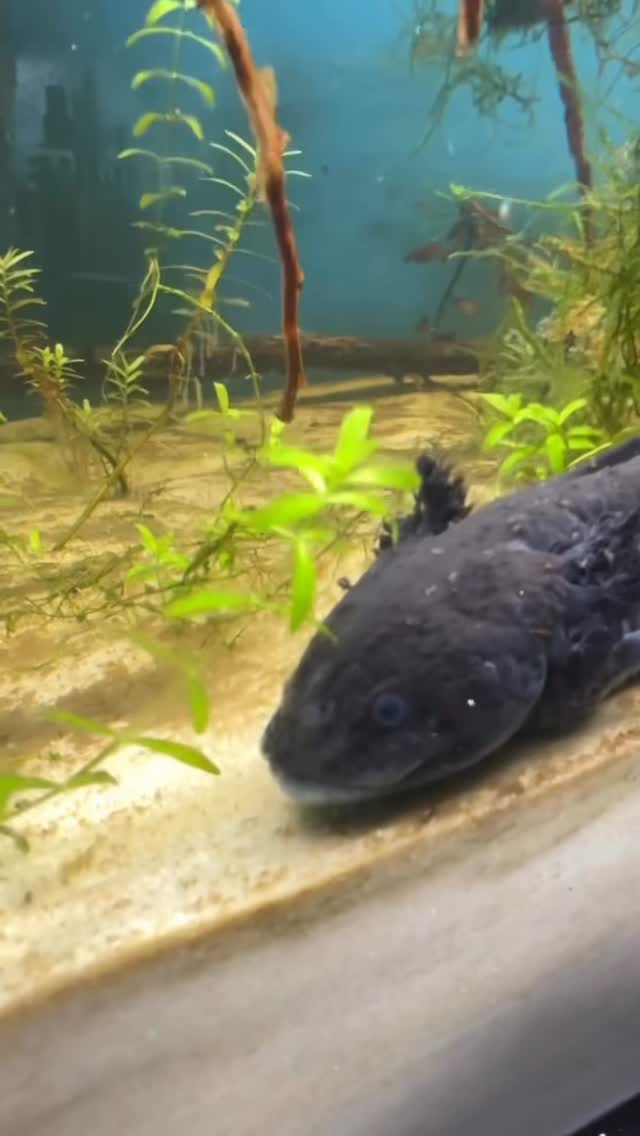
- Introduction to Axolotls and Their Significance
- Discovering the Axolotls at the Butterfly House SF
- Understanding Axolotl Biology and Behavior
- Conservation Efforts and Challenges
- The Importance of Public Awareness and Zoological Management
Axolotls, the captivating amphibians known for their wide smiles and endearing looks, have found a new temporary home at the Butterfly House in San Francisco. These fascinating creatures have charmed the public with their first week of appearances, drawing attention to the importance of preserving unique wildlife. The Butterfly House has become a focal point for education about these remarkable animals and the broader role of conservation.
Axolotls, or Ambystoma mexicanum, are a neotenic salamander species native to the lake complex of Xochimilco near Mexico City. Known for retaining their larval features into adulthood, these amphibians play a critical role in understanding evolutionary biology and regeneration. Unlike most amphibians that undergo metamorphosis, axolotls remain aquatic throughout their lives, possessing gills and exhibiting a fascinating capability to regenerate limbs, spinal cords, and even portions of their hearts and brains.
The debut of axolotls at the Butterfly House SF is significant. As they make their appearance before thousands of curious visitors, these goofy-looking beings become ambassadors for wildlife conservation. Their unique physical characteristics, such as feathery external gills and vibrant colors, captivate both children and adults, pulling them into the broader narrative of ecological preservation.
In scientific circles, axolotls are revered for their regenerative abilities. This rare trait makes them valuable for research in developmental biology and medicine. Scientists study axolotls to discover how they achieve such remarkable regeneration, which may one day translate to advancements in human medicine. Their ability to regenerate complex structures is not just a curiosity but a beacon of potential therapeutic breakthroughs.
Despite their scientific importance, axolotls face severe threats in the wild. Habitat loss, pollution, and the introduction of invasive species have critically endangered these creatures in their native environment. The canals of Xochimilco, once abundant with axolotls, now bear alarming marks of human impact. Conservation efforts thus become crucial to their survival, requiring coordinated action from researchers, conservationists, and governments.
Organizations like the Butterfly House SF play an integral role in these conservation efforts. By housing axolotls, they offer a living example of biodiversity that educates the public. Through interactive exhibits and educational programs, visitors learn about the ecological challenges axolotls face. This kind of awareness is invaluable, inspiring a new generation of conservationists.
Zoo management must balance the needs of axolotls with those of the broader ecosystem. Ensuring optimal conditions for these amphibians involves replicating their natural environment closely, paying attention to water quality, temperature, and dietary needs. This meticulous care not only guarantees the well-being of axolotls in captivity but also aids researchers in understanding their requirements in the wild.
Axolotls at the Butterfly House serve as a reminder of the fragile balance in nature. They underscore the urgency of preserving critical habitats and highlight the role of educational institutions in wildlife conservation. By engaging directly with these creatures, the public fosters a deeper connection with nature, leading to support for vital conservation initiatives.
Public awareness is a powerful tool in conservation. As more people learn about the plight of axolotls, they are likely to support efforts to protect their natural habitat and fight the threats posed by urbanization and climate change. Educational programs related to axolotls contribute significantly to this awareness, making conservation a collective endeavor.
In conclusion, the presence of axolotls at the Butterfly House SF is more than an attraction—it’s a call to action. It highlights the intersection of education, science, and conservation, emphasizing the role each of us plays in sustaining our planet’s biodiversity. Through targeted efforts and widespread awareness, axolotls can continue to thrive both in captivity and hopefully, in their natural habitat once more.
*****
Source Description
This is not a drill. There are real-life axolotls at the @butterflyhouse.sf!! These adorable amphibians made their first public appearance this week, and they’re just sweet little goofy lookin’ babies.
