
- The biology and behavior of snow leopards, emphasizing their crepuscular nature
- The habitat and geographical distribution of snow leopards
- Conservation challenges and efforts to protect snow leopards in their natural environments
- The role of zoos and wildlife sanctuaries in snow leopard conservation
- Engaging readers’ personal connections and observations with nocturnal and crepuscular habits
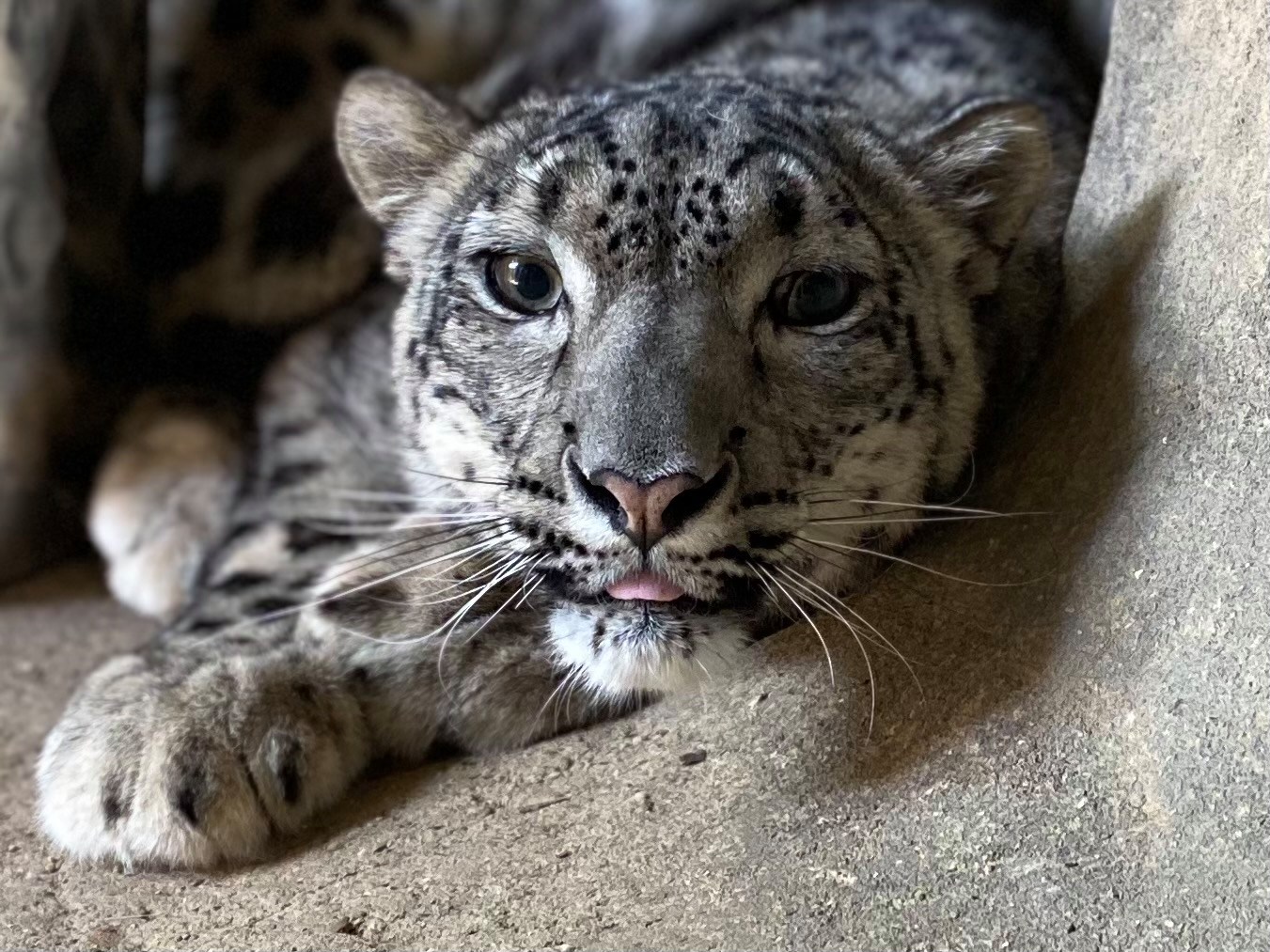
Snow leopards, like Kennedi, are fascinating creatures known for their ability to inhabit the harshest mountain environments on Earth. Renowned for their elusive nature, snow leopards are crepuscular, meaning they are most active during the twilight hours of dawn and dusk. This behavior maximizes their hunting success while minimizing the risk of being seen by potential threats.
The snow leopard, scientifically known as Panthera uncia, possesses adaptations that allow it to thrive within its rugged habitat. Their lithe bodies, paired with long tails, enable exceptional agility on rocky, uneven terrain. These tails also serve as blankets in frigid weather. The thick fur of a snow leopard camouflages it against the rocky background, a necessity for stalking prey like sheep and goats. Snow leopards have powerful hind limbs, allowing them to leap up to 50 feet in a single bound, an adaptation that is crucial for navigating their mountainous habitats.
In addition to their physical adaptations, the snow leopard’s crepuscular nature serves as a strategic advantage. At dawn and dusk, the blend of predator and prey activity increases. This timing allows snow leopards to ambush their prey under the cover of minimal light. With acute vision and hearing tuned to these low-light conditions, snow leopards can locate and surprise their next meal with remarkable precision.
Snow leopards inhabit twelve countries across Central and South Asia, including Afghanistan, Mongolia, and China. They are most commonly found at elevations ranging from 9,800 to 14,800 feet. These regions are characterized by steep cliffs, rocky outcrops, and sparse vegetation, providing an ideal backdrop for their solitary lifestyle. The home range of a snow leopard is vast, with individuals requiring up to 500 square miles to roam in search of food.
Unfortunately, snow leopards face numerous threats that challenge their survival. Habitat destruction, caused by human encroachment and mining activities, often leads to diminished prey populations. Climate change poses a significant threat, as warmer temperatures may reduce their already limited habitats. Snow leopards are also at risk from poaching, driven by the illegal wildlife trade. Their beautiful fur and body parts are highly prized on the black market, resulting in a continuing decline in their population.
The conservation status of the snow leopard is listed as vulnerable by the International Union for Conservation of Nature (IUCN). Various conservation programs are actively working to protect these majestic animals. Initiatives include anti-poaching efforts, community-based conservation programs, and research projects focusing on habitat protection. Organizations often collaborate with local communities, promoting sustainable land use practices that benefit both people and wildlife.
Zoos and wildlife sanctuaries play a crucial role in snow leopard conservation by participating in breeding programs designed to maintain genetic diversity. These programs serve as insurance against extinction, providing a potential avenue for reintroduction and habitat restoration efforts in the future. Education initiatives within zoos also raise awareness about the urgent need to protect these animals, fostering public engagement and support for conservation endeavors.
Engaging with the habits of snow leopards can provide insights into our own behaviors and preferences. Readers are encouraged to ponder their natural rhythms. Are you an early riser, a night owl, or perhaps more like a crepuscular cat? By understanding the adaptive strategies of creatures like snow leopards, we can gain a deeper appreciation for the interconnectedness of life on our planet and the importance of preserving it.
In conclusion, snow leopards represent a vital part of the ecosystems they inhabit. Through collaborative conservation efforts and increased awareness, there is hope for preserving these iconic creatures for generations to come. By acting now, we can help secure a future where both snow leopards and humans can thrive together.
*****
Source Description
Snow leopards, like Kennedi here, are crepuscular! This means that she’s typically the most active around dawn and dusk.
Sound off in the comments: are you a night owl, an early bird, or a crepuscular cat?
📸 Jill D.
