
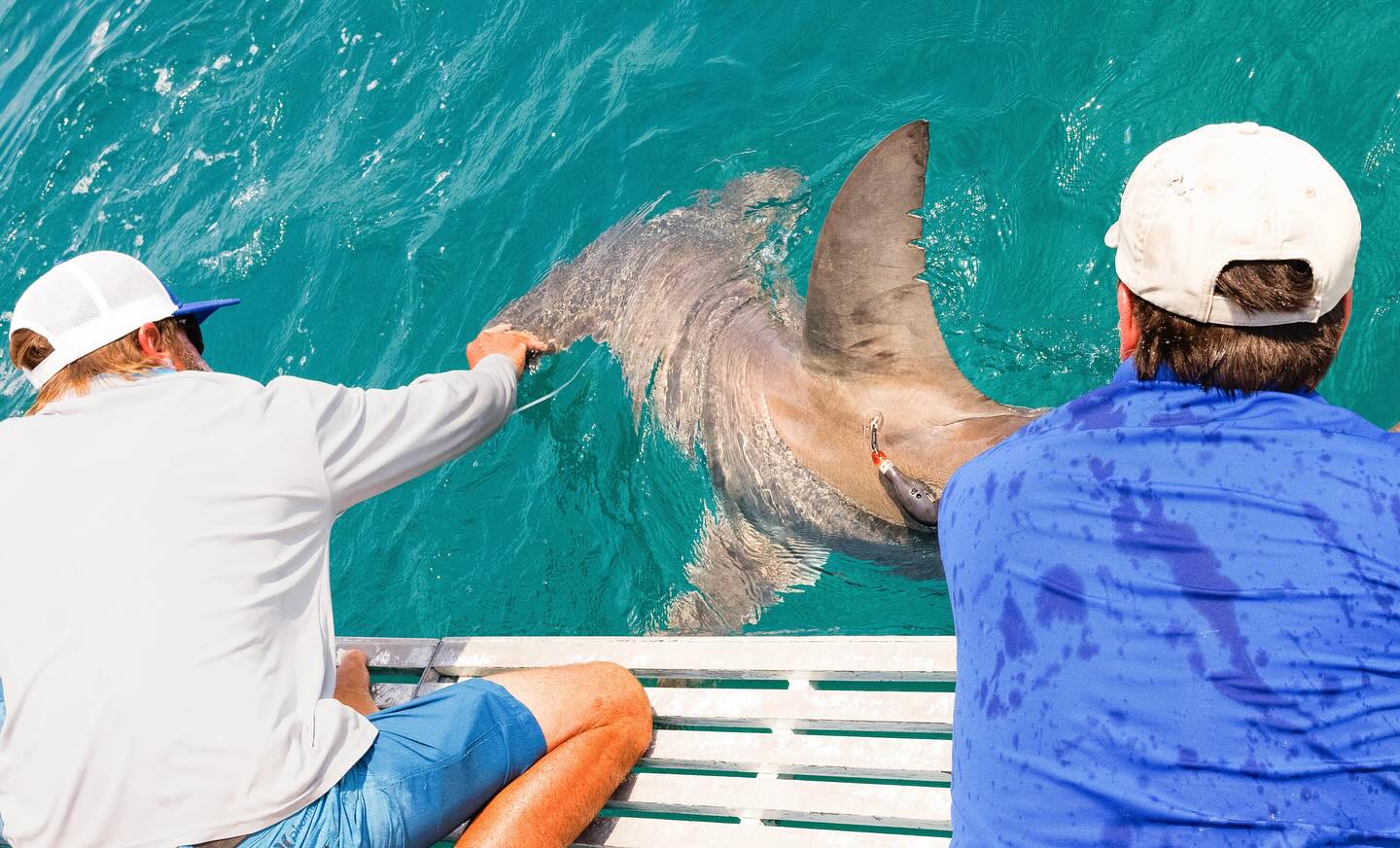
- The importance of sharks in marine ecosystems and their ecological role.
- Overview of Mote Marine Laboratory’s Center for Shark Research and its initiatives.
- Dr. Demian Chapman’s contributions and insights on shark conservation.
- Details about the upcoming Mote-ivational Science Lecture and community engagement.
- Future plans for Mote as a center for education and conservation in the Venice and Sarasota areas.
Sharks play a critical role in marine ecosystems, acting as apex predators that maintain the stability of ocean environments. These remarkable fishes help regulate the populations of various species, ensuring healthy coral reefs and balanced ecosystems. Their influence extends beyond their immediate habitats; by controlling prey populations, sharks contribute to the overall health of oceans. Without sharks, the delicate balance of marine life could be disrupted, leading to consequences for biodiversity and ecosystem function.
Mote Marine Laboratory’s Center for Shark Research focuses on promoting understanding and conservation of sharks. Established in 1989, this center is recognized internationally for its research efforts. Scientists at Mote are not only investigating shark biology and ecology but also examining the human impact on these species. Their studies range from examining shark populations to the effectiveness of conservation strategies. By focusing on data-driven initiatives, Mote aims to address the critical threats facing these fish.
Dr. Demian Chapman, the director of Mote’s Center for Shark Research, brings a wealth of knowledge and expertise to the study of sharks. With a Ph.D. in marine biology, he is recognized for his research on shark behavior, ecology, and genetics. Dr. Chapman is an advocate for sustainable management practices and underscores the need for public awareness regarding shark conservation. Through his work, he emphasizes that sharks are often misunderstood. Education is key to changing perceptions and fostering conservation efforts. In his presentations, Dr. Chapman highlights essential facts about shark biology, such as their reproduction, growth, and how they interact within their ecosystems.
One significant initiative that Mote Marine Laboratory has undertaken is the shark tagging program. This program tracks shark populations in local and regional waters and provides valuable data on their migratory patterns and behavior. By identifying key habitats and understanding these factors, scientists can inform policies aimed at protecting shark populations. Public participation in these programs also fosters a greater appreciation for marine life.
The Mote-ivational Science Lecture series is designed to enhance public understanding of scientific topics. Kicking off with Dr. Chapman’s lecture on November 10 at the Venice Community Center, this event provides an accessible platform for community members to learn about sharks and conservation efforts. Featuring light refreshments prior to the start of the lecture, the event promotes engagement with science in a relaxed setting. As part of the new expansion effort, this series is aimed at community members in Venice and South Sarasota County. By reaching out to these communities, Mote hopes to inspire a new generation of marine stewards.
This year’s Mote-ivational Science Lectures will continue at the new Mote Science Education Aquarium (Mote SEA) in January. Hosting events at this state-of-the-art facility will provide more opportunities for the public to interact with scientists and engage in discussions about conservation. The addition of a Zoom viewing option demonstrates Mote’s commitment to accessibility, allowing individuals who cannot physically attend to participate. All attendees are required to register, ensuring a well-organized event that prioritizes community involvement.
Shark conservation is vital not only for marine ecosystems but also for the health of the ocean, which impacts human life. As apex predators, sharks contribute to the wellbeing of marine environments that provide food, recreation, and economic resources for coastal communities. Sustainable fisheries, tourism, and ecosystem services all rely on the presence of healthy shark populations. Mote’s efforts are geared toward fostering a greater understanding of these connections, encouraging local communities to advocate for policies that protect these species.
Fisheries management is another critical area where Mote’s research plays a significant role. By collaborating with policymakers, Mote scientists contribute to developing sustainable practices that reduce bycatch and protect juvenile shark habitats. Their approach is informed by a comprehensive understanding of ecological data and a commitment to sharing insights with stakeholders. This collaboration between scientists, policymakers, and the community reflects a holistic approach to conservation.
Additionally, Mote’s educational programming targets a broad audience. Engaging educational materials and interactive exhibits encourage students and families to explore marine science. These efforts help demystify sharks and counteract negative stereotypes. Early education on the importance of sharks can foster a sense of responsibility towards conservation among youth.
Community outreach initiatives also play a crucial role in Mote’s strategy. Events like beach cleanups, educational workshops, and interactive marine science festivals mobilize local citizens to contribute to conservation efforts. By involving the community, Mote reinforces the idea that collective action leads to meaningful change. Environmental stewardship is not just the responsibility of scientists; it requires the involvement of citizens and stakeholders from various backgrounds.
The balance between human activity and shark conservation presents a challenging dilemma. Human activities such as overfishing, habitat loss, and pollution significantly threaten shark populations. Mote’s research seeks to inform effective management strategies that can accommodate both the needs of local communities and the preservation of marine resources. By aligning conservation goals with community interests, Mote aims to create sustainable solutions that benefit both people and wildlife.
As we prepare for Dr. Chapman’s upcoming lecture, attendees can expect to gain deeper insights into shark biology, their ecological significance, and the challenges they face. The event will explore how community members can actively participate in conservation efforts. This partnership between scientists and the public is essential for creating effective strategies to protect shark populations.
For those interested in marine life and conservation, attending the Mote-ivational Science Lecture series represents an opportunity to engage with experts. It provides a platform for dialogue and education that can lead to actionable steps towards sustainability. The knowledge shared at these lectures can inspire attendees to advocate for sharks, participate in local conservation initiatives, and spread awareness in their communities.
Looking ahead, the establishment of the Mote SEA will serve as a cornerstone for marine education and conservation efforts in the region. With the capacity to host various events, workshops, and lectures, it will become a focal point for scientific inquiry and community engagement. The integration of technology, including virtual access to lectures and programs, aligns with Mote’s mission to broaden participation in marine science.
Dr. Demian Chapman’s lecture and the ongoing efforts of the Mote Marine Laboratory highlight the vital need for shark conservation and public engagement. Education is critical for fostering a more profound understanding of these animals and the ecosystems they inhabit. By participating in lectures and supportive initiatives, community members can contribute to a collective responsibility for wildlife conservation.
The relationship between humans and marine ecosystems is intricate and requires awareness and action. Sharks serve as a reminder of the interconnectedness of life in the oceans. Understanding their role can lead to more informed decisions related to marine conservation and fisheries management. The upcoming events are more than just educational; they symbolize a commitment to protecting marine biodiversity for future generations.
Engagement in programs like the Mote-ivational Science Lecture series can serve as a catalyst for change. As knowledge expands, so too does the potential for unified action in conservation efforts. Mote’s initiatives in collaboration with community members can create a lasting impact on the environment, ensuring that sharks continue to thrive in our oceans.
Through collaboration, education, and outreach, Mote Marine Laboratory aims to uphold its commitment to marine conservation. By focusing on empowering individuals, fostering public understanding, and directly addressing the challenges faced by sharks, these efforts represent a comprehensive approach to wildlife conservation. The community’s involvement is critical for realizing the shared goal of a sustainable marine future, where sharks and other marine life can flourish. This aligns with Mote’s vision of bringing science to the public, creating knowledgeable advocates for the conservation of these fascinating creatures.
*****
Source Description
Next week, learn all about sharks and Mote’s efforts to conserve these remarkable fishes from the Director of Mote’s Center for Shark Research, Dr. Demian Chapman! 🦈🌟
The event kicks off this season’s Mote-ivational Science Lectures, which have expanded in both scope and size to include a new series serving the Venice and South Sarasota County communities.
Join us for Dr. Demian Chapman’s lecture Monday, November 10 at 6:00 PM at the Venice Community Center. Enjoy light complimentary refreshments starting at 5:00 PM!
🎟️ Reserve tickets — mote.org/lecture
This popular lecture series will return in January at the new Mote Science Education Aquarium (Mote SEA) for the very first time. Join us in Sarasota, Venice or Boca Grande to hear from Mote scientists firsthand! ✨ As an added feature of the Mote SEA lectures in Sarasota, a Zoom viewing option will also be available. Please note, registration is required for all attendees. ✨
