
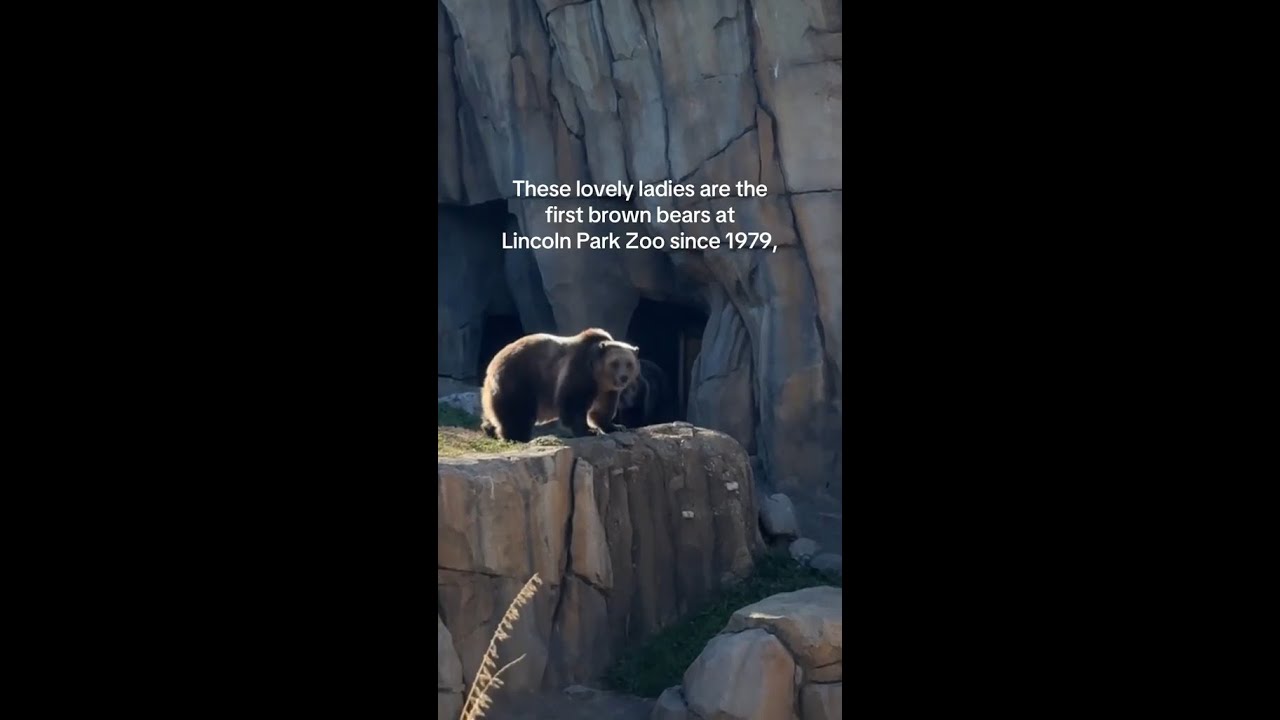
- Introduction to Ash and Lexi’s new habitat and its significance in the context of zoo management and wildlife conservation.
- Detailed exploration of the habitat design, focusing on features that mimic natural environments and support animal welfare.
- Discussion on the role of modern zoos in conservation efforts and public education, with Ash and Lexi’s habitat as a case study.
- Insights into the behavioral and biological needs of the species to which Ash and Lexi belong, highlighting how the habitat accommodates these needs.
- The impact of new habitats on animal health and behavioral enrichment, supported by scientific research and observed outcomes.
Ash and Lexi, inhabitants of their fresh and innovative enclosure, present a fascinating study in the broader perspective of zoological advancements. This new habitat not only symbolizes the height of modern zoo management but also stands as a testament to the progress achieved in wildlife conservation. As we delve into the specifics of this enclosure, it’s crucial to understand its implications on both their immediate environment and the larger field of wildlife preservation.
First, examining the design of Ash and Lexi’s habitat reveals an intricate blend of naturalistic elements obviously crafted to simulate their species’ native environment. This design facilitates a living space that fulfills their physical and mental requirements, integral for maintaining robust health. This involves using materials and architecture that replicate the textures and contours found in their natural habitats. By doing so, it provides stimulation that encourages natural behaviors, an essential aspect of quality animal care.
Key features include varied topography, water features, and vegetation that are more than mere decoration—they are essential components of an environment that motivates activity and exploration. These elements are essential in mimicking the natural challenges animals face in the wild, thus ensuring Ash and Lexi can engage in instinctual behaviors. Such habitats are not only advantageous for animal welfare but also serve to educate the public about the intricacies of these species’ lifestyles.
Zoos today play an indispensable role in global conservation efforts. They offer sanctuary for threatened species, a role embodied by the habitat shared by Ash and Lexi. This environment provides more than just a space for survival; it’s a platform for research and conservation initiatives aimed at understanding and preserving biodiversity. By housing species under threat in carefully designed habitats, zoos contribute to breeding programs and genetic diversity research, essential for species survival.
The species-specific needs of Ash and Lexi underscore a vital consideration in zoo management. Their habitat is curated to support their dietary, social, and tactile requirements. This careful consideration ensures the animals not only survive but thrive. For example, dietary needs are addressed with feeding stations that mimic natural foraging, fostering instinctive behaviors and promoting mental engagement.
Enrichment is another critical aspect facilitated by their habitat’s design. With spaces that promote climbing, hiding, and exploration, Ash and Lexi are encouraged to exhibit a wide range of natural behaviors. Such enrichment is crucial for mental health, reducing stress and preventing stereotypic behaviors that can manifest in less stimulating environments.
The positive impact of these modern habitats extends beyond individual animal health. Scientific studies have demonstrated marked improvements in physical health and psychological well-being when animals engage with their environment in meaningful ways. This translates into prolonged lifespans and enhanced reproductive success, contributing effectively to conservation goals.
Public engagement is another significant benefit of sophisticated habitats like the one for Ash and Lexi. Such environments act as interactive educational tools, showcasing the complexity and beauty of wildlife. This engagement is invaluable, fostering greater public awareness and support for conservation initiatives. Visitors leave with a deeper appreciation and understanding, which often translates into advocacy and support for conservation projects.
In summary, the journey of Ash and Lexi exploring their new habitat is far more than an introduction to a new home. It’s a glimpse into the future of zoos as pivotal players in the conservation landscape. By prioritizing authentic habitat design and comprehensive animal care, zoos create environments where animals not only live but thrive, all while educating the public and advancing scientific understanding. This holistic approach shines a light on the possibilities for improved coexistence and preservation of our planet’s rich biodiversity.
*****
Source Description
