
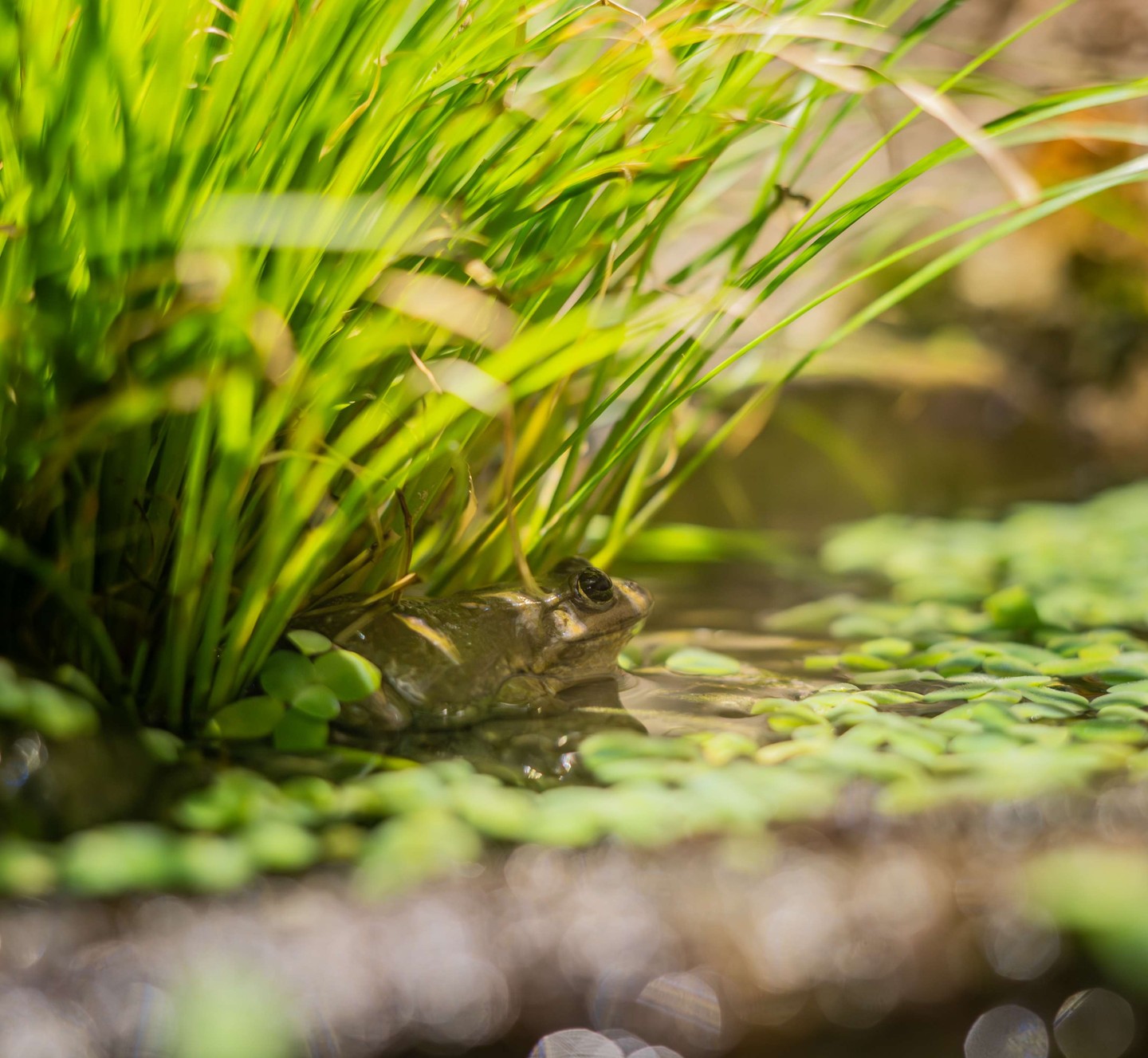
- Explore the lesser-known aquatic species at the aquarium and their significance.
- Learn about the endangered Columbia Spotted Frog and its habitat in Utah.
- Discover the importance of the Brine Shrimp and its ecological role.
- Understand the conservation efforts for both frogs and shrimps.
- Get tips on how to enjoy and appreciate these hidden gems at the aquarium.
Aquariums often showcase popular exhibits featuring large marine mammals, vibrant coral reefs, and colorful fish. However, many of these establishments also house a treasure trove of lesser-known species, each with its own importance and charm. By exploring these hidden gems, visitors can deepen their understanding of aquatic ecosystems and the creatures that inhabit them.
One such gem is the Columbia Spotted Frog, an amphibian native to Utah and classified as endangered. This species thrives in wetland environments where tall grasses and aquatic plants provide cover. The decline in their populations can be attributed to habitat loss, climate change, and pollution. These frogs play a vital role in their ecosystems, acting as both predators and prey. By maintaining their populations in the wild, we ensure a healthier environment for various species, including those that rely on them for survival.
As you navigate through the aquarium, pay close attention to the habitats mimicking wetlands. The Columbia Spotted Frog is often well-camouflaged, resting among the tall grasses. This frog prefers shallow water bodies and can often be heard during the breeding season, offering a unique call that signifies their presence. Conservationists are working tirelessly to protect these habitats through various initiatives, including the restoration of wetlands and the reduction of pollution in water sources.
Across from the Columbia Spotted Frog exhibit, you may come across the Brine Shrimp. These tiny crustaceans, often invisible to the naked eye, possess remarkable qualities that make them crucial to their ecosystems. Found primarily in saltwater lakes, such as the Great Salt Lake in Utah, these shrimp serve as a nutritional powerhouse for fish and migratory birds.
Brine shrimp are known for their resistance to extreme conditions, including high salinity and fluctuating temperatures. Their life cycle is fascinating; they can produce dormant eggs that withstand desiccation, allowing them to survive harsh environments. Their resilience makes them essential components of their ecological niche. Additionally, they are harvested commercially for use as fish food in aquaculture. This economically significant role highlights the importance of maintaining their populations in natural habitats.
You might wonder how best to appreciate these hidden gems at the aquarium. First, take your time observing the exhibits. Many smaller species require patience to spot, as they often blend into their surroundings. Use the informational panels near each habitat to learn more about their behaviors and characteristics. Engaging with staff members can also provide insights and enhance your understanding of these species.
You should also participate in any educational programs or talks offered by the aquarium. These sessions often dive into the importance of conservation efforts for species like the Columbia Spotted Frog and Brine Shrimp. Understanding the challenges these creatures face can inspire more informed actions, both personally and within the community.
Collaboration between aquariums and conservation organizations plays an essential role in protecting species like the Columbia Spotted Frog. Zoos and aquariums often work together on breeding programs, habitat restoration projects, and community outreach initiatives. Raising awareness about endangered species is crucial for garnering public support. This collective effort not only benefits the endangered species but also educates future generations about preserving their environments.
Addressing the environmental issues affecting these species often involves multiple strategies, from restoring natural habitats to implementing sustainable practices in local communities. For instance, wetlands serve as filters for pollutants; maintaining these ecosystems can significantly enhance water quality. Engaging with local wildlife agencies can help foster a greater appreciation for the intricate relationships that exist within aquatic systems.
Through educational exhibits and interactive learning opportunities, aquariums can better inform the public about the challenges faced by both the Columbia Spotted Frog and the Brine Shrimp. Advocating for the protection of these species promotes a culture of stewardship, encouraging visitors to take proactive steps towards conservation efforts in their respective communities.
By focusing on the smaller, often overlooked species, aquariums effectively convey the message that each creature contributes uniquely to its environment. While they may not capture headlines like their larger counterparts, every species carries its weight in the balance of life.
Aquariums serve as both educational resources and platforms for advocacy. By providing visitors with a comprehensive understanding of the interdependence found in aquatic ecosystems, they inspire a sense of responsibility. Fostering connections between people and their environment can lead to more robust conservation outcomes.
If you’re planning a visit, make it a point to include the lesser-known species in your itinerary. Take photographs, jot down notes, and ask questions. Each visit can yield new discoveries and deeper awareness of the world around us.
Furthermore, participating in community clean-up days or habitat restoration projects can give you hands-on experiences in conservation. Many aquariums host such events, allowing individuals and families to contribute directly to the well-being of local ecosystems.
The importance of preserving sensitive species such as the Columbia Spotted Frog is not just about the species itself but also about the entire community of organisms that rely on healthy habitats. By protecting these frogs, we safeguard a host of other species, creating a more resilient and diverse environment.
Brine Shrimp deserve attention as well, given their ecological and economic significance. Their presence in local diets, both for wildlife and in aquaculture, makes them a critical component of food webs. Promoting sustainable practices ensures that these shrimp remain abundant, benefiting the entire ecosystem.
Engagement in activities focusing on these hidden gems will enhance the visitor experience and cultivate an appreciation for biodiversity. Exploring these lesser-known species at the aquarium can change how we view our natural environment, leading to more responsible actions in our personal and communal lives.
In the end, expanding our knowledge and understanding of aquatic ecosystems teaches us the importance of protecting even the smallest residents. By prioritizing conservation, we can contribute to healthier ecosystems, ensuring that future generations can also experience the beauty and wonder of creatures like the Columbia Spotted Frog and the Brine Shrimp.
*****
Source Description
Think you’ve seen it all at the Aquarium? Think again! We’re here to give you some recs on a few hidden gems for you to check out. 👀
At the end of Discover Utah, you’ll find some special residents that like to hide among the tall grass in their habitat… the Columbia Spotted Frogs! An endangered species found right here in Utah!🐸
And just across the way, you’ll spot the Brine Shrimp, tiny but mighty!🦐
