
- The art and history of Bonsai cultivation
- Various species and their characteristics
- Care and maintenance practices for Bonsai trees
- The environmental significance of Bonsai and its conservation implications
- The intersection of art and nature in Bonsai creation
Bonsai is an ancient practice that marries artistry with horticulture, resulting in captivating miniature trees that reflect the grandeur of their larger counterparts. Understanding the art and history of Bonsai cultivation provides an appreciation for the dedication and skill involved in creating these delightful living pieces. The practice has roots tracing back to China over a thousand years ago, before it was refined and popularized in Japan. This journey through time has shaped the art, instilling traditional techniques as well as contemporary interpretations that continue to inspire enthusiasts today. Bonsai trees, often resembling aged forest giants, evoke tranquility and connection with nature.
Numerous species contribute to the incredible diversity found in Bonsai cultivation. While popular choices include Ficus, Juniper, and Pine, a myriad of trees such as Maples and Elms also lend themselves to this artistic endeavor. Each species brings its own inherent qualities, showcasing a variety of leaf shapes, colors, and growth patterns. For instance, the Ficus can endure climatic variations, making it ideal for indoor Bonsai setups; whereas the Juniper thrives in outdoor conditions, displaying resilience and adaptability. Understanding the characteristics of different species informs choices regarding their cultivation. It also helps caretakers foster optimal growth and development.
Caring for Bonsai trees requires consistent attention and knowledge. Regular pruning is essential for maintaining their miniature stature and encouraging new growth. A well-timed pruning session can enhance the tree’s overall shape, ensuring balance and aesthetic appeal. Fertilization is equally vital, as Bonsai trees grow in limited medium and require nutrient replenishment throughout the growing season. Most Bonsai enthusiasts recommend organic fertilizers, which supply essential nutrients without the risk of chemical buildup. Watering practices also play a crucial role; the art lies in finding the right balance. Too much water can lead to root rot, while too little can stunt growth. Soil type is another factor; well-draining soil supports healthy root development while preventing water retention. This mix of techniques requires a keen understanding and practical experience to achieve the best results.
The environmental significance of Bonsai extends beyond aesthetics. These tiny trees provide several ecological benefits. Much like their larger relatives, Bonsai trees contribute to air purification by absorbing carbon dioxide and releasing oxygen. They also serve as miniature habitats, supporting small insects and microorganisms. For those engaged in conservation efforts, cultivating Bonsai can inspire a greater appreciation for trees and, by extension, a desire to preserve natural ecosystems. Bonsai represents both artistry and environmental stewardship, drawing enthusiasts toward more sustainable practices.
The intersection of art and nature in Bonsai creation is evident through its presentation. Bonsai is not simply about creating a miniature version of a tree. It embodies a philosophy that encourages mindfulness and reflection. Each Bonsai tree tells a story, often capturing scenes of harmony between nature and human intervention. When individuals tend to these trees, they engage in a practice that fosters patience and connection with the environment. Exhibitions and competitions further celebrate this branch of horticulture, showcasing the beauty and diversity of Bonsai creations. The community surrounding Bonsai culture, characterized by sharing techniques, experiences, and knowledge, enhances the joy of cultivation and appreciation for this delicate art form.
Bonsai continues to captivate people around the world. Its cultural significance and ecological implications highlight the depth of understanding and appreciation that comes from this form of horticultural artistry. Each tree nurtured with care reflects not only the artist’s skill but also a larger commitment to the preservation of nature and its myriad complexities. Through Bonsai, individuals find an avenue for expressing creativity while participating in conservation as part of a global community connected by nature.
As this week’s focus on beautiful Bonsai draws attention, special thanks to @sweetheartbooksandart for illuminating the intricate details and personality these trees embody. Her dedication to capturing the essence of Bonsai gives viewers valuable insights into their beauty and significance. The world of Bonsai encourages ongoing engagement with the environment and understanding of our role in nurturing the natural world. Each tree, with its unique artistry and character, serves as a reminder of the beauty of nature and the responsibility we share in preserving it.
*****
Source Description
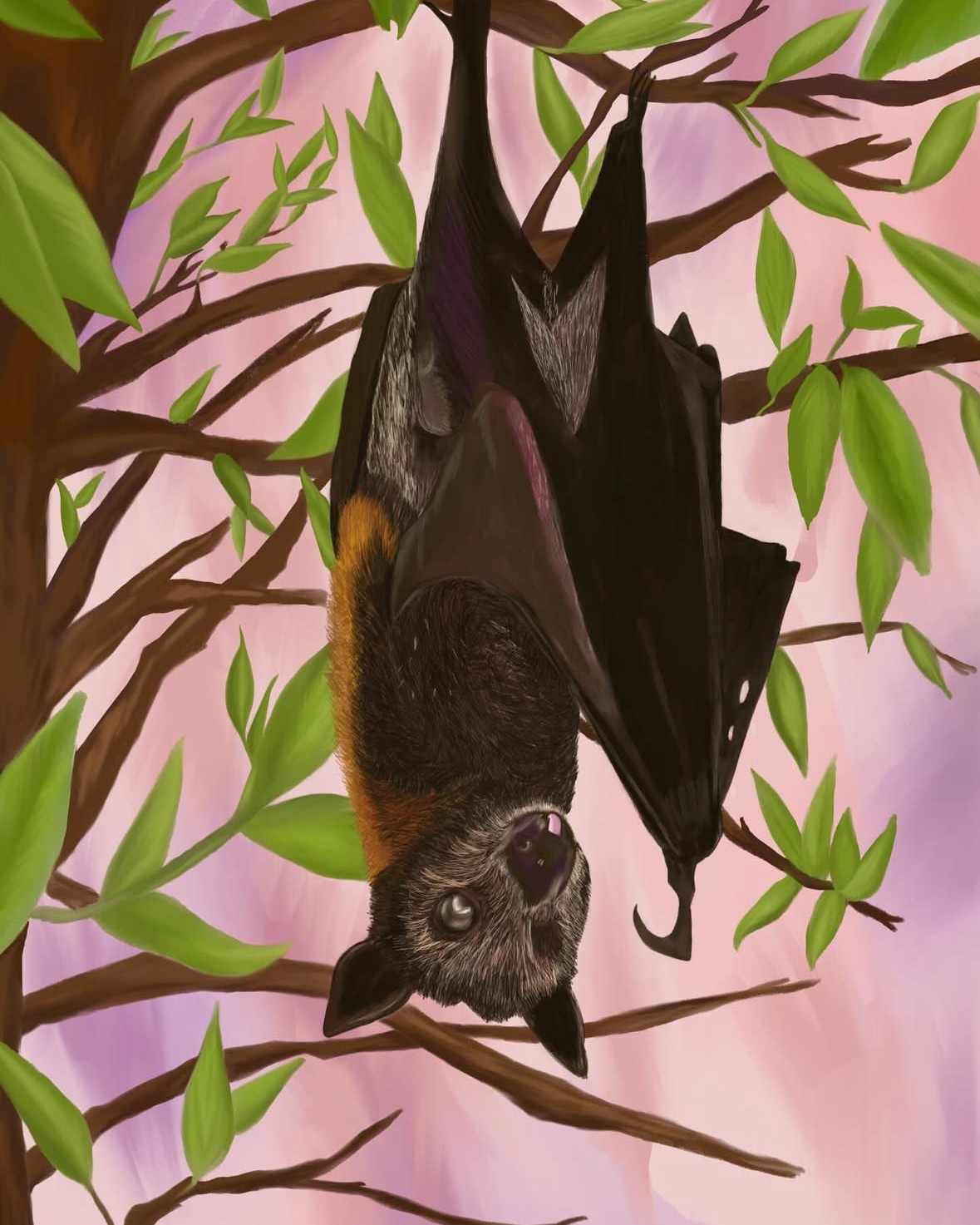
Check out beautiful Bonsai in this week’s Thank you to @sweetheartbooksandart for taking the time to capture her gorgeous details and personality. 🦇🎨
