
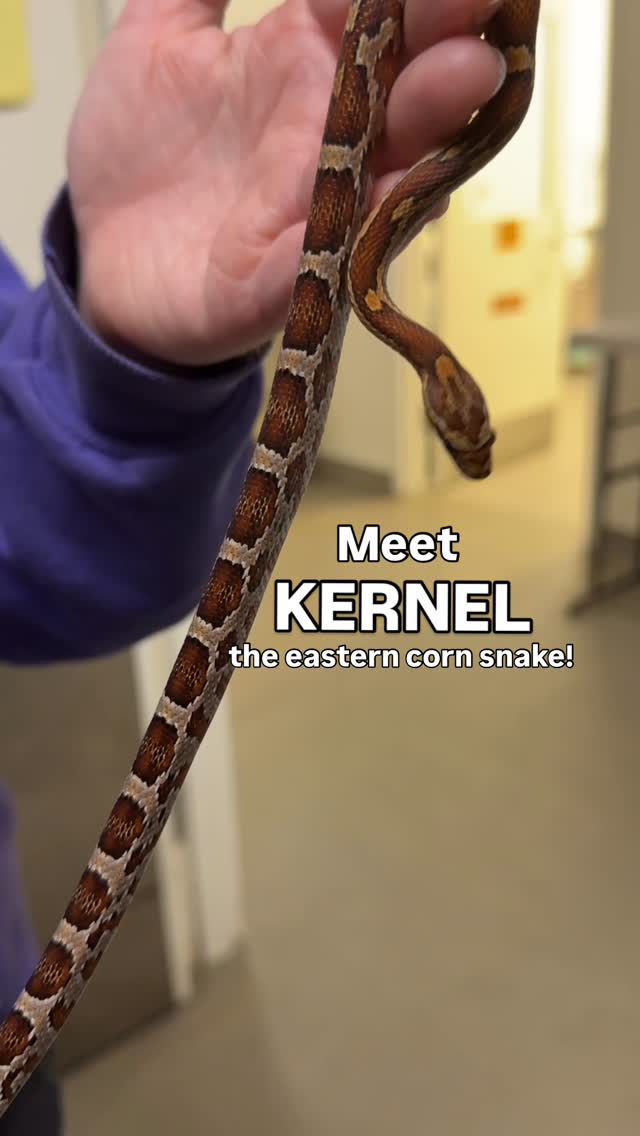
- Overview of the Kernel Snake and Its Habitat
- Key Characteristics and Behavior
- Importance of Non-Venomous Snakes in the Ecosystem
- Conservation Efforts for Native Snake Species
- Community Involvement in Wildlife Education
The Kernel Snake, a fascinating non-venomous reptile, finds its home in the lush landscapes of the Carolinas. Its distinguishing features and behaviors are captivating to those interested in wildlife. Although often overshadowed by other reptilian neighbors, this snake plays a vital role in maintaining ecological balance. Engaging with community events, such as the Durham Community Day, can deepen our understanding of this remarkable species and others found in the region.
The environment housing Kernel Snakes is as crucial to their survival as the snakes themselves. Typically inhabiting forests, grasslands, and wetlands, they thrive in areas abundant in food and cover. The Carolinas offer a diverse range of ecosystems, from coastal plains to Appalachian foothills, promoting a rich variety of species. Understanding the Kernel Snake’s habitat can elucidate why they thrive in these areas and how changes in the ecosystem affect their populations.
Key characteristics of the Kernel Snake include its distinct coloration and physical size. Generally, they present a sleek body, complemented by intricate patterns that provide effective camouflage in their natural surroundings. These snakes can range in coloration from pale browns to deep blacks, often featuring darker bands. Adult specimens typically measure between 25 to 50 inches in length, making them relatively small when compared to other native snakes. Their non-venomous nature allows them to coexist alongside various wildlife, engaging in behaviors that emphasize their role as predators as well as prey.
Kernel Snakes exhibit unique hunting techniques, primarily feeding on rodents and small amphibians. They utilize a methodical approach to ambush their prey, often waiting in motionless silence before striking. This behavior underscores their essential part in controlling small mammal populations, which can pose a threat to local vegetation if left unchecked. Their diet and hunting strategies highlight the interconnected relationships within the ecosystem that contribute to biodiversity.
The significance of non-venomous snakes like the Kernel Snake cannot be overstated. They serve as indicators of ecosystem health, and their presence suggests a stable environment. These snakes help control pest populations, which in turn affects plant health. By consuming rodents and insects, they prevent overpopulation and support the overall biodiversity of their habitats. Some people, however, may harbor misconceptions about snakes, often fearing them more than understanding their importance. Educational initiatives focused on promoting awareness can foster appreciation for these reptiles, emphasizing the need for protection.
Within the context of conservation, various organizations and local governments are working towards preserving habitats suitable for Kernel Snakes and other native species. Habitat destruction due to urban development and agriculture poses a significant threat. Conservation efforts often involve habitat restoration and public education about the ecological roles of these snakes. Initiatives such as pollution control, responsible land use, and reforestation play vital roles in providing stable environments for the Kernel Snake and its counterparts.
Community involvement is crucial in wildlife education and conservation. Events like Durham Community Day not only offer free admission to local residents but also serve as platforms to educate the public about the significance of wildlife in their area. Workshops, guided tours, and interactive exhibits encourage a deeper understanding of the Kernel Snake and its natural habitat. Engaging with nature helps foster a sense of stewardship within communities, empowering them to take action towards conservation efforts.
Additionally, educational programs can break down misconceptions surrounding reptiles. Understanding how to identify non-venomous snakes helps dispel fear, allowing individuals to appreciate their role. The objective is to promote a safe coexistence with these creatures, encouraging responsible behaviors, such as not killing or harming snakes when encountered in the wild. This educational approach cultivates respect for Wildlife, while also teaching essential practices for preserving habitats.
In summary, the Kernel Snake stands out as not just another species of the Carolina’s rich reptilian community but as a vital contributor to the local ecosystem. Recognition of its characteristics, natural behaviors, and crucial role within its habitat is essential for fostering appreciation and understanding. Active involvement in conservation efforts, bolstered by community education, can pave the way for a healthier and more diverse natural environment.
By emphasizing the significance of the Kernel Snake and the conservation initiatives surrounding it, communities can play an active role in preserving their natural heritage. Educational outreach, like that offered during special events, allows individuals to connect with their local wildlife, bridging the gap between nature and society. Through this connection, the importance of respecting and conserving our native wildlife becomes an inherent value within the community.
*****
Source Description
Not to be corny, but we think Kernel ssssssuper cool!
Discover more about this non-venomous native snake (and many others) in Carolina Wildlife. Open all weekend, 10 am – 5 pm. Museum members get in at 9 am!
Today, April 10, is a Durham Community Day so Durham County residents get in FREE with current proof of residence. Learn more about DCDs at the 🔗 in our bio.
