
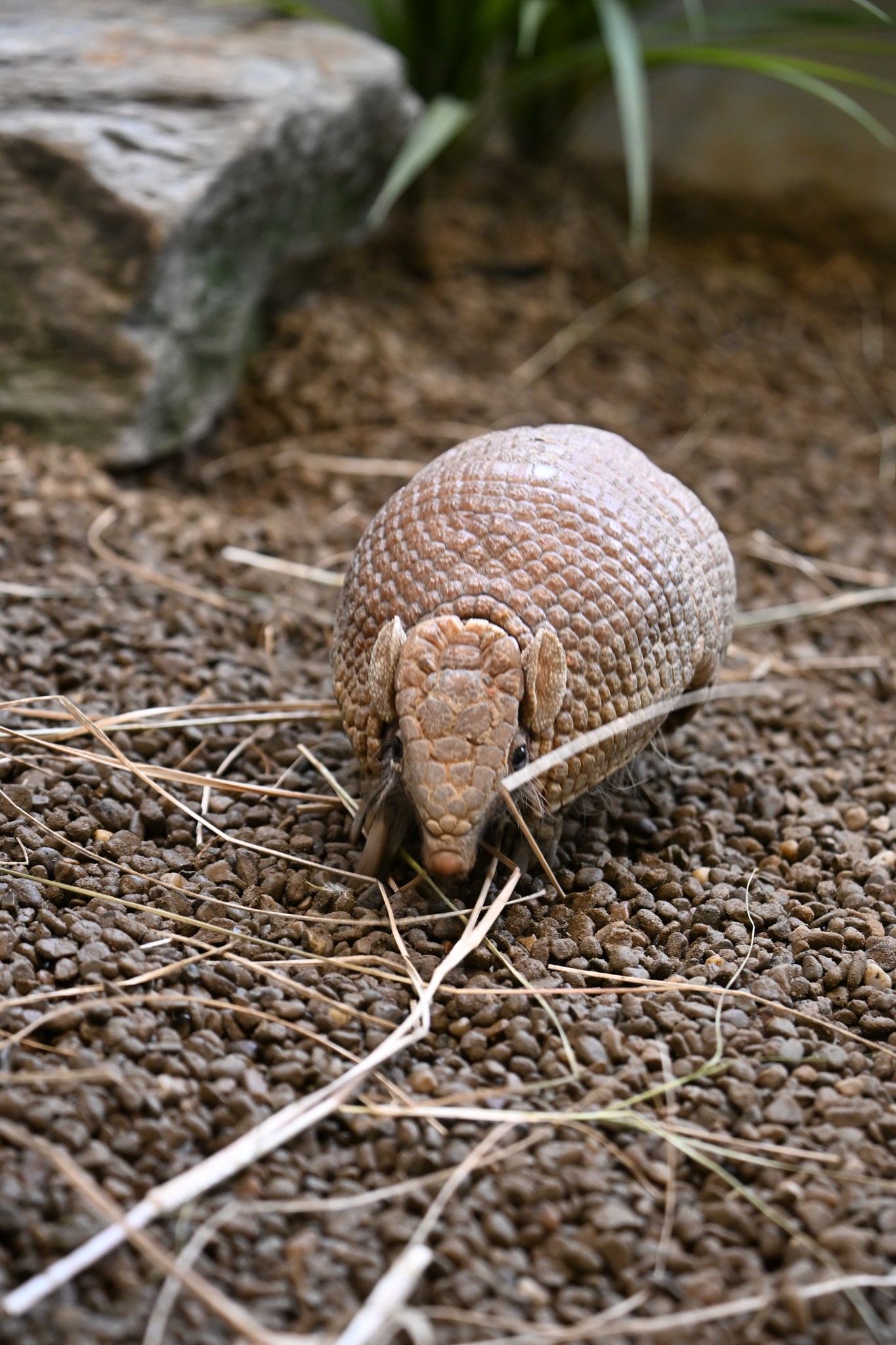
- Southern Three-banded Armadillo: Characteristics and Habitat
- Conservation Status and Threats Faced by Armadillos
- Zoo Management Practices for Southern Three-banded Armadillos
- Educational Programs at the National Aviary
- Visitor Information and Special Announcement
The Southern Three-banded Armadillo, scientifically known as Tolypeutes matacus, is a fascinating mammal native to the grasslands and savannas of South America. This small armadillo is unique not only in its three bands, which provide it with a distinctive appearance, but also in its behavior. When threatened, it can curl up into a tight ball, effectively shielded from predators. This biological adaptation is crucial for its survival.
This armadillo species primarily resides in areas like Brazil, Paraguay, and Argentina, making its home in dry woods and scrubland. Here, the armadillos burrow into the ground to create homes, which serve as both shelters and breeding sites. Unfortunately, loss of habitat and human encroachment have significantly impacted their population, making it essential to understand the conservation status and threats they currently face.
The Southern Three-banded Armadillo is classified as vulnerable by the International Union for Conservation of Nature (IUCN). This classification speaks to the increasing pressures from habitat loss, primarily due to agriculture and urban development. Additionally, they are often hunted for their meat and shells, contributing further to their decline. Understanding these factors is crucial for developing effective conservation strategies aimed at protecting this remarkable creature.
Zoo management practices play a significant role in the survival of vulnerable species like the Southern Three-banded Armadillo. Responsible zoological institutions implement strict breeding programs designed to maintain genetic diversity and mitigate inbreeding, which can be detrimental to smaller populations. In many cases, facilities provide spacious and enriched habitats, ensuring that these animals can exhibit natural behaviors. By prioritizing education and conservation, zoos help individuals gain a deeper appreciation for wildlife, fostering a connection that can lead to proactive conservation efforts.
Programs at educational institutions like the National Aviary aim to increase awareness about the Southern Three-banded Armadillo and other wildlife. Through interactive exhibits, lectures, and special events, visitors have the opportunity to learn about conservation efforts and the importance of ecological balance. The emphasis on education serves as a catalyst for inspiring future generations to engage in wildlife conservation, ensuring a focus on preservation and protection.
In light of that, specific remembrance must also be made regarding visitor access to these educational spaces. The National Aviary will be closed on Thursday, April 23, and Friday, April 24. However, it will resume normal operations on Saturday, April 25, welcoming visitors from 10 a.m. to 5 p.m. EST, and again on Sunday, April 26. This temporary closure reflects an ongoing commitment to providing a quality experience while adhering to safety measures.
Educational institutions like the National Aviary play an integral role in wildlife conservation. Their efforts to create awareness about species like the Southern Three-banded Armadillo are crucial. Every visitor contributes to the mission of protecting and preserving wildlife. Engaging with educational programs fosters an appreciation that can lead to action, ensuring that species at risk have a fighting chance for survival.
As a symbol of both resilience and vulnerability, the Southern Three-banded Armadillo epitomizes the challenges faced by wildlife in today’s world. The balance between human activity and wildlife preservation is delicate. Conservationists and zoologists must work together, implementing effective strategies that benefit both people and wildlife. Protecting habitats, raising awareness, and facilitating education will ultimately ensure that future generations can witness this unique species in its natural environment.
In understanding the Southern Three-banded Armadillo, it becomes clear that preservation is not just an environmental issue; it is a societal responsibility. By investing time and resources into conservation and education, we lay the groundwork for a sustainable future. The urgency of addressing habitat loss and hunting pressures is immediate and must be a core focus moving forward.
Community involvement is vital. By collaborating with local organizations, educational institutions can amplify their conservation messages. It is imperative for citizens to advocate for policies that protect habitats and prevent illegal hunting. Moreover, educating children about wildlife at a young age encourages stewardship and responsibility towards nature.
While observing the Southern Three-banded Armadillo in a managed environment, one can appreciate its striking adaptation. Its ability to curl up into a ball is an ingenious defense mechanism, illustrating nature’s problem-solving capabilities. This small act of curling not only serves to protect the armadillo from dangers but also reminds us of the fragile interconnections within ecosystems.
Understanding the Southern Three-banded Armadillo’s habitat can also shed light on broader ecological patterns. Grasslands serve as critical ecosystems that support various species of flora and fauna. The decline in these habitats due to agricultural practices and urbanization directly impacts the armadillo populations. By protecting these ecosystems, we create a refuge for not only armadillos but countless other species reliant on these habitats.
In areas where the Southern Three-banded Armadillo is found, community-led conservation initiatives can be effective. Such initiatives often engage local residents, empowering them to play an active role in wildlife protection. By fostering a connection to local wildlife, communities can become advocates for sustainable practices, ensuring that both wildlife and human needs can coexist.
Zoo management also focuses on developing breeding programs to encourage the reproduction of Southern Three-banded Armadillos. These programs monitor health standards, genetic diversity, and establish partnerships with other facilities, enhancing the overall conservation efforts of this species. Establishing a genetic bank can help rejuvenate wild populations if necessary.
Efforts to rehabilitate and reintroduce Southern Three-banded Armadillos back into suitable habitats have shown potential. However, success relies heavily on habitat management, including monitoring populations and ensuring that areas are free from poaching or habitat destruction. This multi-faceted approach highlights the importance of collaboration among conservationists, government agencies, and communities.
At the National Aviary, special events throughout the year enhance engagement with visitors concerning wildlife education. These programs typically include guest speakers, hands-on workshops, and interactive displays that inform the public about the Southern Three-banded Armadillo and its conservation status. Having an engaging ethos around conservation creates a sense of urgency and importance.
With the National Aviary approaching two significant closed days, visitors are encouraged to plan ahead for their upcoming visit. This ensures opportunities to interact with exhibits showcasing animals like the Southern Three-banded Armadillo and learn about ongoing conservation efforts. The educational value paired with hands-on experiences creates a more profound understanding of wildlife needs.
The Southern Three-banded Armadillo stands as a testament to the intricate ties between wildlife and human activity. It encapsulates the broader narrative of survival against mounting challenges. Every individual has a role in biodiversity conservation, whether that involves community approaches to habitat protection or advocating for stronger laws against poaching.
Throughout all activities, from observing the armadillo’s unique behavior to understanding habitat needs, individuals gain valuable insights. Each visit becomes more than just entertainment; it transforms into a platform for education and advocacy. Educational institutions must embody that spirit, driving home the importance of wildlife conservation.
To foster a richer understanding of this species and its surroundings, initiatives should focus on comprehensive education. Engaging the public, especially younger generations, creates a ripple effect that can influence a broader cultural shift toward conservation. The Southern Three-banded Armadillo, in its vulnerability, has taught us invaluable lessons about resilience.
As the National Aviary prepares to reopen its doors after a brief closure, it signifies more than just a return to normal operations. It represents a renewed commitment to engaging with the community about wildlife conservation. By spotlighting species like the Southern Three-banded Armadillo, conservation efforts remain at the forefront of public consciousness.
Maintaining an emphasis on education, community involvement, and sustainable practices is not just beneficial; it is essential. A collective effort to protect wildlife will ensure that future generations can appreciate the extraordinary qualities of the Southern Three-banded Armadillo. Awareness begins with education but can expand into actions that lead to lasting change and a commitment to the preservation of natural habitats worldwide.
*****
Source Description
Hear us out…even though Willy is technically spelled with a “y” – we are spelling it with an “ie” until further notice (aka through April 25). “Y”… you might ask?
Well, much like former @steelers running back Willie Parker dodging would-be tacklers, our Southern Three-banded Armadillo, Will(ie), is hard to stop – except instead of outrunning danger in the wild, Southern Three-banded Armadillos shut it down completely by curling into a ball predators can’t penetrate. 🏈✨
REMINDER: The National Aviary will be:
🔶 CLOSED Thurs., April 23
♦️ CLOSED Fri., April 24
🔷 OPEN 10 am – 5 pm EST Sat., April 25 and Sun., April 26
.
.
https://www.aviary.org/the-national-aviary-league/ @steelers_nation_unite
