
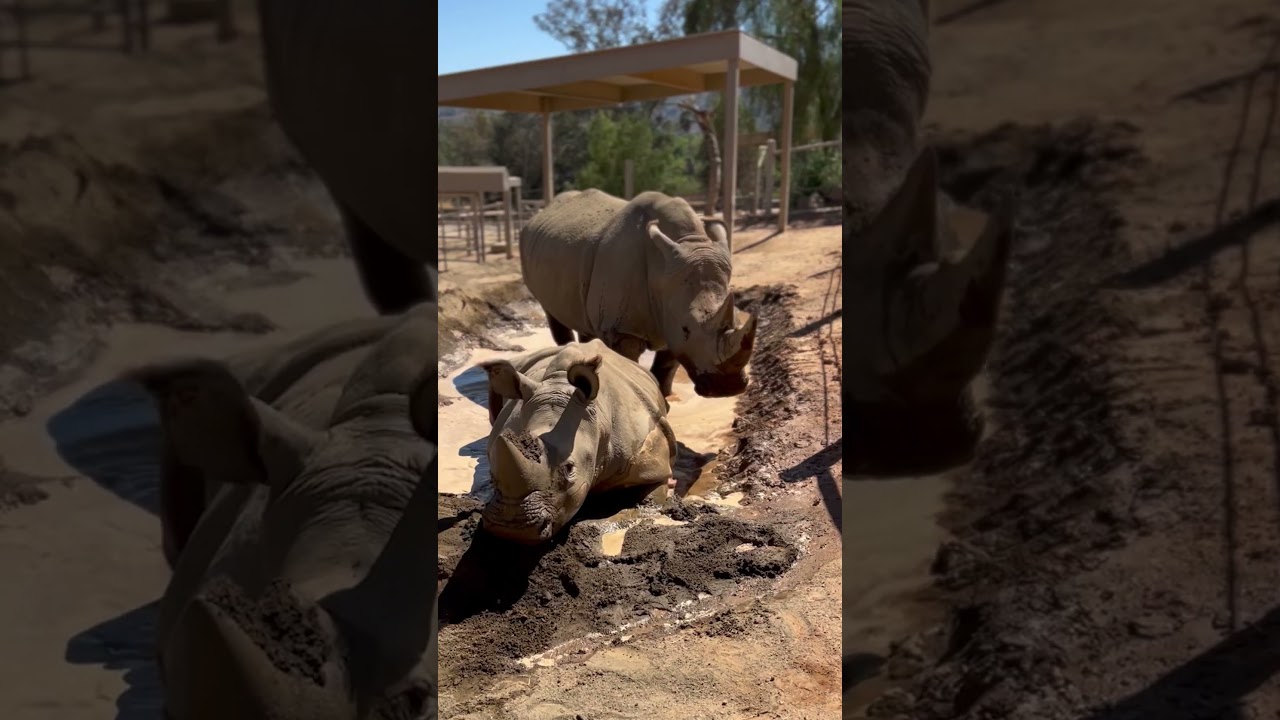
- Importance of Mud Wallows for Rhinos: Discuss why mud wallows are critical for rhino well-being, including physical and psychological benefits.
- Zoological Perspective on Mud Wallows: Explore how zoos incorporate mud wallows into enclosures and their role in simulating natural habitats.
- Conservation Implications: Analyze the role of mud wallows in the conservation of rhinos and their ecosystems.
- Behavioral Observations: Detail the behaviors exhibited by rhinos in mud wallows and what these behaviors tell us about their natural habits.
- Challenges and Solutions in Zoo Management: Address the challenges in providing mud wallows in managed care and the strategies to overcome them.
Mud wallows are an essential component of the habitats of many wildlife species, notably the rhinoceros. These muddy pools offer more than just a play space; they are vital for the health and survival of these majestic animals. For rhinos, the mud wallow is where it’s at. These natural features are more than simple puddles; they play a crucial role in maintaining both the physical and psychological well-being of these creatures.
Importance of Mud Wallows for Rhinos
Mud wallows are indispensable for rhinos. These massive animals, with their thick skin, depend on mud baths for multiple reasons. First, the mud provides a protective layer against parasites and insects. The sticky coat of dried mud acts as a barrier, deterring pests that would otherwise cause discomfort or disease.
Additionally, mud wallows serve as a natural sunscreen. Rhinos, often exposed to the harsh sun, can quickly suffer from skin damage. The mud, when smeared over their bodies, offers an effective shield against ultraviolet rays, safeguarding their sensitive skin.
Beyond physical protection, wallowing is crucial for thermoregulation. The mud helps rhinos cool down, especially during hot weather. As cold-blooded creatures, they rely on such external factors to maintain body temperature, emphasizing the mud wallow as where it’s at for their daily routine.
Mud wallows also provide psychological benefits. Wallowing is a social activity for rhinos, often done in groups. This behavior fosters social bonds and reduces stress levels, contributing to better overall mental health. In light of these benefits, it’s evident that mud wallows are integral to rhinos’ lives.
Zoological Perspective on Mud Wallows
In zoological settings, creating authentic mud wallows for rhinos presents unique challenges and opportunities. Zoos play a pivotal role in ensuring these animals experience environments that resonate with their natural habits. Designing effective mud wallows is a crucial part of habitat simulation.
Zoos incorporate mud wallows into rhino enclosures by studying their natural environments. The aim is to replicate the size, depth, and consistency of natural wallows to provide a similar experience. This requires understanding the local geology and hydrology of rhino habitats to accurately emulate these conditions in captivity.
Furthermore, zoos consider seasonal variations. In the wild, rain and other environmental factors naturally maintain mud wallows. Zoos, however, must artificially regulate these conditions, ensuring that wallows remain viable throughout the year. This involves using water management systems to mimic natural cycles, adjusting mud consistency and water levels as needed.
The presence of authentic wallows in zoos enhances educational experiences for visitors while offering rhinos the opportunity to engage in natural behaviors. Observing rhinos wallowing provides insights into their natural history, helping zoos educate the public about the importance of habitat conservation.
Conservation Implications
Mud wallows are integral not only to individual rhinos but also to broader conservation efforts. These sanctuaries are vital for the survival of national and endangered rhino populations. The significance of preserving and creating mud wallows in conservation areas can’t be understated.
Mud wallows often contribute to ecosystem health. They support a diverse array of organisms, from microscopic insects to amphibians and birds. This biodiversity strengthens ecosystems, ensuring that rhinos and other species thrive.
Furthermore, mud wallows serve as a focus for conservation strategies. By preserving these vital habitats, conservationists can develop targeted programs to support rhino populations. Protecting mud wallows from human encroachment, agricultural activities, and climate change is critical for maintaining viable rhino habitats.
Behavioral Observations
Studying rhinos in mud wallows provides profound insights into their behavioral ecology. Wallowing is a multifaceted activity that showcases a range of behaviors essential for survival and adaptation.
Rhinos use wallowing as a method of communication. By sharing and rolling in the same wallows, they transmit scents and markings that convey territory and reproductive status. This social aspect of wallowing makes it an essential behavior for maintaining the complex social structures of rhino populations.
Moreover, wallowing reflects instinctual behaviors linked to rhinos’ evolutionary history. These behaviors can inform researchers about their natural history and offer clues into their environmental preferences and needs.
Observations of rhinos in mud wallows can also serve conservationists. Behavioral studies can inform captive breeding programs by elucidating the conditions necessary for successful reproduction and species management.
Challenges and Solutions in Zoo Management
While the benefits of mud wallows are clear, their implementation in zoo settings presents challenges. Not all zoos have the resources or space to create large, naturalistic mud wallows. Restricted space can lead to inadequate wallow sizes, affecting rhinos’ ability to engage in natural behaviors.
Managing these challenges requires innovative solutions. Many zoos turn to landscape architects and wildlife specialists to design functional wallows that fit within limited spaces. This involves creative use of materials and design techniques to create environments that encourage natural behavior.
Another challenge is maintaining the quality of the wallow, ensuring it remains free from contamination and disease. Regular cleaning and water filtration systems help maintain the wallow’s hygiene, preventing the spread of pathogens.
Zoos also face the task of continuous staff training. Keeping personnel informed about the importance and maintenance of mud wallows is essential for their effective management. Educating zoo staff helps ensure that measures taken benefit both rhinos and the institution’s conservation goals.
Ultimately, prioritizing mud wallow development in zoological and conservation settings underscores our commitment to safeguarding not only the rhinos but their entire ecosystems. By recognizing that the mud wallow is where it’s at, we highlight a critical aspect of wildlife conservation, advocating for healthy habitats that support both the animals and the broader ecological balance.
*****
Source Description
Facebook – https://www.facebook.com/SanDiegoZoo/
Instagram – https://www.instagram.com/sandiegozoo/
Twitter – https://twitter.com/sandiegozoo
Giphy – https://giphy.com/sandiegozoo
TikTok – https://www.tiktok.com/@sandiegozoo
Twitch – https://www.twitch.tv/sandiegozoo
