
- Understanding the importance of health check-ups for children and their stuffed animals
- The role of the Midwestern University Teddy Bear Clinic in promoting health awareness
- Engaging activities for kids to learn about animal care
- The significance of promoting empathy and responsibility through play
- Insights into wildlife conservation and the connection to pet care
The Ted Bear Clinic serves as a wonderful opportunity to bridge the gap between veterinary science and childhood curiosity. This hands-on event encourages children to take a proactive role in caring for their stuffed friends, offering a lesson in responsibility and empathy. As children navigate the event, they will learn about the importance of regular health check-ups, not just for their stuffed toys but also for real pets. This lays the groundwork for understanding animal health and nutrition.
Typically, health check-ups play a crucial role in ensuring well-being, not only for humans but for all companion animals. Just as children need regular visits to their pediatricians, pets require routine examinations by veterinarians to monitor their health and catch any potential problems early. Children learn through interaction—by caring for their sick or injured toys, they practice critical skills such as grooming, administering pretend medications, and even comforting their stuffed animals. These simple actions instill a sense of attachment and responsibility in children, equipping them with knowledge they may later apply to real animals.
The Midwestern University Teddy Bear Clinic focuses on making learning engaging and fun. Through the participation of veterinary students, children get a firsthand look at how veterinarians diagnose and treat illnesses. This offers kids a unique experience that fosters an early interest in animal care and veterinary science. The veterinary students play a crucial role in guiding the children, imparting valuable lessons about pet health and safe practices in caring for animals.
Activities such as pretending to give medication, ensuring the teddy bear feels more comfortable, or even addressing “sniffles” help demystify the veterinary process. Children enjoy pretending to be veterinarians, using stethoscopes to listen to their furry friend’s heartbeat and learning how to check temperature using thermometers. Each activity enhances their understanding of health care while sparking curiosity about how they can care for real animals. This direct involvement provides an engaging learning environment, prompting children to ask questions and share experiences.
Promoting empathy is integral to the Teddy Bear Clinic initiative, as it encourages children to understand how their actions impact the well-being of others—even if it’s just a stuffed animal. By nurturing and caring for their teddy bears, children cultivate compassion, which transcends the event into their interactions with pets and other people in their lives. Empathy is a learned behavior that can lead to increased emotional intelligence as kids grow up. It becomes easier for them to connect with both pets and fellow humans.
While this clinic is focused on stuffed animals, the underlying message emphasizes the real-world implications of pet ownership. Teaching children about animal care within the framework of imaginative play creates a lasting awareness of the responsibilities that come with real pets. They learn the importance of regular feeding, exercise, and veterinary visits. This foundational knowledge can encourage them to advocate for proper treatment of animals and contribute positively to wildlife conservation efforts.
The Teddy Bear Clinic does more than just entertain; it opens a dialogue about wildlife conservation. Children gain insights into the critical importance of protecting wildlife environments. Teaching kids about local ecosystems and endangered species taps into their natural curiosity and wonder about nature. These conversations often inspire a commitment to protecting wildlife habitats and understanding the balance of ecosystems, making them more conscious citizens of the planet.
The event also addresses mental health, particularly the role of animals in providing comfort and companionship. Whether it’s a playdate with a stuffed animal or a genuine pet in the home, the bond formed is fundamental to childhood development. Animals offer unconditional love and companionship, encouraging children to express their emotions. By learning the importance of health for their cuddly friends, they may extend those sentiments to their pets—realizing that companionship also includes responsibility.
Additionally, the clinic exemplifies how community engagement can enrich learning experiences. In environments supported by local universities and organizations, children benefit from exposure to knowledgeable mentors. Veterinary students’ participation allows for real-life scenarios to enhance educational outcomes, making concepts more relatable for young minds. It’s an opportunity for students to practice their communication skills while imparting knowledge.
Moreover, attendees without a furry friend need not feel left out. Midwestern University-branded teddy bears will be available for children while supplies last. This inclusion ensures that every child can participate in the activities, fostering friendship, learning, and memories. These teddy bears can become welcome companions, representing the lessons learned and fostering ongoing empathy and responsibility.
The bear health certificates offered at the end of the clinic are a fun and tangible reminder of the day’s lessons. This simple gesture reinforces the idea that every “patient,” even cuddly toys, deserves care and attention. It provides a sense of achievement for kids, giving them something they can share with family and friends. The certificates symbolize the knowledge they gained, creating a bridge between play and real-world applications in pet care.
This insightful event not only promotes health awareness but also builds a strong foundation for future generations. By teaching children about animal welfare and conservation, they become advocates for both pets and wildlife. Encouraging young minds to think critically and compassionately about the environment can foster lifelong values.
In addition to direct benefits for children, the Teddy Bear Clinic ties into broader conservation initiatives. Wildlife conservation relies heavily on education and awareness. As children become informed about the significance of animal health, they may carry that awareness into adulthood. A generation that values animal welfare is more likely to advocate for wildlife preservation, protecting endangered species and their habitats in the future.
Through events like the Teddy Bear Clinic, we pave the way for a community that understands health, empathy, and responsibility. This initiative encourages active participation from families and educational institutions, highlighting the importance of collaboration in wildlife conservation. By inspiring children with a passion for animal care, we can develop a new wave of stewards who will advocate for the welfare of all creatures.
Attending the Midwestern University Teddy Bear Clinic combines fun, education, and vital lessons that resonate long after the day has ended. As children care for their “sniffling” friends, they step into the role of caregivers, embodying themes of empathy and responsibility that shape their future interactions with real pets and endangered species. Through this experience, they foster an appreciation for the delicate balance of ecosystems and the importance of conservation efforts.
As the event approaches, it promises to be a remarkable day filled with learning, connection, and joy for all who attend. It underscores how even the simplest activities can deliver profound lessons, enhancing the lives of children, their pets, and the wider community. Every stuffed animal that receives care at the clinic further represents an investment in nurturing responsible, caring future generations.
*****
Source Description
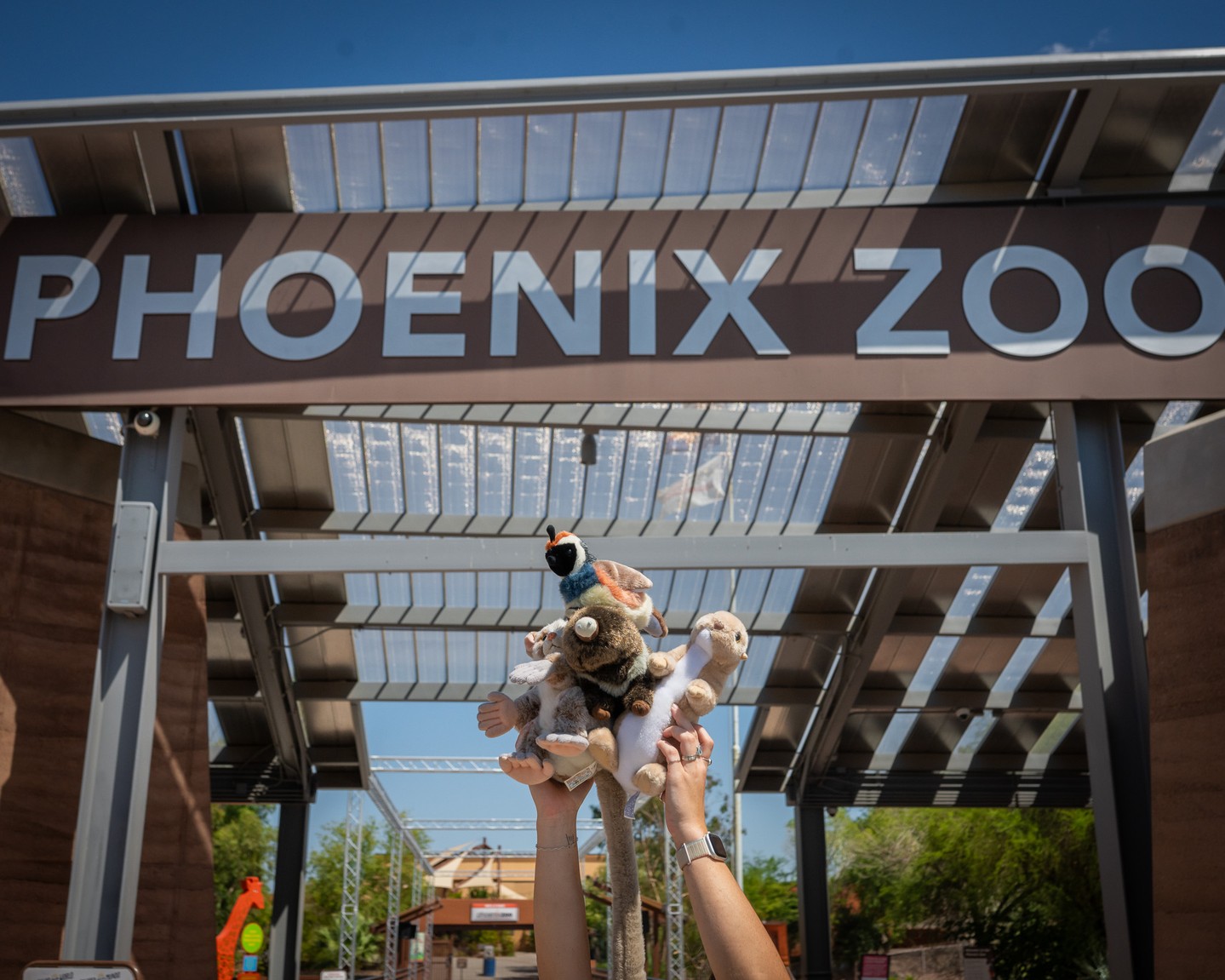
Does your Best Furry Friend have the case of the sniffles? 🤧🧸
Don’t worry, the doctors are here for @midwesternuniv Teddy Bear Clinic on Saturday, July 12! With the help of Midwestern students, kids can care for their BFF’s and even receive an official Teddy Bear Health Certificate.
Don’t have a furry friend? Midwestern University-branded teddy bears will be available for children who need one, while supplies last. The Teddy Bear Clinic is available with Zoo admission and membership.
For more information, visit the events tab in the link in our bio!
