
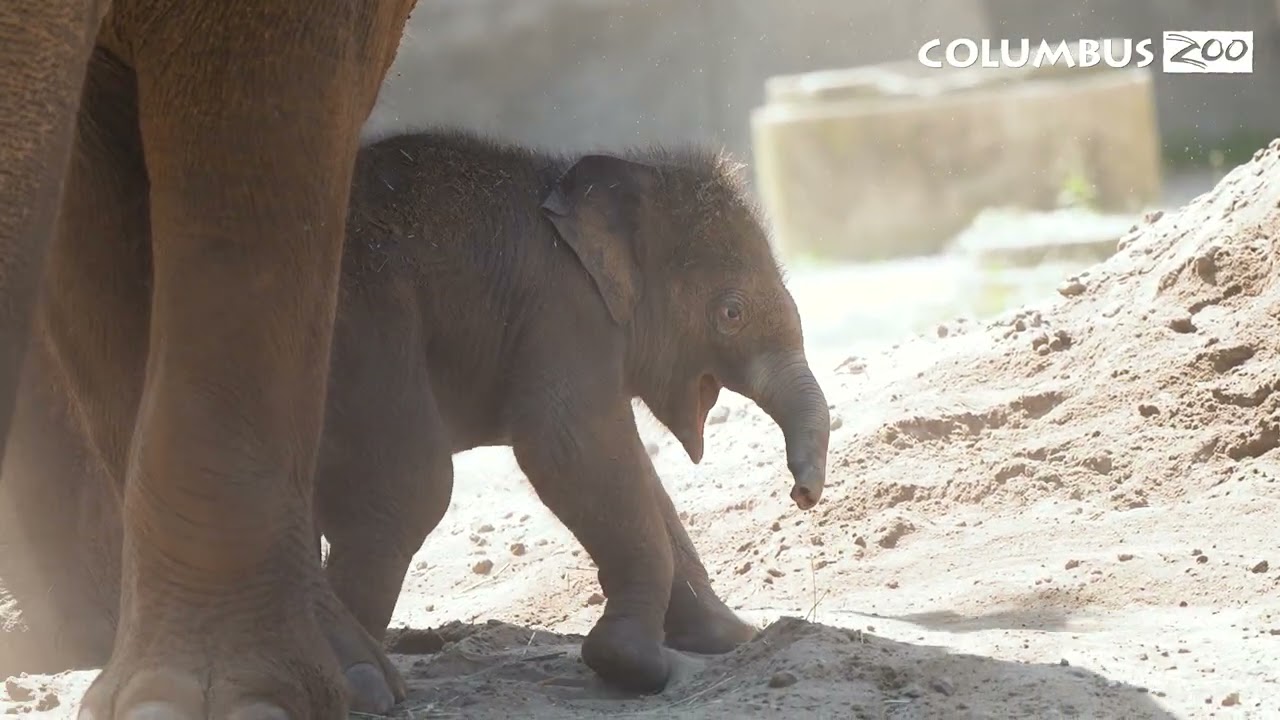
- Explore the innate behavior of baby elephants and their interaction with sand.
- Discuss the significance of play in elephant development and well-being.
- Analyze the role of zoos and wildlife conservation efforts in supporting elephant populations.
- Detail the environmental adaptations of elephants and evolutionary insights.
- Present strategies for fostering public awareness and conservation support for elephants.
In the enchanting display of nature’s delight, few sights match the exuberance of a baby elephant playing in the sand. This spectacle provides insight into the innate behaviors and complex lives of these majestic creatures. By exploring this interaction, we gain perspective on several vital aspects of elephant life and conservation.
Elephants are remarkable animals with intricate social structures and deep-rooted instincts. When a baby elephant encounters sand, it’s not just about play—it’s an expression of natural behaviors that contribute to their overall development. Rolling, dusting, and wallowing in the sand are more than just frivolous actions; they play pivotal roles in elephant survival and adaptation.
The core of this seemingly playful activity lies in skin care. Elephants, lacking sweat glands, use sand to regulate body temperature. The coating of sand acts as a natural sunscreen and insect repellent, showcasing an evolutionary adaptation honed over millennia. The thick skin of these creatures is sensitive, and sand helps in removing parasites while protecting against UV rays.
The importance of play in elephants cannot be understated. It is through these interactions that young elephants develop crucial motor skills and social bonds. Play fosters communication abilities and helps establish familial connections within the herd. Observing a baby elephant in a safe environment, like a zoo or sanctuary, reveals the significance of these social dynamics.
Zoos play a critical role in the conservation of elephants. They offer safe environments where these complex creatures can thrive away from threats such as poaching and habitat destruction. A baby elephant’s sheer joy in the sand becomes a symbol of successful zoo management and breeding programs. These institutions are sanctuaries for both protection and education, aiming to preserve genetic diversity and raise public awareness.
The conservation of elephants extends beyond zoos. Efforts in preserving natural habitats and implementing anti-poaching laws are essential. Elephants face existential threats due to human activities. Biodiversity conservation areas and community-based initiatives can help sustain elephant populations in the wild. Ecotourism can contribute significantly by fostering economic benefits and encouraging local communities to participate in conservation efforts.
Understanding elephants’ environmental adaptations provides valuable insights into their evolutionary journey. With large ears acting as cooling mechanisms and their trunks as multifunctional tools, elephants have adapted to diverse habitats across Africa and Asia. These adaptations are crucial in the modern context of climate change, offering lessons in resilience.
Public engagement is vital for conservation success. Education and outreach programs, often facilitated by zoos and conservation organizations, can inspire greater public involvement. By witnessing the joy of a baby elephant in sand, individuals can develop a connection to wildlife, fostering a community dedicated to preservation efforts. Storytelling, both digital and in-person, is a powerful tool to build empathy and support.
Baby elephants and their interaction with sand represent a small but significant glimpse into the lives of these intelligent creatures. From the play observed in zoos to the pressing challenges faced in the wild, elephants teach us about the importance of coexistence and the necessity of protecting our planet’s biodiversity. Through concerted efforts in conservation and education, we can hope to safeguard the future of these majestic animals for generations to come.
*****
Source Description
A fun fact about our newest elephant calf: she loves to play in the sand!
But this isn’t just unique to her – all elephants love to coat themselves with sand. This behavior, called dusting, is a vital behavior where elephants use their trunks to spray dirt, dust, or mud all over their bodies to protect their skin from the sun, act as a natural sunscreen, and repel parasites and biting insects.
This is why you’ll often see Sunny spraying dust all over the calf and coating her with it – she’s just protecting her baby’s skin! Learn more about our newest calf and plan your trip to see her yourself at https://www.columbuszoo.org/elephant-updates.
