
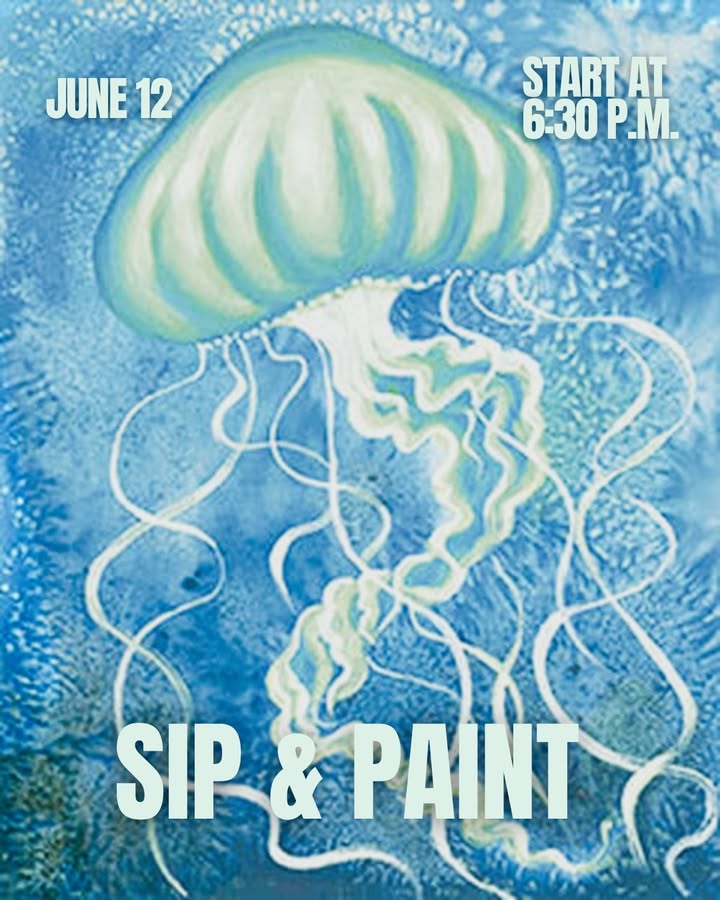
- The significance of animal inspiration in art and creativity.
- Understanding jellyfish behavior and biology.
- A step-by-step guide to creating jellyfish paintings.
- The role of aquariums in wildlife conservation and education.
- Upcoming creative sessions at the Aquarium, including details on the next event.
The intersection of art and nature has long fueled creativity and imaginative expression. One of the most profound sources of inspiration comes from the animal kingdom. The beauty, grace, and intricacies of various species ignite the creative spark in artists, helping them express their thoughts, emotions, and ideas. Animals serve as a canvas for reflection on biodiversity and conservation in the world we inhabit. As participants engage in the upcoming jellyfish painting session at the Aquarium, they take part in more than just a creative endeavor; they are actively connecting art to education and conservation.
Jellyfish, in particular, offer a fascinating study. These creatures, with their translucent bodies and ethereal movements, have captivated scientists and artists alike for centuries. Belonging to a group of animals known as cnidarians, jellyfish have been around for over 500 million years, showcasing a remarkable adaptability to their environment. Their biology is as intriguing as their appearance. Jellyfish possess a simple anatomy with no brain, heart, or bones. Yet, they are complex in their lifecycle, exhibiting both polyp and medusa stages. This unique lifecycle allows them to thrive in various conditions, illustrating resilience.
Understanding jellyfish behavior is essential for any artist looking to capture their essence on canvas. These animals utilize a rhythmic pulsation of their bodies to propel themselves through water. This movement also aids in their feeding habits, as they use tentacles lined with specialized stinging cells—called nematocysts—to catch prey. Artists may draw inspiration from this mesmerizing movement. Observing how jellyfish drift with currents can translate into fluid strokes and colors on a canvas.
The act of creating jellyfish paintings can be both therapeutic and expressive. To embark on this artistic journey, it is helpful to outline a simple process. First, gather materials such as acrylic paints, brushes, and canvas. The choice of colors often resonates with the vibrant hues found in nature. Deep blues and aqua greens can capture the essence of ocean water, while bright pinks and purples may reflect the variety of jellyfish species.
Begin by sketching the outline of a jellyfish on the canvas. This could range from a simple shape to a more detailed rendition. Focus on the body shape, tentacles, and any intricate patterns observed in real specimens. Once the outline is complete, start painting layers of color. Use lighter tones for the body and darker shades for depth, playing with contrasts to highlight the jellyfish’s delicate translucence. Utilize a stippling technique for tentacles, allowing for a sense of movement and fluidity. This process not only showcases creativity but also deepens the understanding of the anatomy and behavior of jellyfish.
The Aquarium plays a crucial role in fostering understanding and appreciation for such marine life through its educational programs. By offering not just an opportunity to create but also to learn, the Aquarium encourages awareness of conservation issues impacting marine ecosystems. Education about jellyfish is particularly timely. Species diversity is affected by climate change, pollution, and overfishing, resulting in shifts in jellyfish populations that can disrupt the entire marine food web. Artists participating in these creative sessions contribute to raising awareness through their artwork. The creative responses offer a platform to discuss biodiversity and link art with crucial conservation efforts.
The upcoming creative sessions at the Aquarium are planned to engage the community in both art and education. Held every 2nd and 4th Thursday, these events allow participants to connect with nature while exploring their artistic capabilities. The next session on June 12 from 6:30 to 8:30 p.m. at Cape Fear Shoals promises a peaceful evening dedicated to jellyfish painting. This setting provides an immersive experience with the added benefit of an inspiring atmosphere.
For those interested in participating, booking is available through the provided link. Engaging in this creative outlet also fosters a sense of community. Participants share their experiences while enhancing their talents, further uniting art with the appreciation of marine life. This interaction allows for a collective examination of how creativity influences our understanding of the natural world.
As works of art emerge from these sessions, they serve not just as personal creations but as reminders of the beauty and fragility of aquatic life. They become tools for discussing essential topics such as ecological balance and environmental responsibility. Each painting can represent a personal narrative of experiences with oceanic creatures, reminding us of the role we all play in conservation efforts.
Art can serve as a powerful means of communicating complex scientific principles. The jellyfish painting session invites attendees to explore their creative potential while gaining insights into jellyfish biology and conservation. By merging art with education, attendees gain essential skills while having the opportunity to reflect on the wonder of the animal kingdom.
As we continue through the summer months, the importance of engaging with nature remains critical. Opportunities, like those offered at the Aquarium, allow individuals to foster creativity while simultaneously advocating for wildlife conservation. Individuals can actively participate in protecting ecosystems by immersing themselves in art inspired by nature.
Jellyfish, with their diverse array of species and captivating movements, are an ideal subject for artistic expression. Their allure lies not only in their beauty but also in their ecological significance. They transcend mere aesthetics, becoming central figures in discussions on ocean health. Artists, students, and enthusiasts alike can use their creativity to amplify awareness around environmental issues.
By participating in these events, attendees invest in creating a ripple effect. The art they produce can stimulate conversations around the need for conservation, reminding those who view their work of the vital connections between humans, art, and marine ecosystems. It’s more than just exploring creativity; it’s about participating in broader awareness efforts that highlight the significance of the natural environment.
The integration of education, conservation, and art represents a holistic approach to wildlife stewardship. Individuals are encouraged to see themselves not just as creators but as advocates for change. As they explore their artistic abilities inspired by jellyfish, they also become custodians of the marine environments that sustain a multitude of life forms.
This synergy between creativity and education serves as a stepping stone for greater involvement in conservation initiatives. The next session on June 12 at the Cape Fear Shoals habitat is an opportunity for individuals to connect, create, and contribute. Those interested in joining can secure their spots and prepare for a creative evening filled with artistic exploration informed by the enchanting world of jellyfish.
Participating in artistic endeavors at the Aquarium is a step towards embracing the idea that creativity and nature can coexist harmoniously. This approach fosters deeper engagement with wildlife, expanding the avenues through which humans relate to the natural world. Artists inspired by jellyfish remind us that beauty and fragility exist in nature and encourage all to lend their voices in conservation efforts worldwide.
*****
Source Description
🎨✨ Unleash your inner artist with inspiration from the incredible animals at the Aquarium!
🦈 This time, we’re diving deep into creativity with a jellyfish painting that will capture the magic of these mesmerizing creatures!
Join us every 2nd & 4th Thursday through Sept. 25 for a creative evening at the stunning Cape Fear Shoals habitat.
📅 Next session: June 12
⏰ 6:30–8:30 p.m.
🎟️ Book now: https://bit.ly/415YUY2
Let your creativity flow with nature as your muse!
