
- The significance of the Magic Wings Butterfly House to conservation and education.
- The biological and ecological importance of butterflies in their ecosystems.
- Details about butterfly species and their life cycles featured at the sanctuary.
- The role of community involvement in supporting conservation efforts.
- The celebration of 25 years of service and its impact on environmental awareness.
The Magic Wings Butterfly House, established in 1999, has been an essential part of the local community, serving as both an educational center and a haven for butterfly species from around the globe. This vibrant sanctuary fosters a connection between people and nature, raising awareness about the importance of butterfly conservation. Over the past 25 years, it has not only attracted visitors but has also contributed significantly to research, education, and conservation efforts.
Understanding the ecological role of butterflies is crucial for both conservationists and the general public. Butterflies are pollinators that facilitate the reproduction of many plants, supporting food webs and biodiversity. In an age where climate change and habitat destruction threaten these insects, the work done at the Magic Wings Butterfly House highlights their importance in maintaining balanced ecosystems. The sanctuary features a variety of butterfly species, each playing its unique role within the ecosystem, from pollinating flowering plants to serving as a food source for other animals.
At the Magic Wings Butterfly House, visitors can encounter a diverse range of butterfly species, each chosen for their educational value and ecological significance. The life cycles of these butterflies are remarkable, consisting of four stages: egg, larva (caterpillar), pupa (chrysalis), and adult butterfly. Visitors have the opportunity to observe these stages, sometimes in real-time, fostering a deeper understanding of the transformation that each butterfly undergoes. Notably, the metamorphosis of the Monarch butterfly serves as an exemplar of this fascinating process. These butterflies undertake a long migration each year, flying thousands of miles to migrate between winter and summer habitats, showcasing their resilience and adaptability.
Community involvement has been instrumental in the success of the Magic Wings Butterfly House. Education programs encourage local schools and families to participate in conservation activities. Workshops on butterfly gardening, habitat restoration, and sustainable practices engage the public in ecological stewardship. Through these programs, individuals learn the crucial role they play in supporting biodiversity. Actions such as creating butterfly gardens in backyards or participating in local clean-up efforts can significantly contribute to maintaining viable habitats for these pollinators.
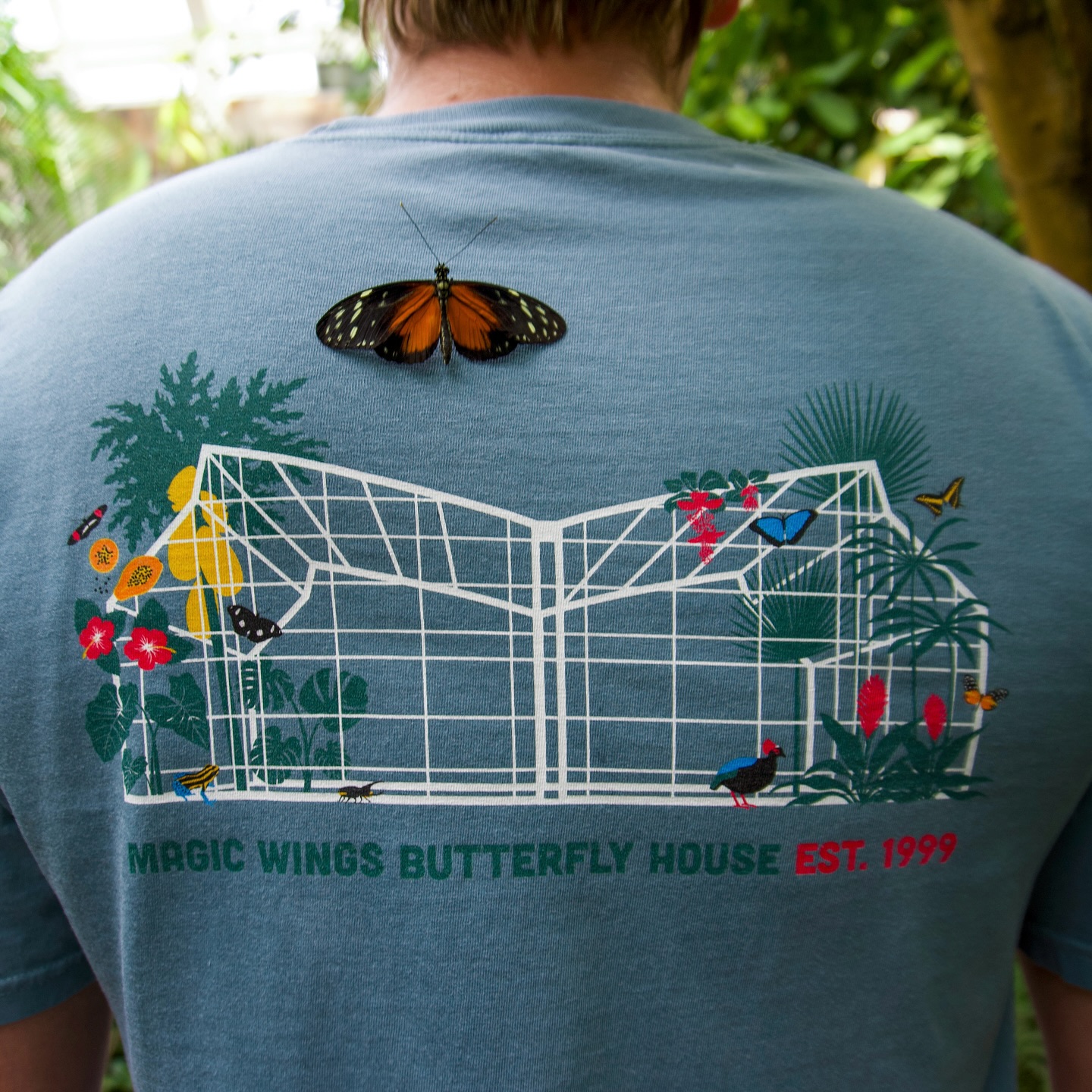
As we celebrate the 25th anniversary of the Magic Wings Butterfly House, it is vital to reflect on the institution’s impact on environmental education and awareness. The anniversary is marked not just by festivities but by an opportunity to invest in the future of conservation efforts. The special commemorative t-shirt serves to raise funds that directly support ongoing research and outreach initiatives. Proceeds from the sales will aid in perpetuating the sanctuary’s mission and fostering future generations dedicated to wildlife conservation.
Contributing to the conservation of butterflies is more than just an appeal to emotion. It is backed by scientific data illustrating how pollinators influence agricultural practices, contribute to biodiversity, and impact economic health. The loss of butterfly populations can lead to reduced crop yields and diminished plant diversity. Engaging with conservation programs can help combat these issues, both in the local community and in broader contexts. Educational efforts must focus on teaching communities about the threats to butterfly habitats, such as pesticide use and urban development.
The operational aspect of the Magic Wings Butterfly House is as vital as its educational mission. The selection and care of butterfly species require knowledgeable staff dedicated to maintaining optimal conditions for flight and growth. Each butterfly species has specific needs in terms of habitat, temperature, and humidity. This specialized care highlights the importance of professional training in zoo management and wildlife conservation, ensuring that both staff and butterflies thrive.
Moreover, the butterfly house acts as a hub for researchers engaged in studying various butterfly species’ behaviors and habitats. Collaborations with universities and scientific organizations further provide vital data about the ecological status of butterfly populations. Much of this research contributes to global understanding and ongoing conservation measures.
Butterflies also serve as indicators of environmental health. Their presence and population dynamics can reflect changes in local ecosystems. Regular monitoring of butterfly populations helps conservationists gauge the effects of environmental factors, signaling when critical conservation actions might be necessary. Understanding these dynamics is central to effectively addressing the challenges posed by climate change, habitat destruction, and pollution.
In addition to on-site activities, the Magic Wings Butterfly House takes its conservation efforts into the broader community. Outreach programs extend knowledge of local butterflies and their habitats into schools and community groups. By providing resources and workshops, the butterfly house fosters an understanding of the importance of conservation at all levels, from the home garden to larger landscape projects.
For those interested in butterfly gardening, practical resources include information on native plants that bloom at different times of the year, ensuring a continuous food source for butterflies. Creating spaces that cater to various life stages of butterflies can significantly impact local populations. Adult butterflies require nectar plants, while caterpillars need host plants for feeding.
Encouragingly, the public’s interest in butterfly gardening and conservation continues to grow. The appeal of butterflies serves to ignite passion for nature and its preservation. Schools have increasingly incorporated butterfly gardens into their educational curriculum, teaching children the science behind plant and insect interactions in a tangible way. Engaging children in hands-on learning experiences fosters long-lasting respect for the environment.
Throughout our celebration of the Magic Wings Butterfly House over these 25 years, it is clear that this establishment serves as a model of effective conservation and education. The fusion of scientific inquiry, public participation, and community investment fosters a culture of stewardship that is vital for the future of butterflies and biodiversity as a whole.
Through reflecting on the journey of the Magic Wings Butterfly House, it’s evident that supporters of conservation can make a profound impact in addressing the pressing challenges faced by butterfly populations. By purchasing commemorative merchandise or participating in projects, individuals contribute to safeguarding these essential pollinators for generations to come. As the butterfly house continues its mission, it stands as a beacon of hope, inspiring future conservationists to protect the beautiful, diverse world of butterflies and their habitats.
The story of the Magic Wings Butterfly House is interwoven with the narrative of our natural world, challenging us to examine our practices and behaviors towards wildlife. As we move forward, each action we take contributes to a collective effort to secure the future of butterflies, ensuring that they continue to flutter among us and enrich our lives with their beauty and ecological significance.
*****
Source Description
Something to flutter about! 🦋
Since 1999, when the Magic Wings Butterfly House first opened to Museum visitors, this beloved sanctuary has been a place where curiosity blossomed and connections to nature deepened. Help us celebrate 25 years of magic and wonder by purchasing this commemorative t-shirt!
Order yours at the link in our bio.
Proceeds will directly support our work of conservation, research, and education.
