
- The impact of themed events on visitor engagement and education in zoos
- The role of live entertainment in enhancing the zoo experience
- Seasonal celebrations and food offerings in zoo environments
- Conservation education through immersive experiences
- The benefits of adult-focused events for wildlife preservation funding
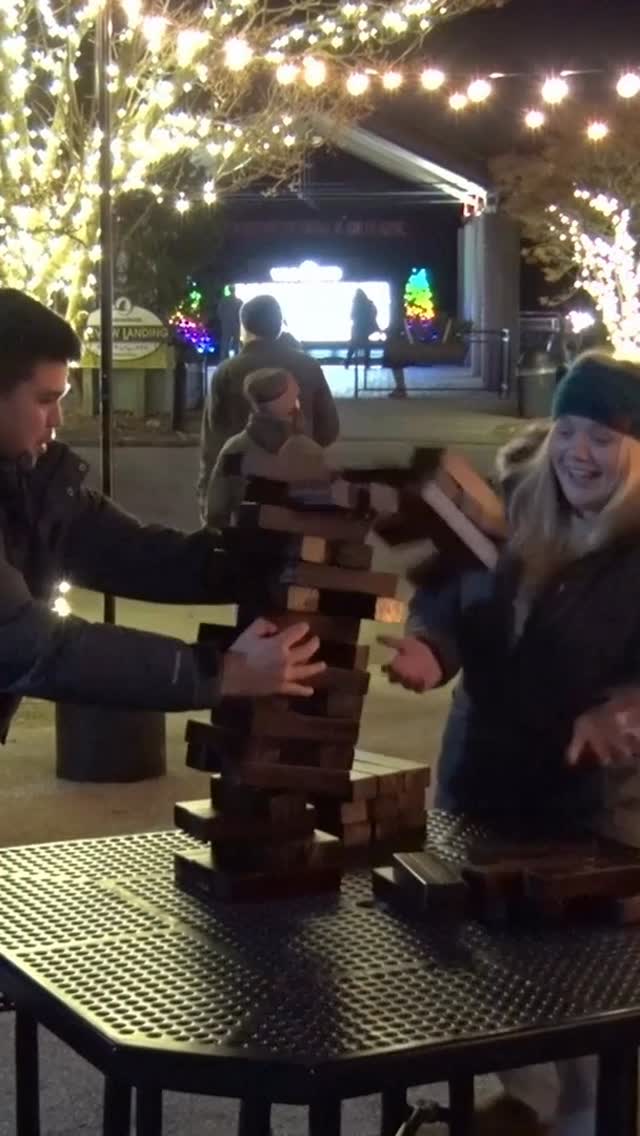
An adult-only event at the zoo can significantly enhance visitor attraction and engagement. During “Cheers to a 21+ Night at the Zoo!” attendees can enjoy a memorable evening filled with live entertainment, dazzling light displays, and unique food options. This event provides an opportunity to connect individuals not just with wildlife, but also with conservation efforts that are critical today. Applying an educational lens to such experiences can deepen understanding and appreciation for biodiversity and environmental stewardship.
Live entertainment serves a dual purpose at these themed events—entertaining attendees while also educating them. Acts may include musicians, dancers, and performers who can present animal facts or conservation messages naturally through their performances. The use of ice carving demonstrations not only captivates the audience visually, but also demonstrates the artistry involved in capturing wildlife themes. This visual engagement can foster a connection to the animals being represented, highlighting the importance of their conservation in a way that is memorable.
Seasonal celebrations are often coupled with specialized food offerings. Emphasizing local ingredients or animal-themed dishes, these culinary options strengthen the theme of the event. Festive foods, especially during winter-themed celebrations like “Cheers to a 21+ Night at the Zoo!” often include hot beverages, savory snacks, and sweet treats that go hand-in-hand with the season. By experiencing these specific seasonal flavors, guests can gain an appreciation for what local ecosystems can offer, while also enjoying a culturally rich atmosphere.
Moreover, events such as these provide a platform for imparting knowledge about conservation efforts. Participants can learn about ongoing projects to protect endangered species within and outside of their localities. In many cases, these events provide funding opportunities—ticket sales may support wildlife conservation programs or animal care initiatives at the zoo. With funds raised, zoos can procure the necessary resources to focus on conservation priorities that revolve around biodiversity and habitat restoration.
The appeal of adult-focused events cannot be understated. While zoos primarily target families and children during regular hours, a program like “Cheers to a 21+ Night at the Zoo!” attracts a different demographic. This shift allows for a more mature audience to engage in dialogue around pressing wildlife issues. Conversations that center on conservation can be facilitated, leading to collective actions from attendees who might not usually engage with the zoo’s mission.
The social atmosphere at these events also allows opportunities for collaboration among stakeholders, including local businesses, conservation organizations, and the zoo itself. Complete with outdoor screening of classic films like Home Alone 2: Lost in New York, these events can further entice participants and encourage community engagement. The ambiance created through lighting and thematic elements can provide a warm backdrop, promoting a sense of unity among attendees.
From an educational standpoint, the zoo serves not just to showcase animals but also as a critical resource for ecological literacy. Programs and presentations on animal behavior, habitat conservation, and the interdependence of species can elevate an evening out to a learning experience. During events like “Cheers to a 21+ Night at the Zoo!”, guests can encounter engaged staff who share fascinating insights on the creatures residing in the zoo and the efforts underway to protect them.
Working cleverly around the cold of winter, this event allows guests to explore how seasonal changes affect wildlife and their habitats. Attendees can reflect on how cold weather impacts both aquatic and terrestrial animals, gaining an understanding of animal adaptations. For instance, elephants have thick skin that can insulate them during colder months, while penguins rely on their unique feather structure for warmth. Programming through events allows zoos to creatively convey the importance of such adaptations and the challenges posed by climate change.
Food and beverage options are more than just refreshments; they can also carry educational weight. By featuring items that highlight sustainability—such as locally sourced ingredients and organic products—zoos can underscore their commitment to environmental responsibility. The choice of serving wine or craft cocktails provides opportunities to discuss the advantages of sustainable agriculture in the agricultural sector and its relation to conservation.
Moreover, responsible alcohol consumption will be emphasized at the event, with various stations providing information about responsible drinking practices. Zoos have the potential to encourage mature audiences to partake in fun experiences while also stressing the importance of social responsibility.
The outdoor screenings, such as the one featuring Home Alone 2, offer a nostalgic component that resonates with adult audiences. By weaving cultural touchstones into the mix, zoos can create further connections between visitors and wildlife. The integration of entertainment serves to highlight fundamental themes like family and adventure found both in the movie and in the natural world, focusing on the importance of wilderness as a space for exploration.
The attractions of themed events at zoos like “Cheers to a 21+ Night at the Zoo!” emerge from the integration of culture, education, and social interaction. Providing a space where adults can gather to appreciate wildlife, coupled with opportunities to learn about conservation, can ultimately lead to actionable social change.
As patrons explore the event, they can find much to celebrate. All experiences are centered around animal welfare and education. The aim is to instill a long-lasting awareness of the challenges facing wildlife today. Programs that encourage wildlife conservation can evolve based on community interest and contribute to regional biodiversity initiatives.
By illuminating the connection between social gatherings and conservation efforts, events like this can significantly impact the public’s awareness. Each visitor has the potential to become an advocate for wildlife protection, empowered through the knowledge gained during their time at the zoo. Engaging in meaningful conversations can ultimately serve to influence conservation decisions in our communities and encourage attendees to become stewards of the environment.
In summary, the layered experience provided through “Cheers to a 21+ Night at the Zoo!” exemplifies how zoos can foster social engagement while prioritizing educational goals. Through live entertainment, festive food offerings, and a robust programming agenda, the event can serve as a model for the fusion of enjoyment and environmental advocacy. Zoos are not simply repositories for animals; they are lively centers of education and conservation the entire community can rally around.
*****
Source Description
🍷 🍸 Cheers to a 21+ night at the Zoo! 🎄
Raise a glass and stroll through the glow of dazzling lights at Cheers! Wild Lights on Thursday, Dec. 11 from 5:30–9:30 p.m.
Enjoy live entertainment, ice carving demos, festive food, special spirits, and an outdoor screening of Home Alone 2: Lost in New York.
🎟 Tickets: $22 online / $25 at the gate (includes parking!)
Link in bio for all the details.
