
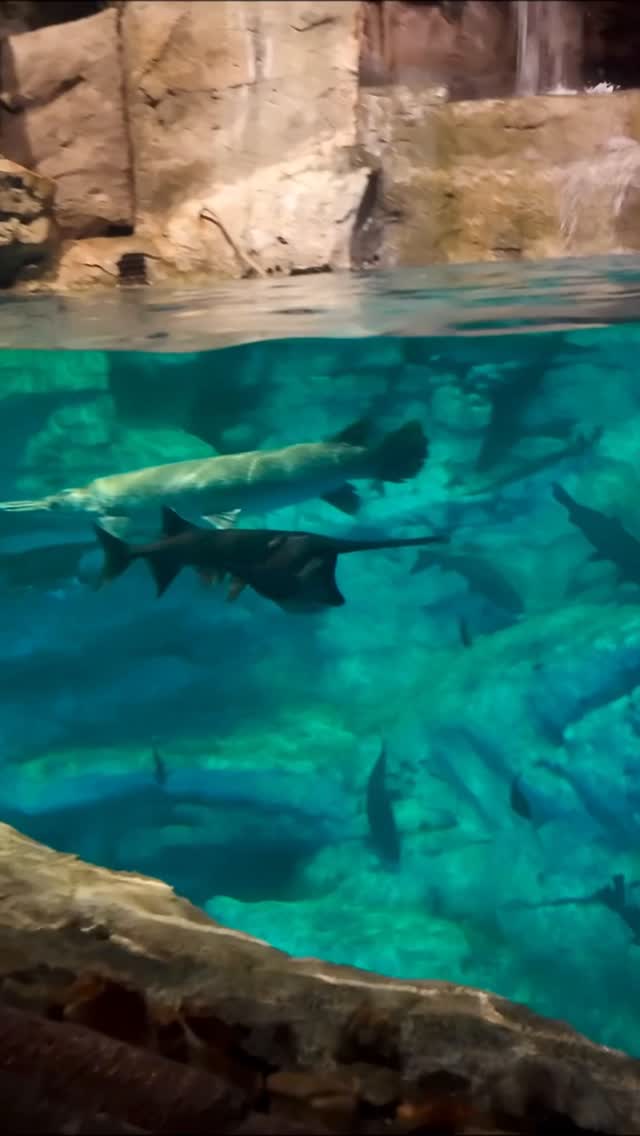
- Paddlefish: An Overview of Their Unique Biology
- Feeding Mechanisms: Similarities with Basking Sharks
- Habitat and Distribution: The Paddlefish’s Natural Environment
- Conservation Status: Challenges Facing Paddlefish Populations
- Aquatic Exhibits: Importance of Zoos and Aquariums
Paddlefish are fascinating creatures belonging to the family Polyodontidae, known for their distinct long snouts, resembling paddles. These fish are often large, reaching lengths up to 6 feet or more, making them a remarkable sight in any aquatic setting. Found primarily in the freshwater rivers of North America and parts of Asia, they display a characteristic behavior that captures the attention of both casual observers and dedicated enthusiasts alike.
One of the paddlefish’s most defining traits is its feeding strategy. Paddlefish open their mouths wide to filter food from the water column, much like basking sharks. This unique filter-feeding mechanism allows paddlefish to capture plankton and small organisms without expending a lot of energy. The fish utilize sensory receptors along their bodies to detect food particles in the water, providing them with the ability to efficiently consume large quantities of food. This behavior is particularly noticeable when a tank has just been fed, as paddlefish become animated, displaying their feeding habits more prominently.
The paddlefish’s filter-feeding capability is enhanced by the structure of its gills. The gill rakers, which are specialized structures that line the gills, trap and hold onto small prey as water flows through the gills when the mouth is open. This method of feeding is essential for the paddlefish’s survival, especially in nutrient-rich waters where plankton concentrations can fluctuate significantly.
Habitat plays a crucial role in the paddlefish’s life cycle. Paddlefish are typically found in large rivers, such as the Mississippi and Missouri Rivers in North America, where they roam freely in search of food. However, these fish prefer slow-moving or stagnant waters, as they require environments that support abundant plankton populations for feeding. Unfortunately, human activity such as dam construction and habitat alteration can disrupt these ecosystems, making it harder for paddlefish to thrive. Riverine systems that have been heavily modified for agricultural or urban development often lack the necessary conditions for paddlefish populations to rebound.
The paddlefish’s geographic range is also noteworthy. In North America, the American paddlefish (Polyodon spathula) is the most common species, whereas in Asia, the Chinese paddlefish (Psephurus gladius) faced significant population declines. The decline of the Chinese paddlefish is particularly alarming, as this species has not been seen in several years and is believed to be functionally extinct. This situation underscores the broader conservation challenges faced by paddlefish globally.
Conservation efforts aimed at paddlefish are crucial, primarily due to their vulnerable status in many regions. Various initiatives are underway to protect the habitats essential for their survival. Regulatory efforts include establishing protected areas and managing water flow to maintain suitable habitats. Furthermore, breeding and reintroduction programs are in place targeting the American paddlefish, with the objective of enhancing populations in areas where they have declined.
Fisheries management also plays a significant role in paddlefish conservation. By implementing sustainable fishing practices and habitat restoration projects, stakeholders can help ensure the safety and continued existence of paddlefish populations. Anglers are encouraged to practice catch-and-release methods, which contribute to the preservation of this species in the wild.
Visiting an aquatic exhibit, like the Wonders of Wildlife, offers a chance to witness paddlefish in person, engaging in their natural feeding behavior within a controlled environment. Such facilities not only provide educational opportunities but also play a vital role in conservation efforts. They allow the public to learn about these species and understand their importance within the ecosystem.
Aquariums can conduct research on paddlefish behavior, diet, and reproduction, contributing significantly to the scientific community’s knowledge. These institutions can also facilitate breeding programs for endangered species, ensuring genetic diversity is maintained in captive populations before any reintroduction efforts.
Awareness and education about paddlefish serve as crucial conservation tools. The more people know about paddlefish and their roles in freshwater ecosystems, the more likely they are to support efforts to protect them. Public fascination with unique species like the paddlefish can drive interest in conservation initiatives, and organizations can create campaigns to promote awareness and engagement.
Additionally, outreach programs can help educate communities near paddlefish habitats about the importance of clean waterways and sustainable practices. Such cooperation between scientists, conservationists, and the public can lead to effective management strategies that benefit both paddlefish and the ecosystems they inhabit.
The paddlefish’s large size and filter-feeding behavior exemplify its importance within aquatic environments. These fish serve as bioindicators, meaning their health reflects that of the ecosystem as a whole. If paddlefish populations decline, it often signals issues such as pollution, habitat destruction, or overfishing. Maintaining healthy paddlefish populations can contribute to the overall stability of freshwater ecosystems.
Furthermore, paddlefish have a fascinating evolutionary history. They are among the oldest living species on the planet, having existed for over 200 million years. Their unique adaptations, such as the long, flattened snouts and specialized gill rakers, have allowed them to survive significant environmental changes over millennia. This evolutionary perspective adds another layer of significance to their conservation.
The paddlefish’s ecological role extends beyond simply being filter feeders. By consuming large quantities of plankton, they help regulate these populations, which can affect the nutrient dynamics of their habitats. Nutrient cycling is critical for maintaining water quality and supporting other aquatic life, including fish, amphibians, and invertebrates. This interconnectedness highlights the need for a holistic approach to freshwater conservation that considers all species’ roles within the ecosystem.
Aquarium professionals play a crucial role in raising awareness about such behaviors. Through educational programs and interactive exhibits that allow visitors to observe paddlefish feeding, they can create a sense of wonder and stewardship. Exhibits showcasing the paddlefish’s unique feeding behavior can engage young audiences, fostering a new generation of conservationists who appreciate the importance of safeguarding aquatic ecosystems.
Moreover, sustainability in water management practices can significantly impact paddlefish populations. Strategies like river restoration and the construction of fish passageways can improve access to traditional spawning grounds. This can encourage populations to recover and provide better conditions for both paddlefish and other species affected by human activities.
Paddlefish are not just a spectacle in aquariums; they are a vital component of freshwater ecosystems. They remind us of the importance of biodiversity and the need for collective action to protect species under threat. Through a combination of education, conservation efforts, and community engagement, there exists a genuine opportunity to ensure that paddlefish and their ecosystems not only survive but thrive for future generations.
Visiting places like the Wonders of Wildlife can deepen our appreciation for species like the paddlefish and inspire action toward their conservation. Observing their feeding behavior can leave a lasting impression, prompting visitors to think critically about aquatic ecosystems and the responsibilities they hold. Initiatives aimed at conserving paddlefish also lead to broader ecological benefits, fostering healthier waterways that benefit all aquatic inhabitants and those relying on these ecosystems.
The paddlefish exemplifies the complexities and interconnectedness of ecological systems. By understanding their biology, behavior, and role in their environment, we can appreciate the urgency of protecting them. The call for responsible fishing practices, habitat conservation, and public education is louder than ever, signaling a collective responsibility to safeguard the future of paddlefish and the delicate balance of our aquatic ecosystems.
*****
Source Description
Such a cool fish, the paddle fish open their mouth to filter food from water column, just like a basking shark! I think the tank was just fed, that’s why they were exhibiting their feeding behavior, otherwise they wouldn’t open their mouth like that.
This is a big o display at Wonders of Wildlife @wondersofwildlife , such a cool place for monster fishes!
