
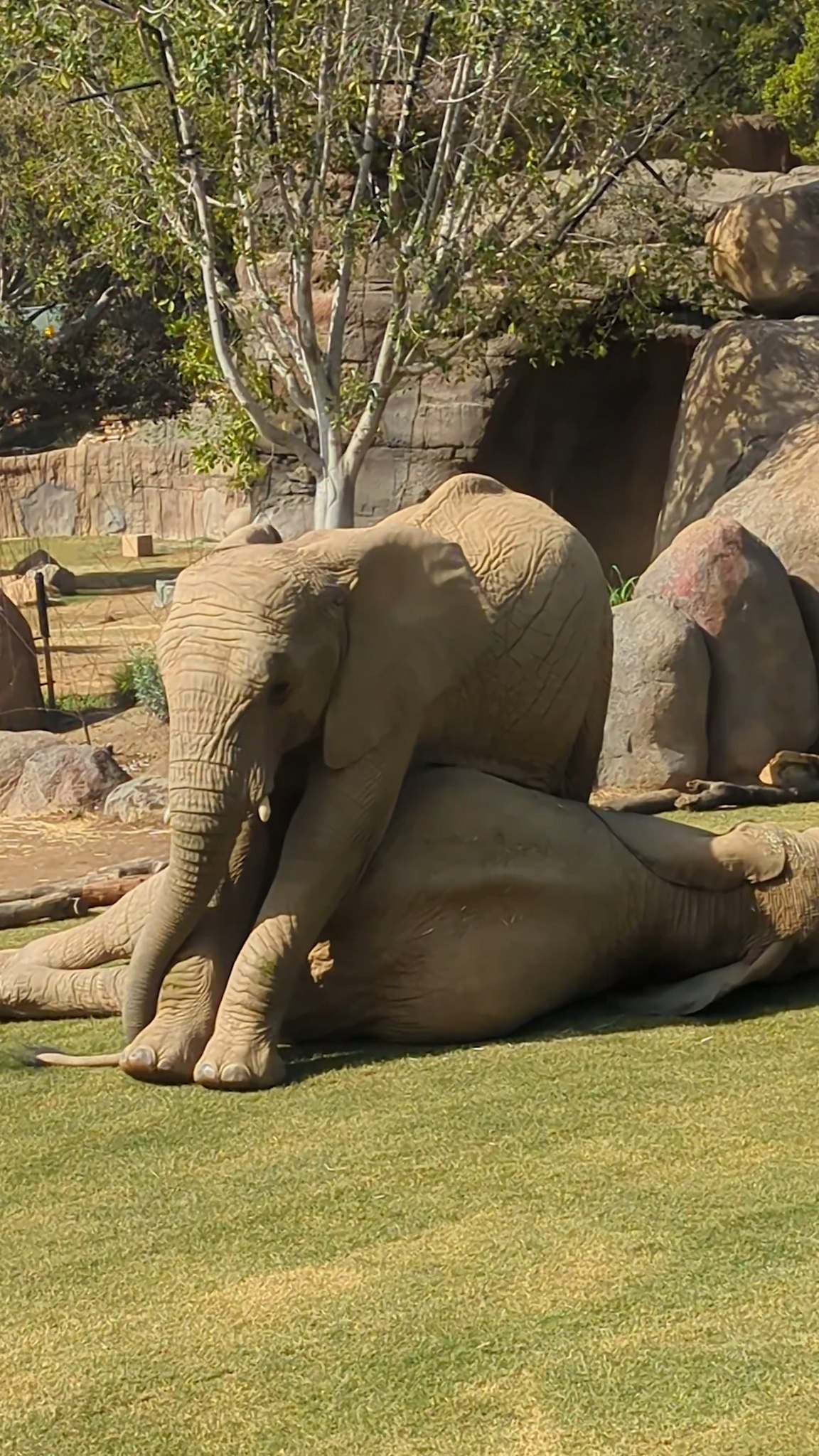
- Elephant social structures and the significance of family dynamics.
- Role of elephants in wildlife conservation efforts.
- Behavioral observations in elephants and their implications for captive care.
- Practical zoo management strategies informed by elephant behavior.
- Conservation challenges and the importance of educational outreach.
Elephants are among the most iconic creatures in the animal kingdom, known for their intelligence, emotional depth, and complex social structures. One facet of their behavior that often captivates observers is the way elephants care for each other within their tight-knit social groups. This behavior is on full display in environments like zoos, where elephants exhibit similar social dynamics as they would in the wild. Understanding these dynamics is critical to advancing wildlife conservation and improving zoo management practices.
Elephant social structures are profoundly intricate, with family dynamics at the core. In the wild, elephants typically form matriarchal herds consisting of related females and their young. These herds are led by an experienced matriarch, often the oldest and most knowledgeable female, who ensures the group’s safety and welfare. Hierarchies within these structures dictate interactions, with older elephants often taking on roles similar to guardians for younger or more vulnerable herd members. This behavior not only promotes survival but also enriches the social bonds that are vital to the herd’s cohesion.
For elephants in zoos, simulating these natural social structures is essential. Activating the same guardianship behavior among captive elephants, as observed with Zuli and Kaia, can be beneficial. Such interactions emphasize the importance of social enrichment in captive environments. Zoos are tasked with designing habitats and social arrangements that reflect natural conditions, thus encouraging elephants to thrive physically, mentally, and socially.
The significance of these social dynamics extends beyond the zoo environment into broader conservation efforts. Elephants play pivotal roles in their ecosystems by facilitating seed dispersal, creating waterholes used by other animals, and maintaining the ecological balance. Their well-being is thus directly tied to biodiversity conservation. Conservationists utilize the understanding of elephant social behavior to implement effective protection strategies in the wild. For example, knowledge of habitat needs and social dependencies helps in designing protected areas and corridors that cater to the movement and interaction patterns observed in wild elephant populations.
Behavioral observations of elephants offer profound insights into their needs and welfare. Understanding how elephants communicate, establish hierarchies, and protect each other informs best practices in zoo management. For caregivers and zoologists, recognizing stress signs and addressing them appropriately can radically improve captive elephants’ quality of life. Behavioral enrichment programs, mimicking natural challenges and opportunities for social interaction, are crucial for their mental health.
Zoo management today integrates these behavioral insights into daily operations. The focus extends beyond basic care, embracing activities that encourage natural behaviors. This approach includes creating spaces where elephants feel comfortable exhibiting their natural behaviors, such as dust bathing, foraging, and socializing. Through careful observation, zookeepers can adjust routines to better serve the elephants’ psychological and physical wellbeing, aligning with the latest findings in zoology and animal psychology.
Conservation challenges surrounding elephants are undeniably significant. Habitat loss, human-wildlife conflict, and poaching threaten these majestic giants. Educational outreach is an indispensable ally in addressing these challenges. By raising awareness, zoos and conservation organizations inspire public participation in conservation efforts, fostering a societal commitment to preserving elephant populations for future generations.
Educational initiatives often focus on highlighting the critical role elephants play in natural ecosystems. Programs tailored to different demographics can transform public perception and underscore the urgency of conservation. Zoo visitors, for example, can engage with educational content that illustrates elephant behaviors and the implications for their survival in the wild. Such programs empower individuals to contribute to conservation efforts actively, whether through advocacy, support of conservation policies, or participation in citizen science projects.
The story of elephant care and conservation is a testament to the interconnectedness of animal welfare and environmental stewardship. By understanding and respecting the social and emotional needs of elephants, both in zoos and the wild, we enhance our commitment to conserving their future. This responsibility extends to everyone, urging collective action in nurturing the delicate balance of life these creatures help sustain.
*****
Source Description
Lean on me 🐘
Though this may look like some sort of pachy pile up, the behavior we’re seeing is actually incredibly wholesome. While Zuli was helping himself to an afternoon nap, Kaia took it upon herself to “guard” him from any potential threats, just like an elephant would do for a younger calf in the wild.
