
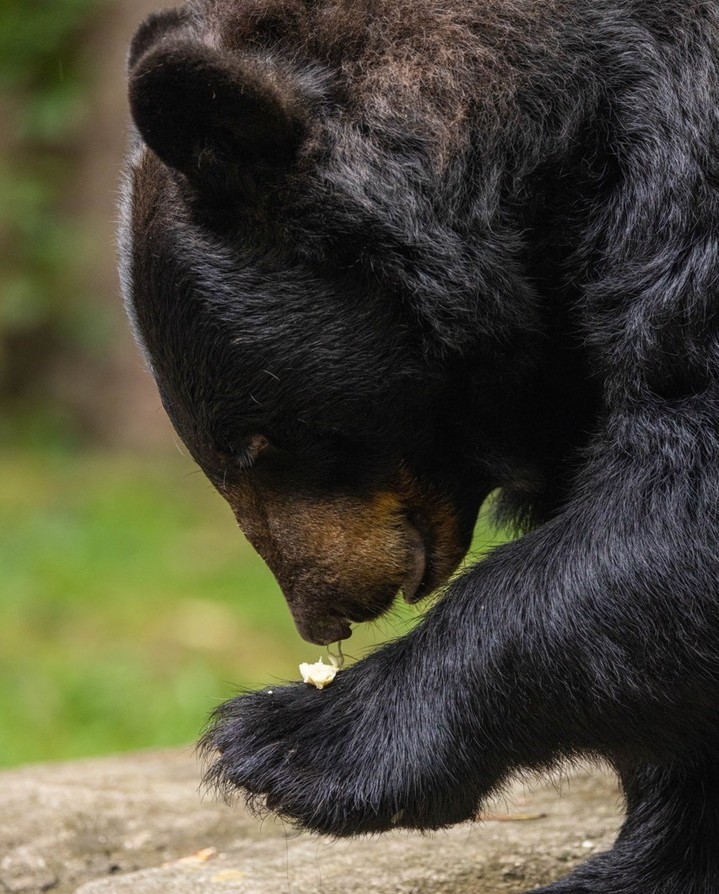
- Understanding the Role of Snacks in Animal Welfare
- The Significance of Interactive Feeding
- Strategies for Implementing Snack-Based Enrichment
- Contributions of Snacks to Conservation Efforts
- Observational Insights from Animal Behavior
Snacking plays a crucial role in animal welfare, especially in zoological settings. Animal caretakers are increasingly aware that providing snacks is not solely about dietary needs; it’s also about enhancing the overall quality of life for the animals. Snacks serve various purposes: they stimulate natural behaviors, encourage social interactions, and address psychological health. In well-managed zoos, snacks are used thoughtfully to correspond with specific species needs and their ecological backgrounds.
Interactive feeding is a fundamental concept in zoo management that integrates snacks into the daily care routines of animals. It involves engaging animals through various foraging and problem-solving activities that mimic their natural search for food. This approach fosters mental stimulation and physical activity, both of which are essential for the wellbeing of zoo inhabitants. For instance, offering a variety of snacks can encourage animals to explore their habitats, climb, dig, or problem-solve to access food. This interaction not only aligns with natural behaviors but also encourages enrichment through playful engagement, offering them a fulfilling environment.
Implementing snack-based enrichment strategies involves thoughtful planning and awareness of species-specific dietary needs and interests. Different animals possess varying levels of foraging skills and preferences for snacks. For example, primates may enjoy puzzle feeders filled with fruits or nuts, while birds might benefit from hanging feeders that require them to work for their treat. Moreover, consideration of the time of year, weather conditions, and social dynamics can influence what snacks are offered. For example, during breeding seasons, certain species may require richer diets, while others might need lower-calorie options to maintain health. This multilevel approach assists in creating an environment that supports not only physical but also social wellbeing.
Contributing to conservation efforts involves a comprehensive understanding of nutritional ecology and behavior. Zoos play a pivotal role in preserving wildlife, and enrichment through snacks can significantly impact conservation programs. By studying the dietary habits of animals in captivity and their wild counterparts, zoos can formulate diets that contribute to healthier populations. This knowledge also lays the foundation for breeding programs aimed at reintroducing species into their natural habitats. Through collaborations with conservationists, zoos can develop specialized snack offerings that promote the survival skills needed when animals are re-released into the wild.
Observational insights from animal behavior provide valuable data for understanding the implications of snacks on wellbeing. Through careful observation, staff can note how animals interact with snacks, which can suggest their emotional and physical states. For instance, eager exploration of snack-filled enclosures might indicate healthy curiosity and energy levels, while lethargic behaviors can flag potential health problems. Engaging with animals in this way fosters a deeper relationship between caretakers and their charges, allowing for a responsive management strategy that prioritizes the needs of the animals.
The multi-functional role of snacks in zoos is becoming increasingly recognized as a critical component of animal care and management systems. Implementing humane, responsible practices around snack provision not only enhances the lives of the animals but also educates the public about wildlife conservation and the importance of preserving natural habitats. Through ongoing research and collaboration among zoologists, conservationists, and animal care staff, the potential of snack-based enrichment can be maximized for both animals in captivity and their wild relatives.
With a focus on the science of animal behavior and health, and how snacks contribute to it, zoo management needs to maintain a holistic approach. Engaging in dialogue with researchers in nutrition, behavior, and wildlife rehabilitation ensures that practices remain current. Ongoing training for staff is essential, emphasizing the importance of species-specific knowledge and observational skills. Through continued advancements in these areas, zoos can guarantee that animal welfare remains at the forefront of management practices while fostering an understanding of the interconnectedness of all living beings.
The integration of snacks into the identified feeding schedules creates dynamic opportunities for caretakers to analyze animal behaviors and experiences. Through structured observations, staff can explore various feeding techniques, identifying what attracts specific species to interact positively with their environments. This insightful behavior can lead to tailored snack offerings that align with individual preferences, enhancing the overall welfare paradigm within zoological institutions.
Visual and spatial enrichment is another aspect where snacks considerably enhance animal experiences. Creating environments where animals can search for snacks mimics their natural habitats and behaviors. Foraging through grass or peeling fruits are activities that replicate their dietary routines in the wild, leading to both physiological and psychological benefits. This type of enrichment encourages animals to expend energy, promoting better health and reducing signs of stress, which in turn increases their overall vitality.
Furthermore, social species often display communal behaviors around snacks, providing opportunities for observations related to social dynamics. The significance of social interactions among animals cannot be understated in captive environments. This can include sharing snacks, competing for resources, or learning behaviors from one another. Ensuring that such engaging experiences are available through snack enrichment strengthens social bonds and fosters a better quality of life for animals in zoos.
Additionally, the considerations around sustainability in zoo management emphasize the importance of sourcing snacks responsibly. Partnering with local farms or utilizing food surplus can enhance the sustainability initiatives that many modern zoos are adopting. By providing snacks that not only fit animals’ dietary needs but also consider environmental impacts, zoos can educate the public on ecosystem stewardship. This initiative helps bridge the gap between education and hands-on experience through curated snack offerings, demonstrating a forward-thinking approach to both animal care and ecological harmony.
Through the incorporation of snacks in daily care routines, zoos can reflect on their roles within the broader context of conservation. Each snack provided can serve as an opportunity to educate visitors about the species being observed and ongoing efforts aimed at their preservation. Establishing narratives around snack time—such as the natural history of a species or shared habitats—can enrich the educational experience for visitors while enhancing their connection to wildlife.
Monitoring and evaluating the effectiveness of snack enrichment programs is essential to maintaining high standards of animal welfare. By analyzing data collected through animal interactions, zoo staff can refine their enrichment techniques, adjust dietary offerings, and continually innovate. This cycle of observation, evaluation, and adaptation ensures that zoos can meet the evolving needs of the animals while effectively communicating with the public about the importance of the work being done.
In summary, the integration of snacks into zoo management practices serves multiple purposes that are critical for animal welfare and conservation efforts. By capitalizing on their role in promoting natural behaviors and supporting diverse dietary needs, snacks become transformative tools in improving the lives of captive animals. Engaging both animals and visitors through this approach fosters a deeper understanding of wildlife and enforces the necessity of sustainable practices in animal care. Through commitment to these principles in zoo programs, collective efforts can enhance both animal wellbeing and the conservation message.
*****
Source Description
Check out this snacking diva💅✨
