
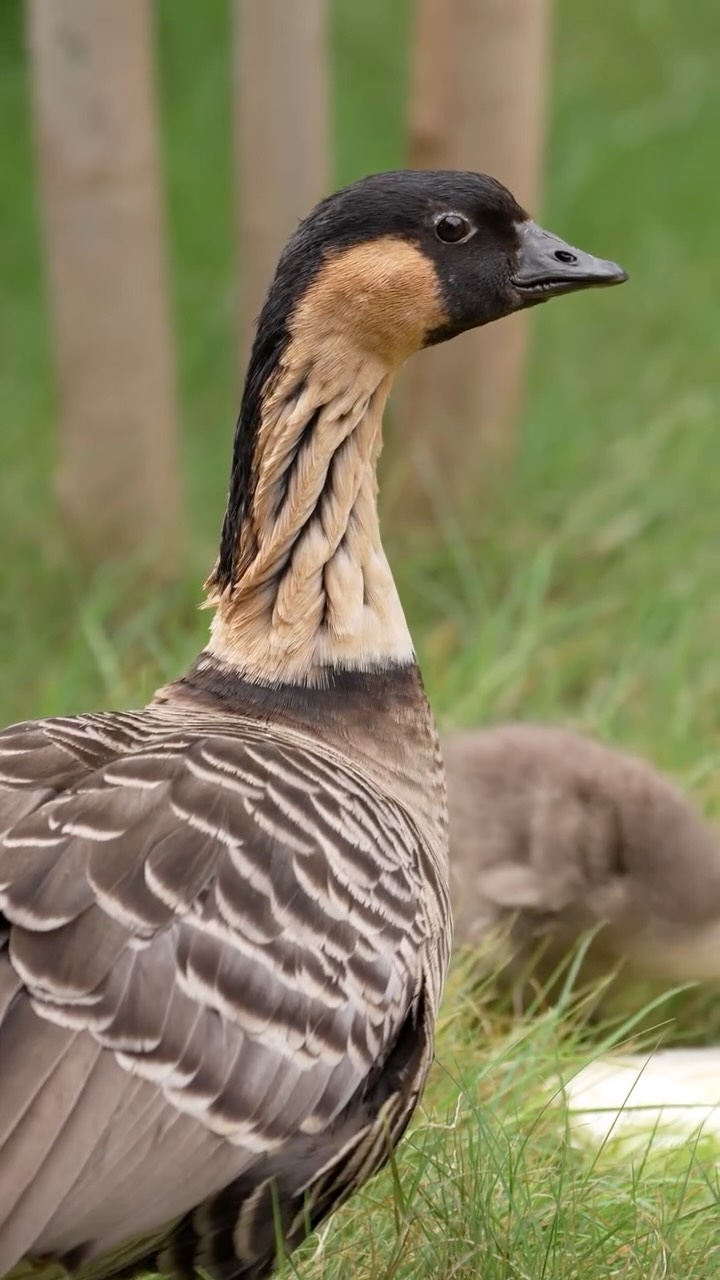
- The significance of the Hawaiian goose (nēnē) in conservation efforts.
- The historical context of the nēnē population decline and recovery.
- The role of San Diego Zoo Wildlife Alliance in promoting nēnē conservation.
- The specifics of nēnē breeding, nesting, and habitat requirements.
- The future of nēnē and ongoing conservation initiatives.
The Hawaiian goose, known as the nēnē, is emblematic of successful conservation efforts in wildlife management. As Hawai‘i’s state bird, the nēnē is not just a symbol of beauty but also resilience. Its story reflects the ups and downs of conservation efforts that have spanned decades, particularly in the San Diego Zoo Wildlife Alliance. Through dedicated initiatives, the nēnē has emerged from the brink of extinction to a more stable population, showcasing what collective action can achieve.
Historically, the nēnē faced severe population decline due to habitat loss, predation, and human interference. In the early 20th century, the species dwindled to only around 30 individuals in the wild. This dire situation called for urgent intervention. Conservation efforts were laser-focused on habitat restoration, breeding programs, and reintroduction to its native lands. The significance of the nēnē in Hawaii cannot be overstated; as a vital component of the ecosystem, its recovery plays a crucial role in maintaining ecological balance.
The San Diego Zoo Wildlife Alliance has been a pivotal player in the nēnē conservation initiative. Since 1976, the Safari Park has worked to enhance the species’ survival. Their efforts include breeding programs that prioritize genetic diversity, research on habitat needs, and the reintroduction of juvenile and adult nēnē into their natural habitats in Hawaii. The organization’s experience in breeding exotic and endangered species has led to successful outcomes for the Hawaiian goose, helping to bolster its populations both in captivity and the wild.
Breeding and nesting behaviors of the nēnē are critical to understand for effective conservation. Nēnē typically build their nests on the ground in remote areas, often near their feeding grounds. They prefer sparse vegetation, which provides necessary camouflage from predators. The timing of breeding mainly coincides with the rainy season in Hawaii, which allows for abundant food resources essential for raising goslings. Female nēnē lay clutches of two to five eggs, which she incubates carefully. After about 30 days, the goslings hatch and are precocial, meaning they are relatively mature and can walk and forage soon after hatching.
The adaptation of the nēnē to its environment is intriguing. Unlike many other goose species, the nēnē has developed a graceful ability to navigate various terrains, including lava fields and rocky landscapes. Their diet mainly consists of grass, fruits, and leaves, making them herbivorous. The nēnē is uniquely suited to its environment, having evolved to thrive in the diverse ecosystems of the Hawaiian Islands. This adaptation highlights the ecological importance of the species, as it plays a role in seed dispersal and maintaining vegetation health.
Conservationists widely recognize the importance of education and community engagement in the nēnē recovery efforts. Programs around the San Diego Zoo Wildlife Alliance not only focus on breeding but also on educating the public about the challenges faced by the species. Such initiatives create awareness and foster a sense of stewardship among local communities. Programs that allow visitors to interact with and learn about the nēnē help to underscore the importance of ongoing conservation. This community involvement is crucial, as it encourages future generations to participate in preserving their natural heritage.
As the nēnē continues to recover, various initiatives are underway to ensure its long-term survival. Ongoing research into habitat preferences and responses to climate change is vital for planning future conservation strategies. The reintroduction of nēnē to more islands in Hawaii is a goal of many conservation organizations. Monitoring these populations in the wild will provide invaluable data that can guide future efforts and interventions.
The story of the nēnē is not just one of survival but also one of adaptation and resilience in the face of adversity. The collective efforts of organizations like the San Diego Zoo Wildlife Alliance highlight the power of committed conservation work. Through targeted breeding programs, habitat restoration, and public education, remarkable progress has been achieved in bringing the nēnē back from the brink.
In summary, the achievements in nēnē conservation serve as a model for other endangered species recovery projects. It illustrates how strategic planning, community involvement, and scientific research can lead to meaningful outcomes. The ongoing story of the nēnē reflects our shared responsibility to protect and conserve the diverse species that enrich our natural environments. The ongoing efforts will continue to be crucial in mitigating threats and ensuring the longevity of the Hawaiian goose.
The nēnē’s journey is a testament to resilience. As this iconic bird takes its place in its natural habitat, the very fabric of Hawaii’s ecosystems remains intact and flourishes. Community engagement and awareness will play an enabling role in shaping a future where the nēnē population thrives, ensuring that this beautiful species remains a part of the Hawaiian landscape for generations to come.
*****
Source Description
Check these chicks out 🐣
The Hawaiian goose, or nēnē, holds a special place in San Diego Zoo Wildlife Alliance history. Since 1976, the Safari Park has been helping their populations thrive and reintroducing this incredible species to the Hawaiian Islands. As Hawaiʻi’s official state bird, the nēnē is a symbol of resilience and recovery. Once down to just 30 individuals in native habitats, they’ve made a remarkable comeback through dedicated conservation efforts.
These goslings will soon join the gaggle at the Village Marsh habitat, another proud chapter in this ongoing story.
