
- The significance of Easter and its connection to wildlife conservation.
- Introduction to Hogan, Casey, and Flounder: the Easter seal recipients.
- Insights into seal care and management at the zoo.
- The nutritional needs of seals and the role of treats in their diet.
- The importance of public engagement and education in animal conservation.
Easter is a time filled with joy and celebration, marking renewal and hope. This holiday also emphasizes the importance of wildlife conservation, offering a chance to draw attention to the plight of many species around the globe. As people celebrate with family and friends, there’s also an opportunity to understand more about the creatures with whom we share our planet. Animal care facilities use this festive time to enhance public awareness and appreciation for their inhabitants.
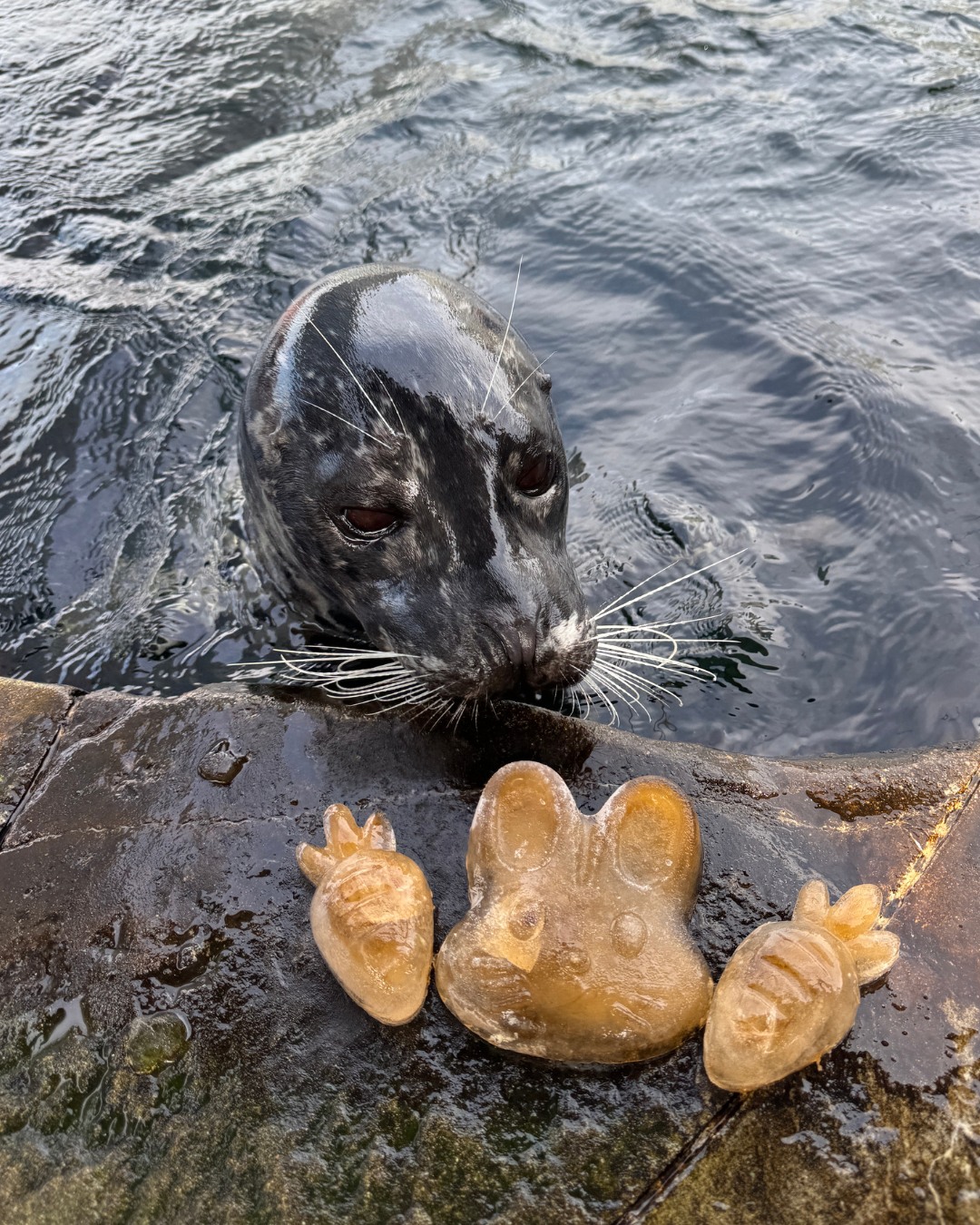
Hogan, Casey, and Flounder are three charming seals that play a significant role in educating the public about marine life. They received special treats from the Easter seal, a delightful gesture that highlights their important place within zoo outreach programs. Each animal contributes to engaging visitors through their unique behaviors and needs. Understanding these animals helps build a bridge between people and the marine world.
Zoo management takes a scientific and caring approach to seal care. Senior Animal Care Specialist Katie and her team focus on creating a fulfilling environment for Hogan, Casey, and Flounder. They utilize species-specific knowledge to customize care protocols. Appropriate habitat design, enrichment activities, and nutrition are crucial components of successful animal care routines in zoological institutions.
When caring for seals, one must be aware of their specific dietary needs. Hogan, Casey, and Flounder enjoy a diet consisting of fish, squid, and other marine life, reflecting their natural feeding habits. Treats, such as those given during Easter celebrations, play an essential role in maintaining their health and stimulating natural behaviors. These treats are often used as part of training exercises, allowing keepers to promote positive reinforcement and environmental enrichment.
Training sessions raise awareness and provide visitors with the chance to learn how animal care combines science with interactive engagement. Educational demonstrations showcase the seals’ skills, reflecting their natural behaviors in a controlled environment. This exposure aids in building a solid foundation for visitors who may become advocates for wildlife conservation.
Public participation and engagement in zoological activities also promote a healthy culture of conservation. Initiatives like the Easter seal showcase the ongoing efforts to educate the public about marine ecosystems. As people visit the zoo and witness the animals and the care given to them, they gain insight into marine life challenges and how they can contribute positively to conservation efforts.
Motivating visitors to understand wildlife goes beyond just seeing animals; it encapsulates experiencing what animals go through in their habitats. This experience fosters empathy for wildlife and encourages individuals to take actionable steps toward conservation. Whether by supporting legislative initiatives or simply spreading awareness about marine conservation, visitors are inspired to become stewards of the environment.
Marine life, just like terrestrial species, faces various threats, including habitat loss, pollution, and climate change. Animals such as Hogan, Casey, and Flounder serve as ambassadors for their species, helping to humanize the challenges these creatures endure daily. The seasonal celebrations in their honor, such as the Easter seal treats they receive, remind us that every effort counts in the fight for conservation.
Zoo management practices are often scrutinized for their implications on animal health and learning. The knowledge obtained through consistent animal care reflects a commitment to ethical standards. This includes not just meeting physical health requirements but also ensuring mental stimulation—integral for social animals like seals. Engaging in activities that reflect their natural behavior, such as foraging, becomes vital for their well-being.
Each species has its own set of behaviors that contribute to its health in the wild. Understanding these nuances allows zookeepers to provide more than just basic care. It offers an enriched life for seals and other animals alike. Through techniques such as positive reinforcement training, keepers encourage natural behaviors, which can be rewarding both for the animals and the staff.
Nutrition forms a cornerstone of wildlife care. Hogan, Casey, and Flounder enjoy a balanced diet, which is critical for maintaining health. Special treats and different food types serve as rewards during training. These treats are not just indulgences; they provide opportunities to reinforce training goals while promoting natural behaviors.
Easter celebrations designate a special time to appreciate not just the treats but the entire life of the seals. The interactions between the animals and staff showcase the careful planning involved in creating a supportive environment for these creatures. By watching the seals as they celebrate, visitors get a glimpse into the intricacies of animal care and the principles of animal husbandry.
Public outreach, education, and active engagement create a synergistic relationship that fosters a community of conservationists. The mixture of joy during festive occasions and the gravity of understanding critical environmental issues work together to inspire hope. The efforts made for the seals do more than provide joy in the moment; they form long-lasting impressions that extend beyond the zoo’s walls.
The Easter seal initiative is a perfect example of how to integrate celebration with education. It serves as a unique opportunity for everyone to reflect on wildlife’s role and the ongoing efforts to preserve marine ecosystems. This approach cultivates an appreciation for animals like Hogan, Casey, and Flounder, prompting critical dialogue about conservation challenges.
Through dedicated care and thoughtful planning, facilities showcase their commitment to ethical practices. The unique experiences provided by such initiatives instill values in visitors that can lead to a lifetime of caring for the environment. The more we learn, the more proactive we can become in the fight against extinction and habitat degradation.
Caring for seals is not merely an exercise in providing food and shelter. It is about creating a compassionate, educational atmosphere where animals can thrive while educating the public. This holistic approach nurtures a chain of awareness that flows from the zoo to the broader community.
In summary, the celebration around Hogan, Casey, and Flounder during Easter highlights the significance of animal care and conservation. The role of public engagement cannot be overstated in fostering an appreciation for wildlife and the environment. Initiatives like these are critical in cultivating a culture of stewardship. By actively participating, individuals can contribute to the vital movement of wildlife conservation, inspired by the joy and learning that events like the Easter seal create.
*****
Source Description
Happy Easter! Hogan, Casey and Flounder got some treats from the Easter seal 🐰🦭
📸: Senior Animal Care Specialist Katie
