
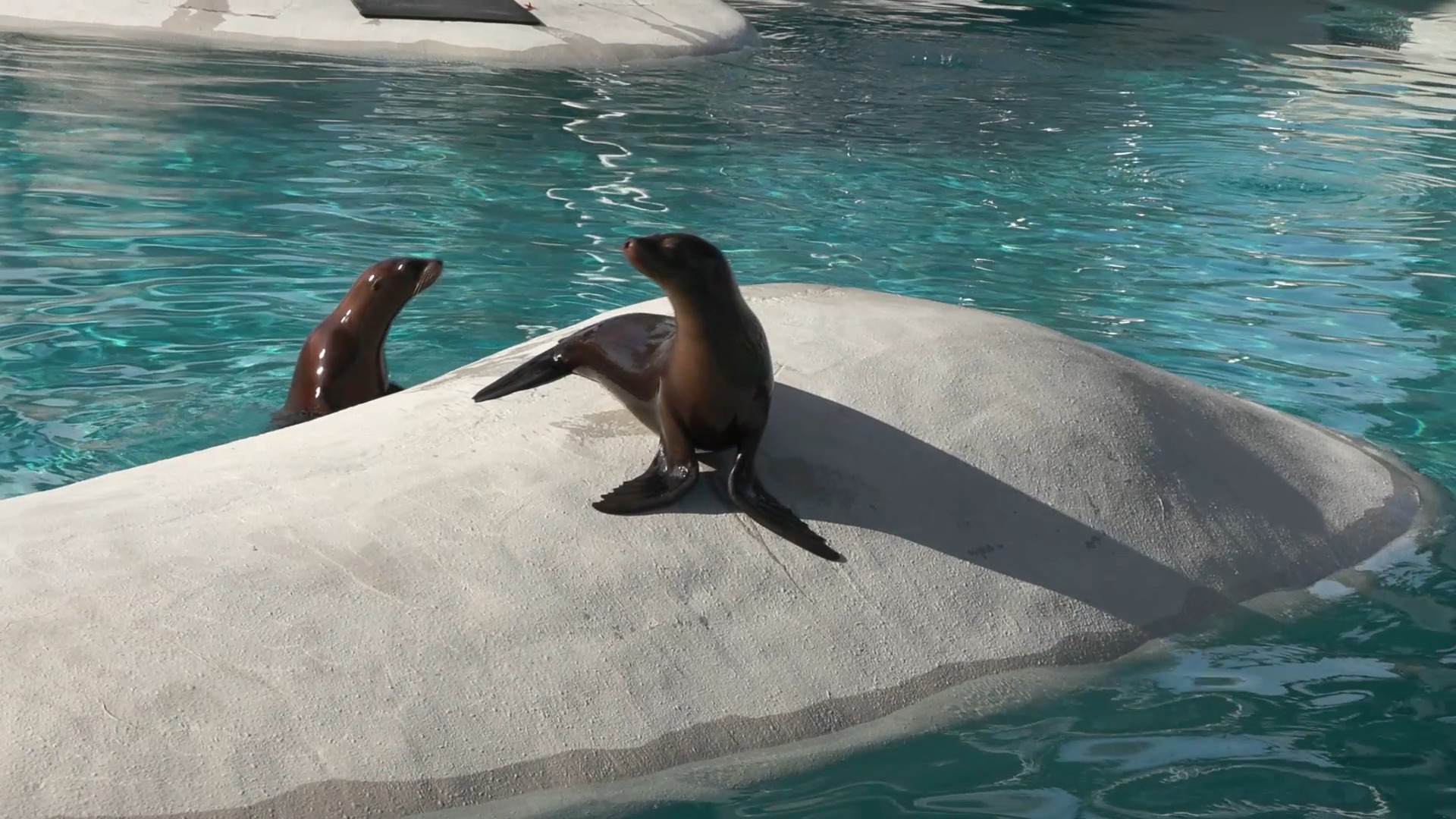
- Introduction to Nimbly and Cassidy, the new California sea lions at the Zoo
- Background and significance of sea lions in the ecosystem
- Details on sea lion behavior and social structure
- Importance of zoo management in animal care and conservation
- Opportunities for public engagement and education through the Sea Lion Splash program
Meeting California Sea Lions: The Arrival of Nimbly and Cassidy
The Zoo’s latest residents, Nimbly and Cassidy, are 1-year-old California sea lions that recently came from SeaWorld Orlando. Both female sea lions spent their first month in a behind-the-scenes habitat, allowing them to acclimate to their new surroundings. After this adjustment period, we are excited to announce their successful introduction to the existing sea lion residents: Luna, Pepper, and Delilah. This introduction marks a significant step forward for both the newcomers and the established social group.
California sea lions are a species native to the West Coast of North America. They are known for their agility in the water and sociable nature, which makes them popular attractions at aquariums and zoos. Nimbly and Cassidy’s smaller stature distinguishes them from older sea lions. Cassidy’s fur exhibits a reddish hue that becomes more apparent in sunlight, while Nimbly’s coat is a soft blonde and she has a longer snout. These visual differences can help visitors identify the new additions during their daily activities.
Understanding the Role of Sea Lions in the Ecosystem
California sea lions play an important role in their natural habitats. As marine mammals, they are skilled predators that primarily feed on fish and invertebrates. Their hunting behavior influences the populations of these species, thereby helping to maintain the ecological balance in marine environments. Their presence indicates a healthy ocean ecosystem, which benefits both marine life and human communities.
In recent years, California sea lions have faced threats such as overfishing, climate change, and habitat degradation. Conservation efforts are critical to ensuring their survival in the wild. Zoos and aquariums play a part in these efforts by providing safe, controlled environments where animals can thrive while also educating the public about their ecological significance. The move of Nimbly and Cassidy to the Zoo provides an excellent opportunity for visitors to learn about these animals and their habitats.
Social Structures and Behavior Among California Sea Lions
Sea lions are highly social animals and thrive in groups, often referred to as colonies. These groups are not only a means of social interaction but also serve essential functions, such as cooperative breeding and sharing of resources. Nimbly and Cassidy’s successful introduction to Luna, Pepper, and Delilah indicates a healthy social dynamic at the Zoo.
Pepper has taken particularly well to the newcomers, showcasing playful behaviors like porpoising alongside them. This type of interaction is vital for building social bonds and teaching younger sea lions social skills. In the wild, young sea lions learn through observation and participation in group activities. It’s enriching to see Pepper’s enthusiasm as she plays, which is representative of natural behaviors that help maintain a thriving colony.
Daily interactions not only enhance the lives of the sea lions but also provide visitors excellent viewing experiences. Guests can observe how these social interactions unfold during the daily Sea Lion Splash program, held at 1:45 PM. The program offers insights not only into the animals’ behaviors but also into their habitats, diets, and conservation needs.
Zoo Management and Animal Care
Effective zoo management is crucial in ensuring the well-being of animals. Nimbly and Cassidy’s transition from SeaWorld to the Zoo exemplifies the careful planning and dedication that goes into managing animal welfare. Upon arrival, they were provided with appropriate care, including a balanced diet and enrichment activities that stimulate their physical and mental health.
The staff meticulously monitors their health and behavior to ensure that both newcomers and established residents adapt well to their shared space. Animal care professionals conduct regular health checks and assessments to keep the sea lions in optimal condition. Public engagement is an integral part of this process. By providing educational opportunities, the Zoo informs visitors about the importance of responsible animal care and wildlife conservation.
Conservation and Public Engagement through Sea Lion Splash
One of the highlights of visiting the Zoo is the Sea Lion Splash program. This program goes beyond entertainment; it serves as an educational platform. Attending the program allows the public to witness firsthand the intelligence and agility of these sea lions. Educational talks during the event elaborate on their natural behaviors, habitats, and conservation status.
By participating in such programs, visitors become more aware of the challenges facing sea lions in their natural homes. They are encouraged to support conservation initiatives that aim to protect marine habitats and reduce human impact on ocean ecosystems. This collective effort can lead to tangible improvements for California sea lions and their environments.
Moreover, programs like Sea Lion Splash help generate funding that supports conservation projects and educational outreach. The funds raised from attendance fees can be vital for ongoing research and hands-on initiatives aimed at improving sea lion populations.
Encouraging Responsible Practices
The narrative surrounding Nimbly and Cassidy is more than a tale of new residents at the Zoo; it reflects ongoing discussions about wildlife conservation and the role humans play in preserving animal species. Education and awareness create a ripple effect that can lead to increased support for conservation initiatives.
By understanding the challenges that sea lions encounter, visitors can adopt more responsible practices in their daily lives. Small changes, such as reducing plastic usage or supporting sustainable seafood sources, can benefit marine ecosystems. Each person plays a part in ensuring the future of these magnificent animals.
Connecting with the Community
The arrival of Nimbly and Cassidy provides an excellent opportunity to connect with the surrounding community. Events and educational programs can be enhanced to include school groups, families, and individuals passionate about wildlife. Engaging the local community in conservation education not only enriches their lives but also fosters a sense of responsibility toward nature.
Collaborations between the Zoo and schools can offer hands-on learning experiences, ranging from field trips to volunteer opportunities. These partnerships encourage young people to explore careers in zoology and conservation, thereby inspiring the next generation of environmental stewards.
Conclusion
The introduction of Nimbly and Cassidy to the Zoo is an invaluable addition, both for the animals and the visiting public. By offering insights into their behaviors and ecological importance, the Zoo engages visitors in a way that promotes awareness and action. As we watch Nimbly and Cassidy thrive in their new home, it serves as a reminder of our responsibility to protect not just sea lions but all wildlife for generations to come.
*****
Source Description
We can’t wait for you to SEA two of the Zoo’s newest residents! Meet Nimbly and Cassidy, 1-year-old California sea lions that recently were transferred from @seaworldorlando. The gals spent their first month at the Zoo in a behind-the-scenes habitat, but we are thrilled to announce they have officially met the other sea lion residents, Luna, Pepper, and Delilah, and can now be seen daily at the Sea Lion Splash pool. Pepper has taken a fast liking to the new girls, and you’ll often see her porpoising and playing with Nimbly and Cassidy.
You’ll be able to identify the two newcomers primarily from their smaller stature. Cassidy has a bit more of a red coloration to her fur (particularly in the sun), while Nimbly has a blonder color and longer nose. Be sure to attend the daily Sea Lion Splash program at 1:45 pm to learn more!
