
- The importance of crane conservation in Alabama and Tennessee
- Overview of the upcoming crane festivals
- Key species of cranes found in the southeastern United States
- Conservation efforts and programs to protect cranes
- Engagement opportunities at the festivals
Crane conservation plays a significant role in maintaining healthy ecosystems and serves as an important endeavor for wildlife enthusiasts. In Alabama and Tennessee, two annual crane festivals shine a spotlight on these magnificent birds, providing engaging experiences for attendees while promoting conservation efforts. Attending the Festival of the Cranes and the Sandhill Crane Festival helps raise awareness about the ecological significance of cranes and the need for their protection.
The Festival of the Cranes at Wheeler National Wildlife Refuge takes place from January 9 to 11 in Decatur, Alabama. Situated along the Tennessee River, this refuge provides a vital habitat for cranes, particularly during their migration patterns. This festival offers a wonderful opportunity to observe thousands of Sandhill Cranes (Grus canadensis) congregating in the area, as they stop to feed and rest. Visitors can engage in birdwatching, educational programs, and discussions around crane conservation. The Wheeler Refuge Association hosts the event, facilitating informative exhibits and opportunities to learn from experts in the field.
Similarly, the Sandhill Crane Festival in Birchwood, Tennessee, will take place from January 17 to 18. This area is known for its central location along the migratory flyway, providing essential resources for cranes during their journey. The festival features activities such as guided crane watching tours, educational booths, and presentations that highlight crane biology and ecology.
Key to both festivals is the chance to connect with experts who are contributing to crane conservation efforts. Noteworthy speakers include Dr. Rich Beilfuss, President and CEO of the International Crane Foundation; Dr. Andy Caven, Vice President of North America Programs; and Anne Lacy, Director of Eastern Flyway Programs. Their insights into crane ecology, population trends, and conservation strategies will provide attendees with valuable knowledge.
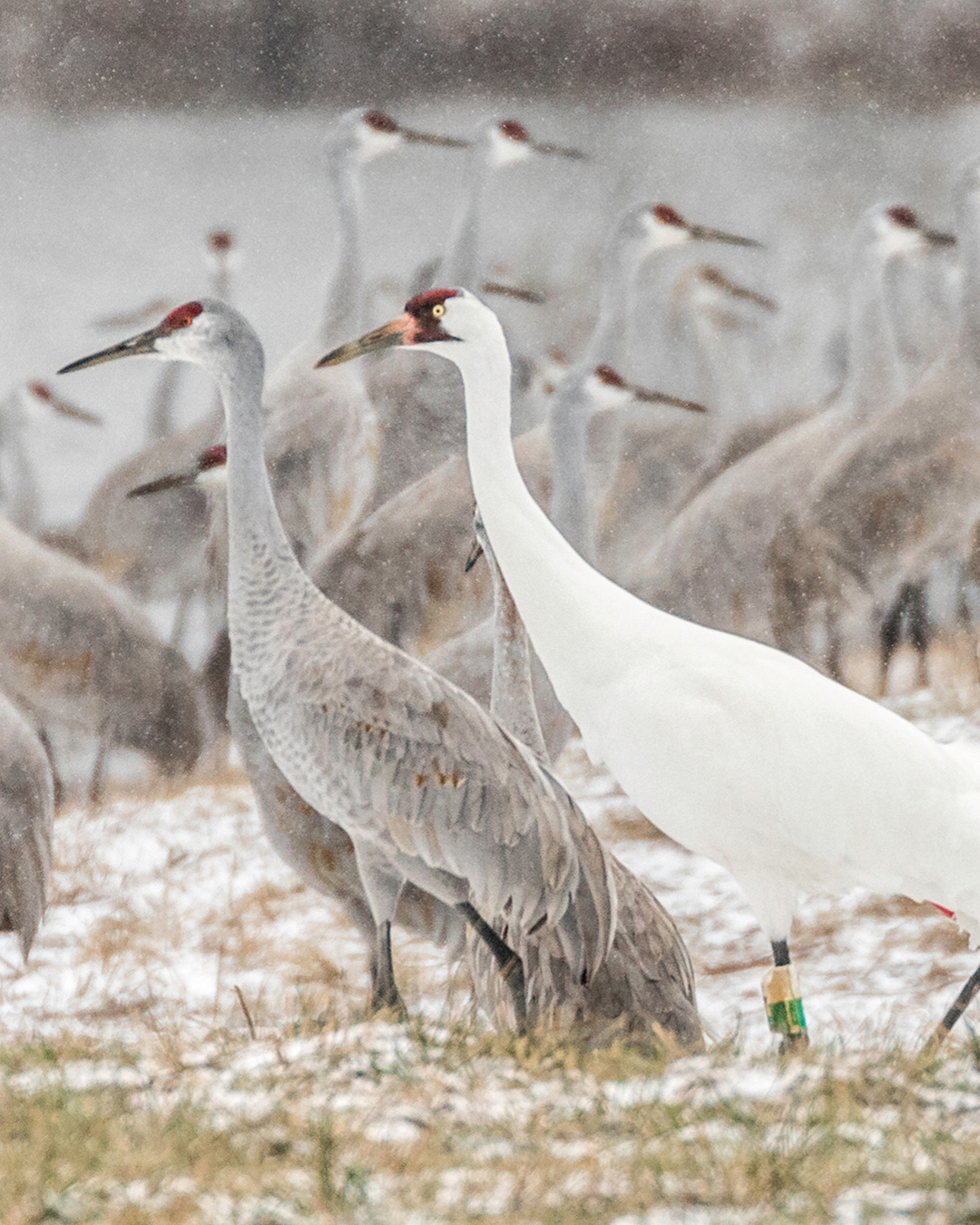
Among the cranes commonly found in the southeastern United States, the Sandhill Crane holds a pivotal role. This species is recognized for its impressive size and striking appearance, with a wingspan that can reach up to seven feet. Sandhill Cranes are characterized by their long legs and distinctive trumpeting calls, which echo across wetlands. These birds primarily inhabit grasslands, wetlands, and agricultural fields, where they search for food such as seeds, grains, and small insects.
Another important crane species in the region is the Whooping Crane (Grus americana), which is critically endangered. Once numbering only about 15 individuals in the 1940s, concerted conservation efforts have helped restore their population to over 800 birds today. The successful reintroduction of this species is a testament to the dedication of wildlife organizations and volunteers who work tirelessly on habitat restoration and breeding programs. Humans must continue to combat threats such as habitat loss, hunting, and climate change to secure a future for all crane species.
Both festivals emphasize the importance of engaging the community in conservation efforts. Educational exhibits at the Festival of the Cranes will showcase North American crane conservation programs and highlight ongoing research projects. These displays aim to provide an interactive learning experience for all ages. Children can participate in scavenger hunts, building an early appreciation for wildlife conservation.
In Tennessee, the Sandhill Crane Festival offers similar educational experiences. Staff members will be available to discuss local crane populations, migration patterns, and challenges facing these birds today. By focusing on how individuals can make a positive impact, the festival aims to foster a deeper understanding of crane conservation among attendees.
At both events, volunteers play a crucial role in organizing activities and assisting visitors. Engagement opportunities are plentiful, from hands-on activities aimed at younger audiences to in-depth discussions for seasoned birdwatchers and conservationists. Whether visitors are looking to deepen their connection with the environment or simply enjoy a day of birdwatching, there is something for everyone at these festivals.
To enhance the experience, the festivals may include guided walks to observe cranes in their natural habitat. Participants can witness the spectacle of thousands of birds taking flight or returning to roost at sunset, leaving a lasting impression. These excursions offer not just an aesthetic connection to nature but also an opportunity to gain knowledge about the ecosystems supporting crane populations.
In addition to education, these festivals inspire advocacy for crane conservation initiatives. Information booths feature ways individuals can support local conservation efforts through donations, volunteering, or participating in citizen science projects. Advocating for policies that protect habitats and encourage sustainable practices plays an essential role in preserving crane populations.
Both festivals also serve to highlight the collaborative conservation work happening in the southeastern United States. Conservation organizations often work closely with state and federal agencies to implement strategies aimed at habitat preservation and restoration. Such partnerships are critical in addressing the broader issues affecting crane populations, including land use changes and climate influence.
Scientific research forms the backbone of effective crane conservation strategies. Ongoing studies examining migration patterns, population dynamics, and habitat requirements provide essential data that informs conservation decisions. Collaboration among scientists, conservationists, and policy-makers is necessary to ensure that conservation efforts are based on sound science.
As these festivals approach, one can look forward to a wealth of knowledge and opportunities to engage with experts, discover ecological wonders, and participate in the collective mission of conserving crane populations. Whether you are a first-time visitor or a seasoned bird enthusiast, your attendance makes a difference in spreading awareness about the critical need for crane conservation in Alabama and Tennessee.
The upcoming Festival of the Cranes at Wheeler National Wildlife Refuge and the Sandhill Crane Festival in Birchwood, Tennessee, promise to be valuable events for anyone passionate about wildlife conservation. Mark your calendars for these gatherings that celebrate cranes and their habitats, fostering a sense of community and shared responsibility in preserving these magnificent birds for generations to come.
Your participation amplifies the message of crane conservation, inspiring a collective effort to protect the habitats that these important species depend on. Join fellow enthusiasts, experts, families, and children as you celebrate the beauty and significance of cranes in the natural world. With the right knowledge, support, and dedication, we can collectively work toward a brighter future for cranes and the ecosystems they inhabit.
*****
Source Description
Alabama and Tennessee craniacs—make plans in the new year to attend to upcoming annual crane festivals:
✔️ Festival of the Cranes at Wheeler National Wildlife Refuge in Decatur, Alabama, Jan. 9-11. Learn more @wheelerrefugeassociation
✔️ Sandhill Crane Festival in Birchwood, Tennessee, Jan. 17-18.
Stop by our exhibit at both festivals to learn about our North American crane conservation programs, and don’t miss our staff presenters in Alabama: President and CEO Dr. Rich Beilfuss, Vice President of North America Programs Dr. Andy Caven, and Director of Eastern Flyway Programs Anne Lacy. We’ll see you there!
📸 Snow dusts wintering cranes at Wheeler National Wildlife Refuge. Photo by George Lee
