
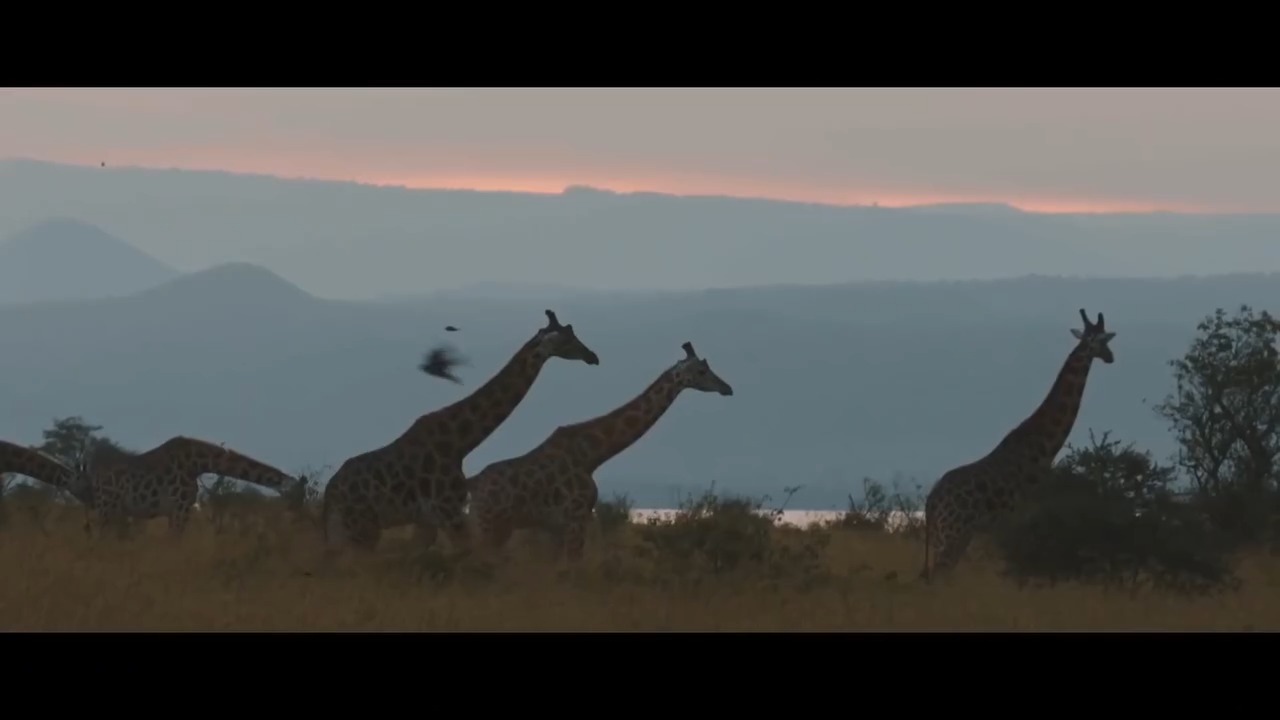
- Feeding giraffes supports conservation efforts in Africa.
- The significance of Conserfari Tours in wildlife management.
- The role of Spekboom Lodge in ecological preservation.
- Overview of giraffe conservation and the Giraffe Conservation Foundation.
- The importance of public engagement in wildlife conservation.
Feeding giraffes provides a wonderful opportunity for visitors, but it serves a larger purpose beyond enjoyment. Giraffes are currently facing numerous challenges in the wild, including habitat loss, poaching, and declining populations. By engaging in feeding experiences at places like the San Antonio Zoo, guests contribute to the funding necessary for crucial conservation programs. Giraffe populations in Africa have been declining rapidly, and efforts to rehabilitate and monitor their health require financial backing. When visitors donate, they directly impact conservation strategies aimed at ensuring the survival of these majestic animals.
Conserfari Tours represent a fusion of entertainment and education. During these tours, participants have the opportunity to observe wildlife up close in a carefully managed environment. These excursions aim to promote awareness around wildlife preservation, making guests conscious of the precarious state of many species, including giraffes. The immersive experience allows individuals to connect with nature while simultaneously learning about ecological practices. Education and conservation must work hand-in-hand, and programs like Conserfari Tours provide that platform. The insights gained during these tours can also inspire visitors to advocate for wildlife protection in their own communities.
Staying at Spekboom Lodge serves a dual purpose: providing a comfortable accommodation option while actively contributing to conservation efforts. The lodge emphasizes sustainable practices that align with conservation initiatives. For example, part of the proceeds generated from visitors’ stays contribute to various wildlife conservation projects. These efforts often include habitat restoration, species monitoring, and anti-poaching measures that can significantly benefit giraffe populations in Africa. This kind of eco-conscious lodging allows travelers to engage in responsible tourism, reminding them that their choices can positively affect wildlife and ecosystems.
The Giraffe Conservation Foundation plays a pivotal role in safeguarding the future of giraffe populations across Africa. Established to address the growing challenges these animals face, the organization works on numerous initiatives, such as habitat protection, community engagement, and research projects. Their targeted efforts contribute to a healthier environment for giraffes and promote awareness of their plight. By partnering with zoos and organizations like the San Antonio Zoo, the Giraffe Conservation Foundation enhances its outreach and effectiveness. This collaboration is vital for advancing comprehensive conservation strategies that can adapt to the distinct needs of various giraffe species.
Public engagement in wildlife conservation cannot be overstated. It is not just about observing animals in captivity; it’s about fostering a sense of stewardship among individuals. Programs that involve feeding giraffes, taking part in tours, and spending time at lodges that support conservation serve to educate and galvanize the public. The involvement of everyday citizens is crucial for driving conservation efforts forward. With increased awareness, individuals are more likely to advocate for wildlife policies, support conservation organizations, and participate in sustainable practices in their own lives.
Engaging with giraffes in dynamic ways, such as through feeding or guided tours, transforms static zoological experiences into interactive learning opportunities. This interaction creates a deeper emotional connection with the species, making it easier for individuals to recognize the urgent need for conservation. Through hands-on experiences, guests learn not just about giraffes, but also about their ecosystems, their behaviors, and the pressures they face. Each visit can be seen not only as entertainment but also as a vital educational encounter that fosters empathy towards wildlife.
Ultimately, the plight of giraffes raises critical questions about habitat loss and ecological balance. In Africa, these splendid animals play a vital role in their ecosystems. Their grazing habits can shape vegetation patterns and influence other species’ habitats. With their numbers dwindling, the ecological consequences are profound. Zoos and lodges that prioritize conservation contribute to the dialogue surrounding these issues. Conservation is a multi-faceted endeavor that requires coordination among various entities, including zoos, local communities, and international organizations.
When visiting places that focus on giraffe conservation, individuals often leave with a greater understanding of their role within broader ecological interactions. Educational materials and programs available in zoos and lodges serve to deepen this understanding, providing facts and statistics about giraffe populations and conservation statistics. The ability to articulate these details enhances community conversations and advocacy efforts related to wildlife conservation.
Funding for conservation is a critical issue, and experiences like those at the San Antonio Zoo directly address this need. Revenue generated from feeding experiences, tours, and stays at supporting lodges goes directly into vital initiatives aimed at preserving wildlife. Conservationists often underscore the importance of continued financial support for research and habitat preservation, which serve as the foundation for successful conservation efforts.
Research into giraffe populations has uncovered alarming trends—some populations have declined by nearly 40% in recent decades. Such findings highlight the urgency of targeted conservation strategies. Efforts being implemented by organizations like the Giraffe Conservation Foundation involve collaborative research with local wildlife authorities and communities. By gathering data and employing innovative tracking techniques, conservationists gain critical insights that can guide future interventions.
Community involvement represents another cornerstone of giraffe conservation. By engaging local populations in conservation efforts, lasting change can occur. Education initiatives that illustrate the benefits of healthy ecosystems encourage locals to invest in preserving wildlife. When communities see the economic advantages of tourism centered around conservation, they are more likely to protect species like giraffes that contribute to their livelihoods.
Giraffes are often seen as a symbol of Africa’s wildlife—their long necks and gentle demeanor evoke admiration and curiosity. This affinity can be harnessed to foster conservation awareness among a wide audience. Educational programs and social media campaigns serve to engage a younger demographic, ensuring the future generation understands the importance of wildlife conservation.
Moreover, partnerships between zoos and conservation organizations amplify the total impact on giraffe populations. Many zoos collaborate on conservation programs, sharing resources and knowledge to bolster their efforts. These partnerships provide a framework for innovative strategies that address the multi-faceted challenges giraffes face in their natural habitats.
Another notable aspect of giraffe conservation is the potential for genetic studies to inform breeding programs. By utilizing genetic testing, conservationists can better understand the genetic diversity of giraffe populations. This data is essential for creating effective breeding strategies in captivity, which can ultimately aid in restoring healthier wild populations. Genetic diversity is crucial for species resilience and adaptation to changing environments.
In essence, every individual who feeds a giraffe, takes part in a Conserfari Tour, or stays at a conservation-supporting lodge plays an integral role in the broader narrative of giraffe conservation in Africa. These seemingly small actions contribute to a vast web of efforts aimed at ensuring giraffes not only survive but thrive. The interconnectedness of human activity and wildlife preservation reinforces the concept that every action has consequences, making public engagement in conservation an indispensable element of successful initiatives.
Through holistic and educational approaches, individuals can engage meaningfully with conservation. The collaboration between zoos, lodges, and conservation organizations exemplifies how conservational objectives can be achieved through partnership and community involvement. By participating in giraffe conservation, you are actively contributing to a larger movement focused on ecological balance, sustainable practices, and the safeguarding of magnificent species for future generations.
*****
Source Description
Did you know that when you feed a giraffe, ride on a Conserfari Tour, or stay at Spekboom Lodge at San Antonio Zoo you are contributing to giraffe conservation in Africa!
Learn more about our conservation partners Giraffe Conservation Foundation in this video.
