
- The significance of Halloween in wildlife enrichment
- The nutritional benefits of bell peppers for animals
- Goeldi’s monkeys: behavior and dietary needs
- The role of zoos in wildlife conservation and education
- Creative ways to incorporate enrichment activities in animal care
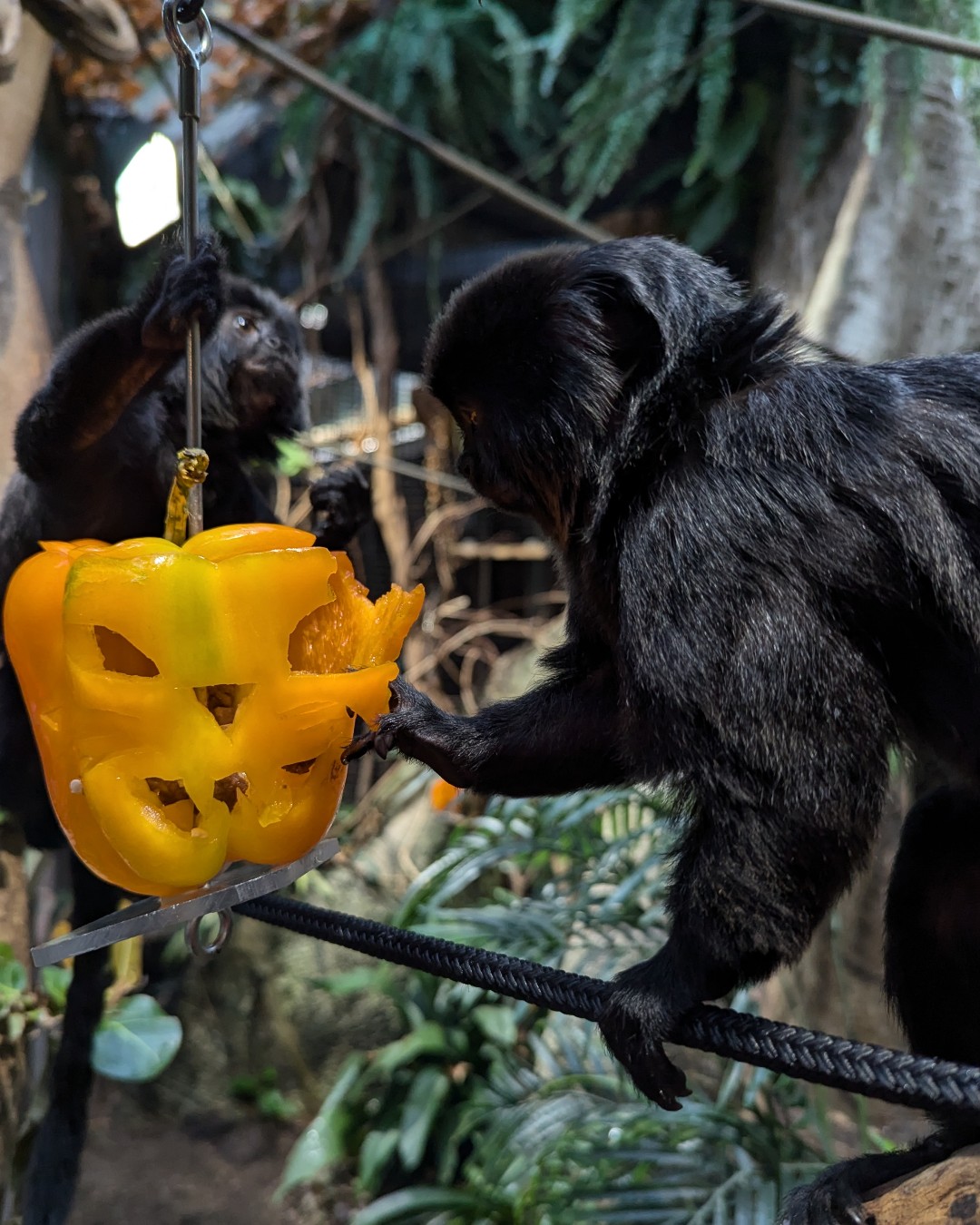
Halloween, with its playful spirits and spooky decorations, has evolved into a festive occasion enjoyed by many. In zoo settings, it also takes on a unique role beyond merely celebrating the season. The festival can serve as an opportunity for wildlife enrichment, particularly through creative food presentations. Among these, bell pepper jack-o’-lanterns stand out as an engaging way to enrich the environment for animals like Goeldi’s monkeys.
Creating jack-o’-lanterns from bell peppers offers both aesthetic appeal and practical benefits. These colorful, edible sculptures present a fun challenge for animals as they navigate their way to the food. Animals often require mental stimulation alongside their physical needs, and incorporating seasonal themes into their diets serves as an effective strategy to meet this demand.
Bell peppers are rich in essential nutrients. They provide a wide array of vitamins, particularly vitamin C, which is vital for the immune system. Minerals such as potassium further contribute to overall health. For species like Goeldi’s monkeys, who are primarily frugivores, this makes bell peppers an attractive and nutritious option. The bright colors and varied texture can stimulate their natural foraging behavior, prompting exploration and interaction.
Understanding the dietary needs of Goeldi’s monkeys is crucial for zoo management. These small primates, known for their social behavior and agility, thrive on a diet that includes fruits, leaves, and flowers. By offering bell peppers shaped like jack-o’-lanterns, caregivers not only enhance the presentation of food but also create an engaging foraging experience that can mimic their natural behavior. This type of enrichment is vital in animal care practices; it prevents boredom and promotes mental well-being.
Zoos play an essential role in wildlife conservation and education. Beyond showcasing animals, modern zoos work to educate the public about species preservation and the importance of biodiversity. Initiatives often include outreach programs that stress the significance of protecting natural habitats and understanding species like Goeldi’s monkeys, which are native to the Amazon basin. In facing extinction threats due to deforestation and habitat loss, public education can inspire action towards conservation.
Creative enrichment activities serve as a way for zoos to engage visitors while highlighting the care and attention paid to the animals’ needs. Bell pepper jack-o’-lanterns not only provide a nutritious snack but also draw attention during Halloween events. When the public observes monkeys interacting with festive items, it fosters a connection between animal behavior and conservation efforts.
Additionally, the presentation of food influences animal behavior in ways that go beyond simple nutrition. The challenge of manipulating objects, like the bell peppers carved into jack-o’-lanterns, encourages problem-solving skills. Animals often exhibit innovative techniques to access food. By watching such behaviors, visitors gain insights into the intelligence and adaptability of species like Goeldi’s monkeys.
These interactions can enhance their quality of life. With stress reduction being a critical aspect of animal husbandry, mental stimulation through interactive food preparation can lead to calmer and more engaged animals. This practice not only benefits the animals but also provides valuable educational opportunities for zoo staff and the public alike.
Incorporating seasonal themes into animal care is not limited to Halloween. Various holidays can inspire a variety of enrichment activities. For instance, making snowmen out of ice in the winter months or presenting fruits in shapes associated with holidays throughout the year can enhance the zoo experience. This approach encourages innovation and helps create a lively environment in which animals can thrive.
Zoo management can deploy these concepts as part of a broader strategy for wildlife conservation. By showcasing the significance of healthy diets and proper nutrition, zoos educate the public about the threats facing many animal species. Understanding dietary habits and their relation to health helps foster a deeper appreciation for wildlife. It showcases how dietary deficiencies can lead to broader ecological issues such as population decline.
As part of ongoing conservation efforts, the role of zoos in supporting field research can be emphasized. Many accredited zoos participate in collaborations with conservation organizations to study endangered species in their habitats. Sharing findings with the public encourages initiatives aimed at habitat protection and species survival both in situ and ex situ.
The enchanting idea of carving bell peppers into pumpkin-like shapes exemplifies how creativity can meet care in animal husbandry. Using vibrant seasonal produce for enrichment reveals not only how seemingly small actions can impact animal welfare but also their potential to inspire broader knowledge among visitors. When adults and children alike witness such engaging interactions, it cultivates an interest in wildlife and conservation efforts.
By fostering these environments in zoos, visitors develop empathy towards wildlife. Increased knowledge can lead to advocacy and direct action in local communities. Highlighting such relationships underscores the interconnectedness of ecosystems and the critical role every species holds within it.
Animal care practices that include enrichment via seasonal themes extend beyond mere entertainment. They embody a commitment to scientific preparation and thoughtful consideration of each species’s needs. In doing so, they pave the way for a new generation of conservationists, nudging individuals towards empathy and respect for the natural world.
In summary, the joyous occasion of Halloween can do more than entertain. Bell pepper jack-o’-lanterns act as tools for enrichment that elevate animal welfare while captivating zoo visitors. Not only do these practices address the dietary needs of species like Goeldi’s monkeys, but they also highlight the critical work in conservation education that modern zoos champion.
As zoos continue to innovate in their care and presentation of animal diets, they foster paths of inquiry and exploration. Each interaction reinforces a greater narrative about the natural world and humanity’s role in preserving it. Keeping environments engaging and educational is vital for wildlife and the public alike, making each Halloween a celebration of life, learning, and love for our planet.
*****
Source Description
Happy Halloween! Thankfully these bell pepper jack-o’-lanterns weren’t quite spooky enough to scare the Goeldi’s monkeys away from their snack!
