
- The significance of hoof care in herbivorous animals
- Understanding the anatomy and growth of Takin hooves
- The veterinary process involved in animal health examinations
- The role of zoo staff in animal health and welfare
- Best practices for maintaining animal comfort and well-being
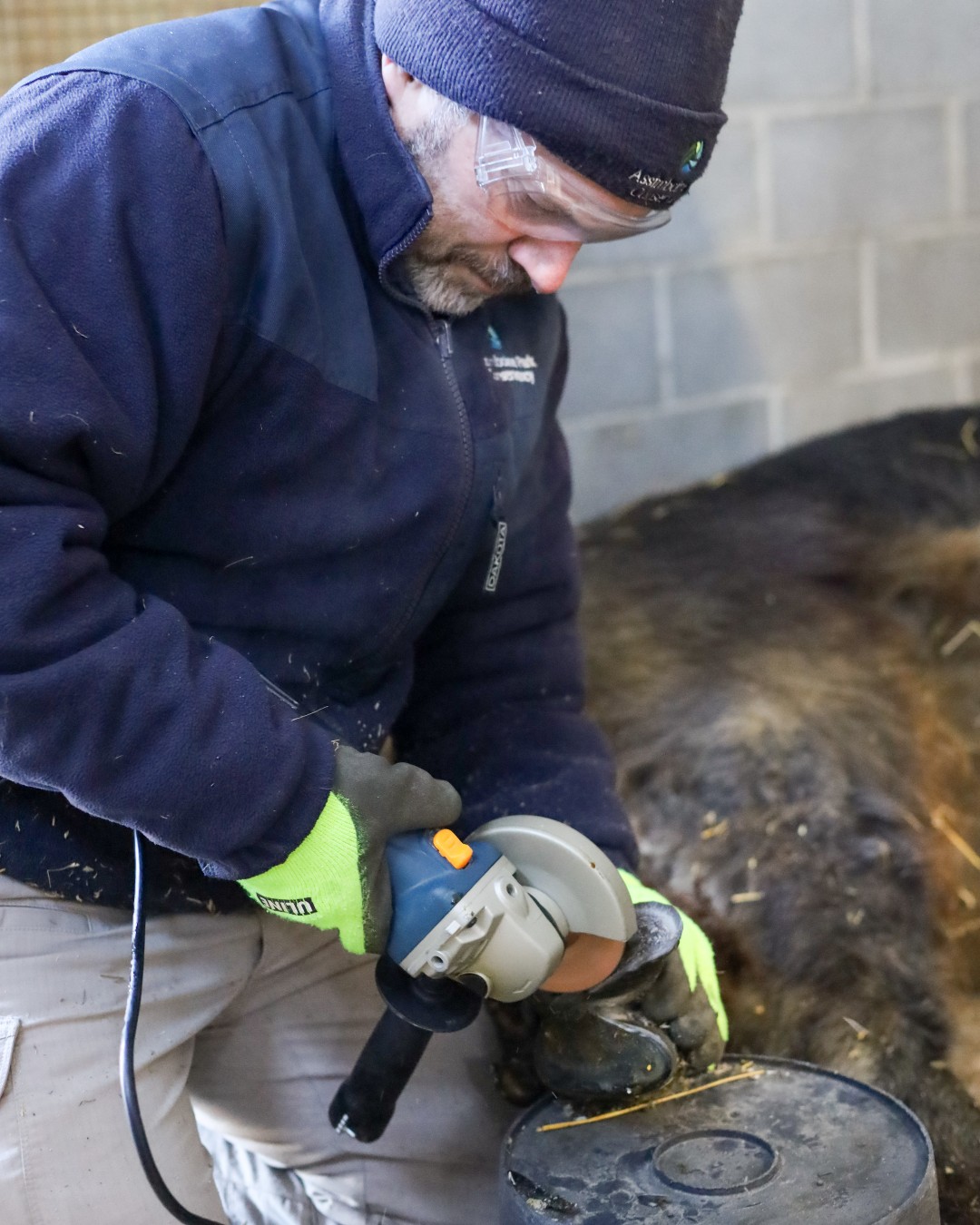
Hoof care plays a vital role in the overall health of herbivorous animals. In the case of the Sichuan Takin named Panda, regular hoof trimming is essential. Like human fingernails, hooves grow continuously. Without proper maintenance, elongated hooves can lead to discomfort and mobility issues in animals. By performing routine hoof trims, animal care professionals help ensure that Panda can navigate his habitat with ease. The consequences of neglecting hoof care can be dire, including chronic pain and potential injuries.
The anatomy of Takin hooves is fascinating. Takin, a goat-antelope species native to the mountainous regions of Asia, have large, sturdy hooves. These hooves are designed to support their considerable weight and provide traction on rocky terrain. Unlike domestic livestock, Takin hooves are not only larger but also grow in a unique manner, requiring specialized care. The hooves consist of a hard outer layer, similar to our fingernails, with a soft inner structure. Understanding this anatomy is crucial for the zoo’s veterinary team when considering how to manage hoof health.
The veterinary process for a routine hoof trim involves a coordinated effort among the staff. In Panda’s case, because hoof trims can be uncomfortable, they require sedation. Anesthesia allows the veterinary team to perform a thorough health exam that would otherwise be stressful or impossible. During this comprehensive evaluation, personnel checked Panda’s teeth, collected blood samples, and performed x-rays and ultrasounds. These examinations provide crucial insights into Panda’s overall health, especially as he ages and may require specialized care. Older animals often face various health challenges, making this kind of proactive management more important.
Zoo staff play an integral role in the well-being of animals. Their training and experience are indispensable when it comes to providing healthcare and performing procedures such as hoof trims. Each procedure is approached with care, ensuring that the animal remains calm and safe. From veterinarians to animal keepers, every member of the staff contributes to the success of health examinations and treatments. This teamwork is crucial in a zoo setting, where many animals undergo routine checks and treatments to monitor their health.
Maintaining animal comfort and well-being is a significant aspect of zoo management. After Panda’s hoof trim and health exam, he spent some time recovering in a cozy barn. This recovery phase is crucial as it allows the animal to regain full composure before returning to the outdoor habitat. Once Panda’s recovery was complete, he resumed his daily activities with comfortably trimmed hooves, demonstrating the importance of the veterinary team’s work.
The specific tools used for hoof care also set zoo practices apart from local nail salons. In Panda’s case, veterinary technicians employed manual hoof nippers and a more powerful grinder to maintain his hooves. These specialized tools are designed to manage larger and more robust hooves than what would typically be seen in a human setting. The use of such tools ensures that each trim is carried out effectively while minimizing stress for the animal.
Regular wellness exams extend beyond hoof care. A thorough examination allows the veterinary team to address multiple health aspects. This comprehensive approach leads to the early detection of potential problems. For example, abnormalities in blood samples may indicate underlying conditions that could require immediate attention. Additionally, dental health is critically evaluated, as oral issues can impact overall health and quality of life.
In general, the health of zoo animals often depends on ongoing monitoring and care. With aging animals like Panda, specialized interventions become increasingly important. Regular health evaluations allow keepers to tailor care plans according to the animal’s specific needs. As animals age, they may require more frequent assessments and adjustments to their diets or environments, particularly in cases where mobility is affected by hoof health.
The humane treatment of animals is a cornerstone of modern zoo practices. Animal welfare principles guide how zoos operate. Care protocols are designed to minimize stress and discomfort during medical examinations and treatments. By using sedation only when necessary and ensuring a calm environment during procedures, zoo staff prioritize the animal’s emotional and physical well-being.
Investigating broader conservation initiatives is also essential. Zoos today serve not only as places of recreation but also as centers for wildlife preservation and education. Public outreach programs often draw attention to endangered species and the challenges they face in the wild. By providing knowledgeable care for animals like the Sichuan Takin, zoos contribute to a larger narrative about species conservation and habitat restoration.
The unique adaptations of species like the Takin highlight the importance of biodiversity. Each species fills a specific ecological niche, and protecting these creatures means preserving the intricate balance of ecosystems. As the world develops and habitats are threatened, the role of zoos evolves, placing increased emphasis on education and conservation.
The advancements in veterinary medicine have significantly improved the ways in which health care is administered to zoo animals. Training programs for zoo staff are continuously updated to reflect new research findings and evolving best practices. This commitment to knowledge ensures that staff members remain prepared to address a variety of health challenges.
Incorporating public education into zoo practices can foster a sense of responsibility and stewardship among visitors. Programs that teach about the needs of different species can lead to increased awareness about conservation efforts. This educational aspect can significantly enrich visitors’ experiences while promoting support for wildlife protection initiatives.
Overall, the ongoing health and well-being of animals in captivity depend on rigorous protocols and a dedicated team of professionals. The careful examination, trimming, and overall welfare of creatures like Panda demonstrate the level of commitment required in managing zoo animals. By focusing on comprehensive care, zoos can help ensure that animals not only survive but also thrive in a controlled environment.
Hoof care, though seemingly simple, represents a larger commitment to animal welfare and conservation. Through effective veterinary practices and continued education, zoos play a critical role in safeguarding species. The importance of such initiatives can inspire collective action toward wildlife preservation in the future. The continuous effort to provide the best care possible reflects not only a commitment to the animals but also to the environment as a whole.
*****
Source Description
Pedicures look a little different at the Zoo! 💅
Recently, the Zoo’s Sichuan Takin, Panda, received a routine hoof trim and health exam.
Hooves, like our fingernails, grow continuously. To keep our animals comfortable and moving properly, our veterinary team performs regular trims. In Panda’s case, his large, sturdy hooves are trimmed using manual hoof nippers as well as a more powerful grinder – not quite what you would see at your local nail salon!
Because Panda’s hoof trims require anesthesia, our veterinary team takes full advantage of the opportunity to perform a thorough wellness exam that would be more difficult, or impossible, while he is awake.
It was all hands on deck, as our team checked and treated Panda’s teeth, collected blood samples, took x-rays and ultrasounds, and evaluated his overall body condition.
Comprehensive exams like this give our team a clearer picture of an animal’s health, which is particularly beneficial for an older animal like Panda, who may need more specialized care as he ages.
After a smooth recovery in his cozy barn, Panda was back on his feet and returned to his outdoor habitat sporting freshly trimmed, comfortable hooves.
