
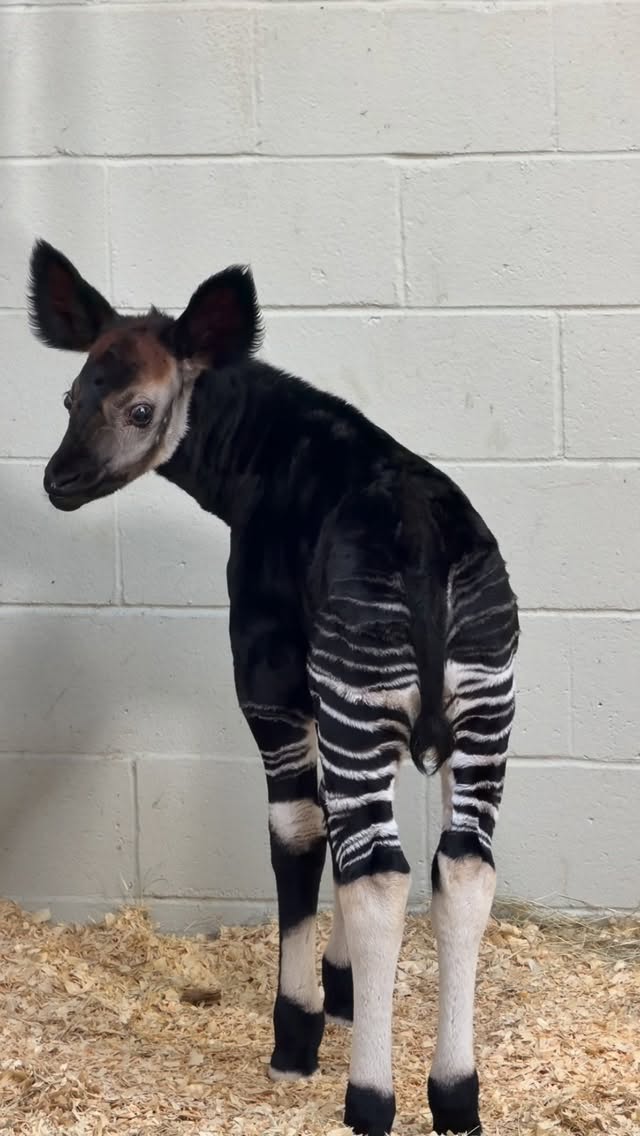
- The significance of the okapi as a species and its conservation status.
- The role of the Audubon Species Survival Center in wildlife preservation.
- Insights into the breeding program and care for the okapi calf.
- The broader implications of such births for biodiversity and conservation efforts.
- How animal births in zoos inspire public engagement and awareness.
The okapi (Okapia johnstoni) is a remarkable species often described as part giraffe and part zebra, yet distinctly its own entity. Native to the dense rainforests of the Democratic Republic of the Congo, this enigmatic animal is critically endangered. The current population is thought to be fewer than 20,000 individuals in the wild. The okapi faces numerous threats including habitat destruction, poaching, and civil unrest in its native habitat.
The survival of the okapi is tied to conservation efforts, making the recent birth of a rare female okapi calf at the Audubon Species Survival Center a monumental event. This institution is dedicated to preserving species that are threatened or endangered. By focusing on at-risk wildlife, the Center plays an essential role in advancing conservation science and fostering public education about biodiversity.
The Audubon Species Survival Center, based in New Orleans, is part of Audubon’s broader mission to protect bird species and their habitats. This center specializes in the breeding and rearing of endangered species, which is critical to maintaining genetic diversity and expanding population numbers. They manage breeding programs that consider the complex genetics of animals. These programs aim to maximize genetic diversity and improve the resilience of species, ensuring their long-term survival.
When it comes to breeding programs for the okapi, the process requires careful planning and evaluation. The staff at the Audubon Species Survival Center continuously assess the health and well-being of their animals. This involves regular veterinary check-ups, providing enriched living environments, and ensuring that dietary requirements are met. Each step in the breeding process is carefully monitored to create the best conditions for successful mating and gestation.
The arrival of the female calf marks a success in these efforts, showcasing how well-executed breeding programs can positively impact endangered species’ survival. The calf is not just a joyful addition to the center; she represents a critical opportunity for education and engagement. With her birth, the center encourages the public to learn more about the importance of conservation, especially concerning lesser-known species like the okapi.
The significance of successful animal births in zoos and conservation facilities extends beyond individual species. Each time a rare animal is born, it reinforces critical concepts such as habitat preservation, species diversity, and global responsibility for biodiversity conservation. The message is clear: each species is valuable, not only for its ecological role but also for the cultural and aesthetic contributions it makes to human society.
The okapi is considered a keystone species in its forest ecosystem. Its eating habits influence the distribution of plant life in the understory of the rainforest. By consuming certain types of foliage, the okapi helps maintain the ecological balance, ensuring that various plant species thrive. The loss of the okapi would trigger a cascade of consequences, disrupting this balance and placing further species in jeopardy.
In addition to their ecological significance, okapis are essential for maintaining cultural connections. Indigenous groups in the Congo have coexisted with okapis for centuries, often incorporating them into their folklore and traditions. Protecting this species aids in preserving cultural heritage as well. The birth of an okapi calf can rekindle interest in these stories, promoting greater understanding and respect for wildlife among people.
Public engagement is another crucial aspect of conservation. When people hear news about the arrival of a rare okapi calf, it sparks curiosity and enthusiasm. The Audubon Species Survival Center is proactive in using social media and public outreach to highlight this thrilling news. Sharing posts and videos can generate interest in animal conservation among individuals who may not have previously considered the importance of ecological stability.
Educational initiatives about the okapi also contribute to fostering a sense of responsibility to protect endangered species. The Audubon Species Survival Center hosts programs that invite the public to learn more about this exotic animal. Through workshops, lectures, and interactive experiences, individuals can deepen their understanding of the challenges faced by the okapi and other endangered species. Engaging with wildlife through direct experiences can create lasting impressions that motivate action for safeguarding ecosystems.
Long-term conservation strategies incorporate various aspects of animal husbandry, genetics, and habitat protection. The work at the Audubon Species Survival Center is indicative of a larger movement in wildlife conservation. Zoos and conservation centers worldwide are increasingly focusing on breeding programs to provide genetic diversity and rehabilitate populations. Each successful birth can catalyze collaborative efforts among institutions, amplifying the impact of conservation strategies and enhancing overall effectiveness.
Collaboration is essential in wildlife conservation. Organizations must work collectively to share knowledge and resources. Facilities conducting research on the okapi can contribute invaluable data towards comprehensive conservation plans. This is crucial given the complexities inherent in maintaining genetic diversity and adapting to changes in local ecosystems.
The global implications of conserving species like the okapi are significant. As biodiversity declines, ecosystems face increased stress, leading to potentially devastating environmental consequences. The preservation of endangered species aids in the maintenance of healthy ecosystems, which can provide critical services such as water purification, climate regulation, and carbon sequestration.
The birth of the okapi calf at the Audubon Species Survival Center serves as a hopeful reminder of what concerted conservation efforts can achieve. Successful breeding programs, when managed transparently and collaboratively, yield substantial benefits not just for individual species but for entire ecosystems. This ripple effect emphasizes the importance of protecting biodiversity as a shared goal among nature enthusiasts, scientists, and policymakers alike.
Zoos like the Audubon Species Survival Center are positioned at the forefront of efforts to save endangered species. They advocate for ecological awareness and regeneration while emphasizing the significant biodiversity we might lose if protective measures are not taken. Each birth is a symbolic testament to these efforts and an invitation for all of society to join in the mission of conservation.
The journey of this female okapi calf is just beginning, with many more lessons and exciting developments ahead. Through the eyes of these remarkable creatures, the interconnectedness of wildlife and human existence is unmistakable. Her birth will not only contribute to increasing the okapi population but will also inspire countless individuals to engage in wildlife conservation efforts. Each one of us has a role to play in the sustainability of our ecosystems, and that journey starts with awareness, education, and action.
*****
Source Description
Have you heard the exciting conservation news from Audubon Species Survival Center? They recently welcomed a rare and critically endangered female okapi calf, and she’s already stealing our hearts! 🩷
