
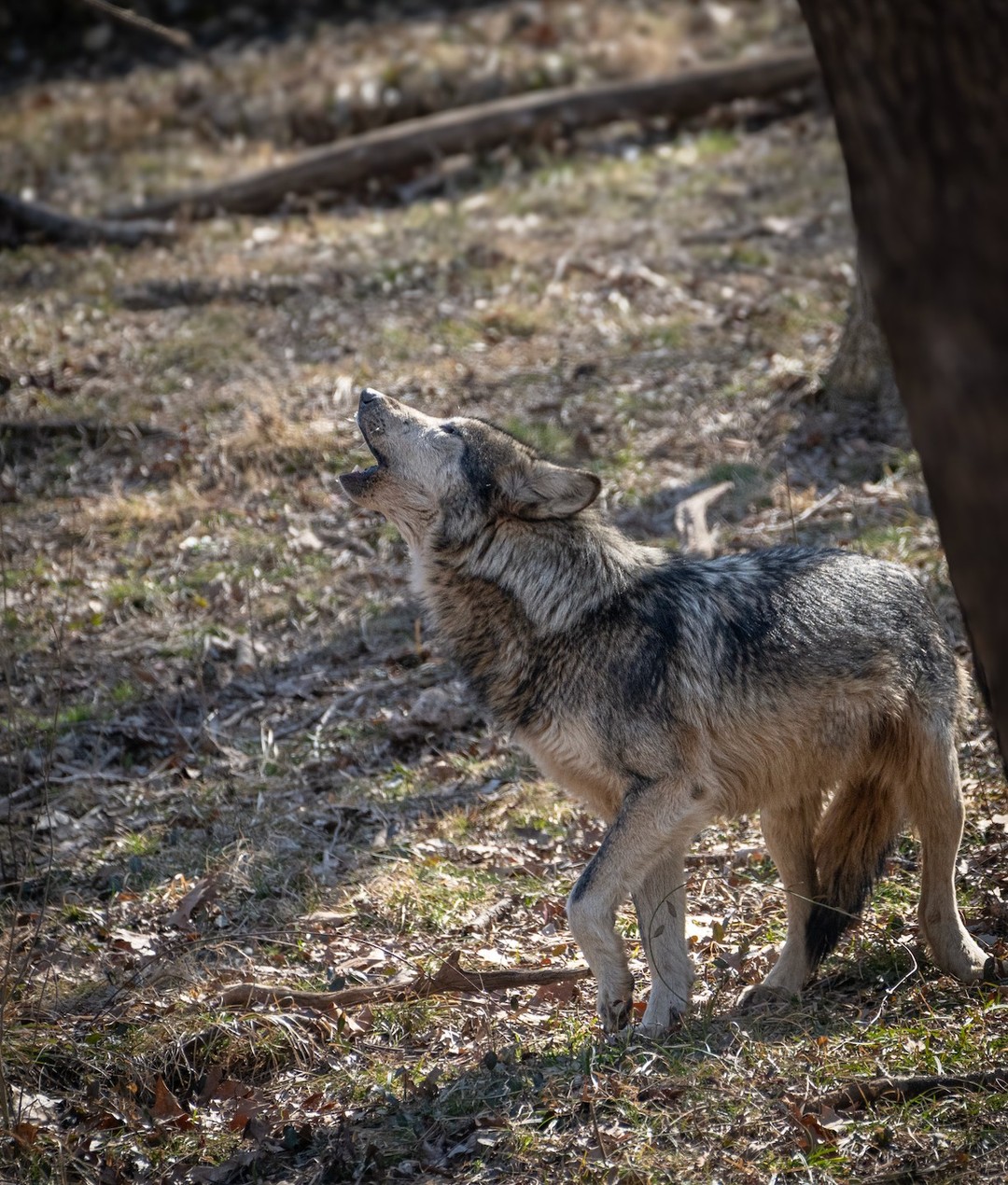
- Wolves howl as a form of communication, social bonding, and territory establishment.
- The popular notion that wolves howl at the moon is largely a myth; their howls are related to their behavioral patterns.
- Understanding wolf vocalizations can enhance appreciation for their biological and social structures.
- Events like the Evening Wolf Howl at the Endangered Wolf Center provide direct insights into wolf behavior and conservation efforts.
- Engaging with wolves in a conservation setting fosters awareness and support for wildlife preservation.
Wolves howl primarily to communicate with one another. This vocalization serves various purposes, including social bonding, territory marking, and alerting pack members to their location. By howling, wolves can coordinate their movements, especially when hunting or migrating. The sound carries over long distances, allowing wolves to connect even when separated by miles. This efficiency in communication is vital for their group dynamics. For instance, especially during a hunt, howling helps maintain cohesion among pack members. They rely on each other for survival, and clear communication through vocalizations ensures they remain synchronized.
Another aspect of howling is its role in asserting territory. Wolves are territorial animals, and howling serves as a vocal declaration of their presence. When a pack howls, they announce their boundaries to other wolves, effectively discouraging intruders. This can prevent conflicts and minimize confrontations over resources. An understanding of these behaviors highlights the importance of vocalizations in wolf social structures.
The iconic image of wolves howling at the moon is a captivating yet inaccurate stereotype. While wolves are known to howl during nighttime activities, their vocalizations are not directly influenced by the lunar phase. Instead, wolves howl more during the dark hours due to their social structures, as they are primarily nocturnal hunters. The association with the moon likely stems from cultural portrayals in art and literature throughout history, which have romanticized the connection between wolves and the night sky.
Observing wolves in their natural habitat provides insight into their howling dynamics. For instance, during pack gatherings, howling often serves as a ritualistic act, reinforcing social bonds among members. Young wolves learn how to howl from older pack members, thereby establishing their roles and hierarchies within the pack.
Events like the Evening Wolf Howls at the Endangered Wolf Center offer a unique opportunity to experience these behaviors firsthand. Participants can gather around a campfire, providing an intimate setting to learn about the wolves’ communication methods and the vital conservation work being undertaken.
As part of the Evening Wolf Howl program, attendees venture on a short hike toward the habitats where wolves reside. This immersive experience allows them to hear the wolves howl, a thrilling moment that brings the theories of wolf behavior to life. Being in close proximity to these remarkable animals helps foster a deeper understanding of their needs and challenges, including habitat conservation efforts essential for their survival.
Participation in these events not only enlightens individuals about wolf ecology, but also highlights the critical necessity of conservation. Wolves, as keystone species, play an essential role in maintaining the balance within their ecosystems. The removal of wolves from a habitat can lead to overpopulation of prey species and subsequent ecological instability. Educating the public about the ecological significance of wolves encourages advocacy for protective measures.
Conservationists continually emphasize the importance of understanding animal behavior in wildlife management plans. For wolves, successful management strategies rely on public support and education, allowing communities to appreciate the role these animals play in the broader ecosystem. Programs operated by various wildlife centers, including the Evening Wolf Howls, contribute to this educational endeavor by making knowledge accessible and engaging.
As well as their vocalizations, wolves also express themselves through various body languages, such as posturing and facial expressions. These non-vocal cues enhance communication within the pack. Each member of the pack has specific roles that dictate behavior, such as lead hunters or caretakers of the young. The social structure of a wolf pack is intricate and serves as a model of cooperation and mutual support.
Acquiring knowledge about wolves also touches on broader conservation themes, such as habitat loss and human-wildlife interactions. As urban development encroaches on wolf habitats, the challenges increase for these animals. Understanding their behaviors aids in conflict resolution between wolves and human activities, such as livestock farming.
The engagement with wolves in a controlled environment also opens discussions about ethical considerations surrounding wildlife preservation. Sanctuaries play a pivotal role in rehabilitation efforts and deter illegal hunting and poaching. By participating in events like Evening Wolf Howls, individuals contribute to the funding and support of these vital conservation efforts.
Recognizing the cultural significance of wolves can also deepen public interest and engagement. Throughout history, wolves have been imbued with symbolism in folklore and storytelling across cultures. They embody values ranging from loyalty and bravery to freedom and wilderness. This rich tapestry of connection has profound implications, influencing how communities perceive and react to wolf populations.
Partaking in wolves’ captivating howling sessions allows participants to appreciate the individual characteristics of each animal. Variations in howling can be attributed to age, health, and even emotional state. These nuances contribute to the broader narrative of a pack’s life.
Beyond the biological insights, participating in an Evening Wolf Howl at the Endangered Wolf Center offers an enjoyable and educational experience. A night centered around wolves enhances understanding and supports activism geared towards wildlife preservation. The combination of firsthand experiences, coupled with educational discussions, fosters not just awareness but also action.
The critical role of wolves in ecosystems emphasizes why their conservation is paramount. Protecting wolves extends beyond simply preserving one species; it involves the safeguarding of entire ecosystems. For example, the reintroduction of wolves to Yellowstone National Park had notable ecological impacts, helping to manage elk populations and encouraging vegetation growth, which has benefitted other wildlife.
This interconnectedness brings to light the dynamic balance within nature. Therefore, educational programs focusing on wolves amplify awareness regarding wildlife management and conservation strategies. Participating in wolf howls can significantly impact personal perceptions, attuning individuals to their natural environment and fostering a sense of responsibility.
To participate in an Evening Wolf Howl, individuals can sign up through the Events Calendar link associated with the Endangered Wolf Center. This step not only immerses them in the excitement of wolf interactions but also supports important conservation messages and funding for sustainable wildlife preservation initiatives.
Embracing the complexity of wolf vocalizations and social structures enriches our collective understanding of wildlife conservation. Rather than just an activity, an Evening Wolf Howl exemplifies the intertwining of education, engagement, and advocacy for a species integral to our ecosystems. It underscores the urgent need to study and protect these magnificent animals, fostering a spirit of stewardship that resonates far beyond the howl of the wolf.
*****
Source Description
Do you know why wolves howl? Is it true that wolves howl at the moon?
Find out answers to these questions and much more during an Evening Wolf Howl.
Evening Wolf Howls are available Friday and Saturday evenings at the Endangered Wolf Center!
During this program, you will learn about the animals we care for, and our conservation work while gathered around a campfire. The group will also be taken on a short hike towards the habitats where you will have the chance to hear the wolves howl—and howl back!
Sign up for your Evening Wolf Howl now through the Events Calendar link in our bio.
