
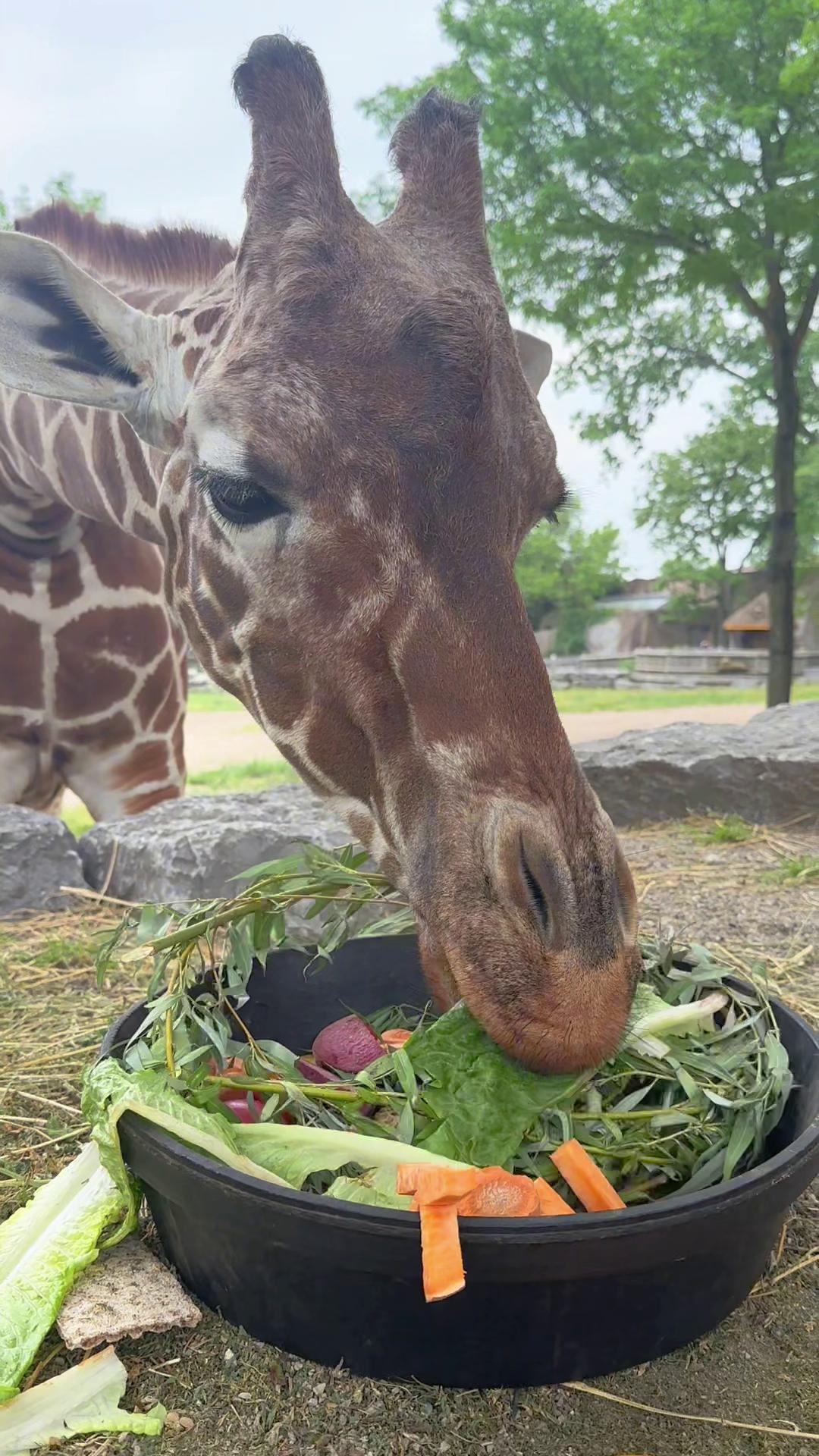
- Happy World Giraffe Day: Significance and Celebration
- Kivuli’s Sweet 16: A Milestone in Giraffe Care
- Enrichment Activities for Giraffes: Importance of Mental Stimulation
- The Role of Zoos in Giraffe Conservation
- Educational Opportunities for Visitors: Engaging the Public
Happy World Giraffe Day is a special occasion that raises awareness about these majestic creatures while celebrating their fascinating traits and the importance of conservation efforts. Observed annually on June 21, this day not only draws attention to the challenges giraffes face in the wild but also serves as a platform for activities and events tailored to connect the public with these remarkable animals. It highlights the need for continued efforts in safeguarding giraffe populations, which have seen significant declines due to habitat loss and poaching.
This year’s celebration took on an extra significance as it marked Kivuli’s Sweet 16. Kivuli, one of the residents at the Detroit Zoo, turned 16 years old, symbolizing a remarkable milestone in her life. Giraffes typically live to be about 20 to 25 years in the wild, and those in captivity can live into their 30s. Kivuli’s age is noteworthy, and her birthday celebration included a specially crafted cake made from giraffe-friendly ingredients, celebrating her growth and the affection she has garnered from her caretakers and visitors alike.
In addition to Kivuli’s cake, the rest of the giraffe tower was treated to “piñata” enrichments filled with crunchy vegetables. Enrichment activities play a vital role in the well-being of captive animals, mimicking natural behaviors as much as possible. These activities keep the giraffes mentally stimulated and physically active, promoting their overall health. The Detroit Zoo has been particularly creative in implementing such enrichment, combining fun with substantial benefits for the animals.
Education is central during these events. Visitors at the Detroit Zoo can engage with the education team overseeing the giraffe habitat. From 11 a.m. to 3 p.m., hands-on activities provide a rich learning experience about giraffes and their habitat. These educational opportunities not only heighten the awareness of giraffe conservation but also foster a sense of responsibility among attendees. Family members leave with an exclusive Animal Day passport card, encouraging them to explore more about wildlife.
Enrichment activities are indispensable in any zoo setting. They enhance animal welfare, promoting natural behaviors that can diminish stress and boredom. Zoos worldwide implement various enrichment strategies, including physical adaptations to habitats, sensory stimulation through changes in environment or novel objects, and food puzzles. For giraffes, which are browsers by nature, creating challenges through hanging treats or scatter feeding mimics their natural foraging tendencies. Such activities ensure these magnificent animals stay engaged and healthy, reflecting their needs and natural instincts.
Another essential aspect of World Giraffe Day is providing education on giraffe population status and their habitat. Giraffes have experienced a staggering decline in numbers—down by about 40% over the last three decades. This decline is mainly due to habitat destruction, fragmentation, and poaching. The International Union for Conservation of Nature (IUCN) classifies the species into distinct subspecies, many of which face varying degrees of threat.
Zoos, including the Detroit Zoo, are crucial in conservation efforts. They not only provide a safe haven for these species but also engage in breeding programs aimed at maintaining genetic diversity. Furthermore, partnerships with in-situ conservation organizations extend the impact of zoos beyond their walls. Educating visitors about the urgent needs of giraffes supports global efforts aimed at advocacy and funding for conservation initiatives. It’s vital for the public to understand how individual actions can contribute to broader conservation goals.
Kivuli’s birthday serves as an excellent point of departure for discussing broader conservation initiatives. Kivuli embodies the spirit of her species and the significance of dedicated care in zoos. Her health and longevity are the result of a focus on comprehensive care standards that prioritize the physical, mental, and emotional well-being of animals. Animal care teams work diligently to monitor their dietary needs, veterinary care, and social interactions, all of which play a role in their overall vitality.
Moreover, discussions around giraffe populations emphasize the need for habitat preservation. Found primarily in savannahs and open woodlands, giraffes require vast ranges in which to thrive. As human populations expand, these habitats face encroachment, posing significant challenges to the survival of wild giraffes. Conservation strategies advocate for protected areas and the sustainable management of land to balance human needs and wildlife preservation.
On this day, families visiting the Detroit Zoo grasp the importance of being proactive about wildlife protection. Engaging children through hands-on activities and providing them with tangible takeaways, like the Animal Day passport card, ensures that the lessons learned about giraffes extend beyond their zoo visit. Such educational tools bolster awareness and serve as reminders of civic responsibility towards animals and the environment.
Giraffes have unique adaptations that make them exceptional. Their long necks are not just for reaching high foliage; these adaptations also play roles in social interaction and mating. Males often engage in “necking”—a behavior where they swing their necks and hit opponents as a means to establish dominance. This characteristic showcases the complexity of giraffe social structures, where hierarchies can influence access to resources, mates, and territory. Understanding these behaviors aids in the interpretation of giraffes’ needs in both captivity and in the wild.
Breeding programs in zoos aim to replicate the challenges giraffes would face in the wild. By encouraging natural behaviors and social structures, zoos can offer better insights into their needs. In turn, these efforts contribute significantly to research and conservation initiatives. The coordinated efforts of institutions not only enhance individual giraffe care but also consolidate data on the species, improving the success of conservation plans.
Community involvement becomes crucial, especially during events like Happy World Giraffe Day. Local schools and organizations often collaborate with zoos to foster an understanding of conservation issues. By involving younger generations, zoos aspire to cultivate stewardship for wildlife. This engagement initiatives equip children with the awareness and tools to advocate for nature as they grow older.
Promoting giraffe conservation is not just an educational exercise; it’s imperative for the future of the species. As people participate in events, they learn about the fragility of ecosystems. They understand the urgency required to protect giraffes and the many animals sharing their habitats. With each passing year, World Giraffe Day emphasizes the importance of everyday actions, whether reducing plastic use, supporting conservation organizations, or simply spreading awareness.
The celebration of Kivuli’s Sweet 16 beautifully intertwines with the overarching mission of giraffe conservation. It serves as a reminder of the joys of animal care, the battles of wildlife protection, and the education that connects people to the natural world. Enthusiasm for events like these can inspire more individuals to become advocates for wildlife, recognizing that the health of ecosystems and animal species hinges upon collective responsibility.
As communities rally around events like Happy World Giraffe Day, the narrative of giraffe conservation becomes central to public discourse. The call to action is clear. Increased awareness can translate into practical conservation efforts that advance the mission to protect these gentle giants. By creating enriching environments for animals in zoos and sparking interest in their wild counterparts, the future for giraffes becomes a shared goal, where everyone has a role to play.
Today, we invite everyone to join in the celebration, both for Kivuli’s milestone and in recognition of the giraffes that grace our planet. The more we learn, the more we can do.
*****
Source Description
Happy World Giraffe Day and a very sweet 16 to Kivuli!
This monumental day was marked with a “cake” made just for the birthday girl. But don’t worry about the rest of the tower – they were all treated to “piñata” enrichments full of crunchy vegetables.
Visit the Detroit Zoo today to keep the party going with our education team. They are hosting hands-on activities at the giraffe habitat from 11 a.m. to 3 p.m. that you will not want to miss! Guests will also leave with an exclusive Animal Day passport card.
