
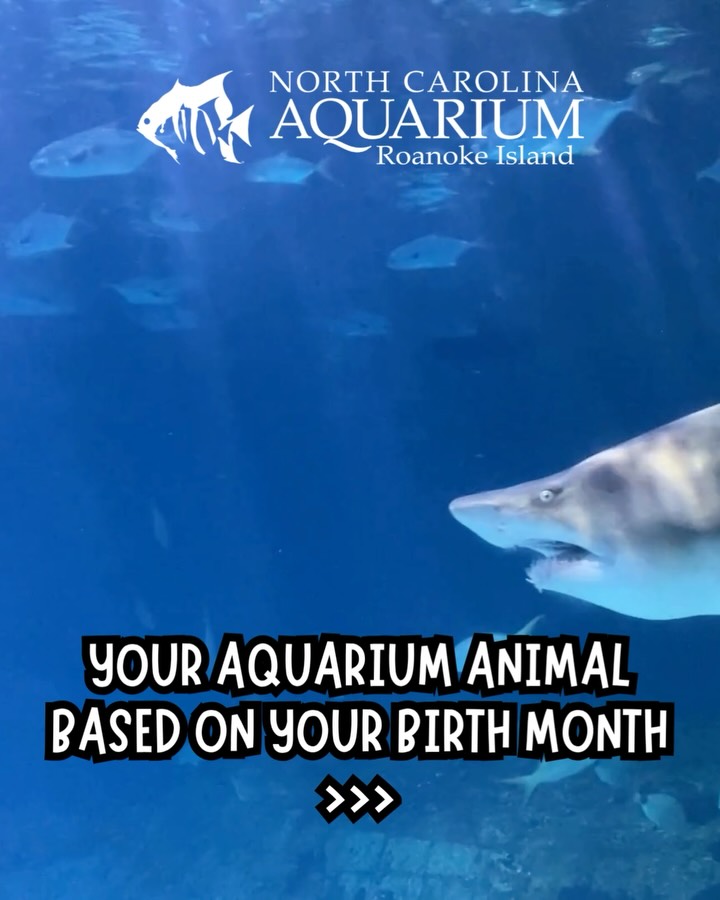
- The fascinating connection between birth months and aquarium animals
- Profiles of aquatic animals representing each month
- Insights into aquariums’ ecological roles and educational value
- The importance of wildlife conservation in the context of aquatic species
- Fun engagement activities at aquariums that foster appreciation for marine life
In the realm of aquariums, each month of the year corresponds with unique aquatic animals. This connection can offer insights into individual characteristics and behaviors linked to zodiac signs. For instance, January represents the resolute and confident sea turtle, symbolizing perseverance and longevity. In a similar vein, each animal associated with a month embodies traits that resonate with personal characteristics, elevating the experience of observing marine life.
January’s animal, the sea turtle, is a remarkable creature. These reptiles have been around for over 100 million years and are often viewed as symbols of wisdom and stability. Sea turtles migrate vast distances each year and possess impressive navigation abilities thanks to their magnetic sense. Unfortunately, many species are endangered due to habitat loss, pollution, and climate change. Aquariums play a pivotal role in educating the public about their plight and contributing to conservation efforts.
February features the playful sea otter, known for its engaging social behavior and use of tools to crack open shellfish. Sea otters are a keystone species in their ecosystems, helping maintain kelp forests that provide habitat for numerous marine organisms. Their thick fur makes them particularly vulnerable to oil spills, underscoring the necessity for protection and awareness. They not only illustrate the importance of biodiversity but also inspire conservation initiatives aimed at preserving their habitats.
March introduces the magnificent clownfish. These vivid orange fish live in symbiosis with sea anemones, gaining protection from predators while providing anemones with nutrients. This mutualistic relationship highlights the interconnectedness of marine life. Clownfish populations face threats from habitat destruction and aquarium trade practices. Aquariums often initiate breeding programs and awareness campaigns to promote sustainable practices for this popular marine species.
April’s animal is the vibrant jellyfish, whose ethereal movement in water captivates onlookers. Jellyfish are ancient creatures, existing for over 500 million years. Their life cycles include both a medusa stage and a polyp stage, illustrating incredible biological adaptability. Although they are often perceived as simple organisms, their roles in marine ecosystems are profound. They can indicate changes in ocean health, emphasizing the importance of monitoring marine environments.
As May arrives, the focus shifts to the vibrant seahorse. These delicate creatures are known for their unique reproductive practices, where males carry and give birth to young. Seahorses reside in shallow waters, often amongst seagrass and coral reefs. Regrettably, their populations face decline due to habitat destruction and overfishing. Aquariums often contribute to breeding programs and public education to foster appreciation and conservation efforts for seahorses.
June highlights the awe-inspiring hammerhead shark. These sharks are known for their distinctive hammer-shaped heads, which enhance their ability to detect prey. Hammerhead sharks are often found in schools, demonstrating a complex social structure. They are essential for maintaining the balance of marine ecosystems by controlling prey populations. Conservation efforts focus on protecting their migration routes and habitats, acknowledging their key role in ocean health.
In July, the focus shifts to the mesmerizing octopus. Known for their intelligence and problem-solving skills, octopuses are fascinating animals that exhibit complex behaviors. They have the ability to camouflage themselves, modify their color, and even squirt ink when threatened. Overfishing and habitat loss pose significant threats to octopus populations. Public awareness about their complexities, fostered through aquariums, can help spur conservation efforts.
August brings us the captivating dolphins, celebrated for their social structures and vocal communications. These highly intelligent mammals utilize echolocation to navigate and hunt, showcasing incredible adaptive behaviors. Dolphins also form strong social bonds, often seen engaging in playful activities. Despite their intelligence, many dolphin species are threatened by habitat degradation and ocean pollution. Aquariums emphasize their playful nature while advocating for conservation measures.
September features the resilient coral. Coral reefs are often referred to as the “rainforests of the sea” because they support diverse marine life. They play crucial roles in coastal protection and provide habitats for myriad species. Climate change, ocean acidification, and pollution threaten coral health, leading to widespread coral bleaching. Aquariums serve as vital platforms to educate visitors about the importance of coral preservation and the actions necessary to protect these ecosystems.
As October approaches, the spotlight turns to the enchanting angelfish. Known for their striking colors and graceful movements, angelfish exhibit diverse behaviors and habitats. They thrive in coral reefs and play roles in maintaining reef health. However, their delicate nature makes them vulnerable to environmental changes and invasive species. In aquariums, visitors can learn about sustainable practices that help safeguard angelfish populations in their natural habitats.
November’s animal is the resilient sea urchin. These small, spiny creatures contribute to the health of marine ecosystems by grazing on algae, helping to prevent overgrowth that can harm coral reefs. Despite their importance, sea urchins face threats from climate change and pollution. Educating the public about their role can help foster a culture of conservation around these often-overlooked animals.
Finally, December brings attention to the elegant sea horse. Known for their unique reproductive behaviors and fragile nature, sea horses face substantial risks from habitat loss and the aquarium trade. Aquariums aim to educate the public on their conservation status and the critical need to protect their environments.
Aquariums serve multiple purposes: they are not only places for recreation and education but also critical hubs for wildlife conservation. Visitors can engage with marine life and learn about ongoing conservation efforts. Many institutions run breeding programs and participate in research aimed at safeguarding endangered species, emphasizing the vital role aquariums play in global efforts to maintain biodiversity.
In addition to educational programs, aquariums often host interactive exhibits. These may include touch tanks that allow visitors to experience marine life up close, promoting a deeper understanding and appreciation for aquatic ecosystems. Programs aimed at fostering citizen science are also becoming more prevalent, empowering individuals to contribute to marine research and conservation initiatives.
With the growing concerns around climate change and its impact on marine life, aquariums are stepping up their roles. Initiatives that promote sustainable practices, such as reducing plastic use and enhancing local habitat restoration, serve as catalysts for broader environmental action. Through collaboration with local communities, the emphasis is on nurturing a sense of stewardship for the oceans.
Engagement activities at aquariums are designed to inspire visitors to take personal action towards conservation. From educational talks to hands-on workshops, the goal is to cultivate a community invested in safeguarding marine ecosystems. Encouraging young people through dedicated programs helps instill lasting values regarding environmental responsibility.
In this context, the connection between each birth month and an aquarium animal serves as a delightful way to explore personal traits associated with various species. These animals, whether it be the sociable dolphin or the resilient sea urchin, all portray unique qualities that shape our understanding of aquatic life.
By connecting individual characteristics with these incredible ocean species, aquariums enhance visitors’ experiences. They provide not only a fun activity but also an essential educational journey into the aquatic world. In doing so, aquariums facilitate a greater awareness, making the case for long-term efforts to protect our planet’s marine ecosystems. Through knowledge and engagement, aquariums contribute significantly to the conversation surrounding marine conservation and biodiversity.
*****
Source Description
Which amazing animal at the Aquarium matches your birth month? Swipe to play and tell us what you got! 😄🐾🦈
