
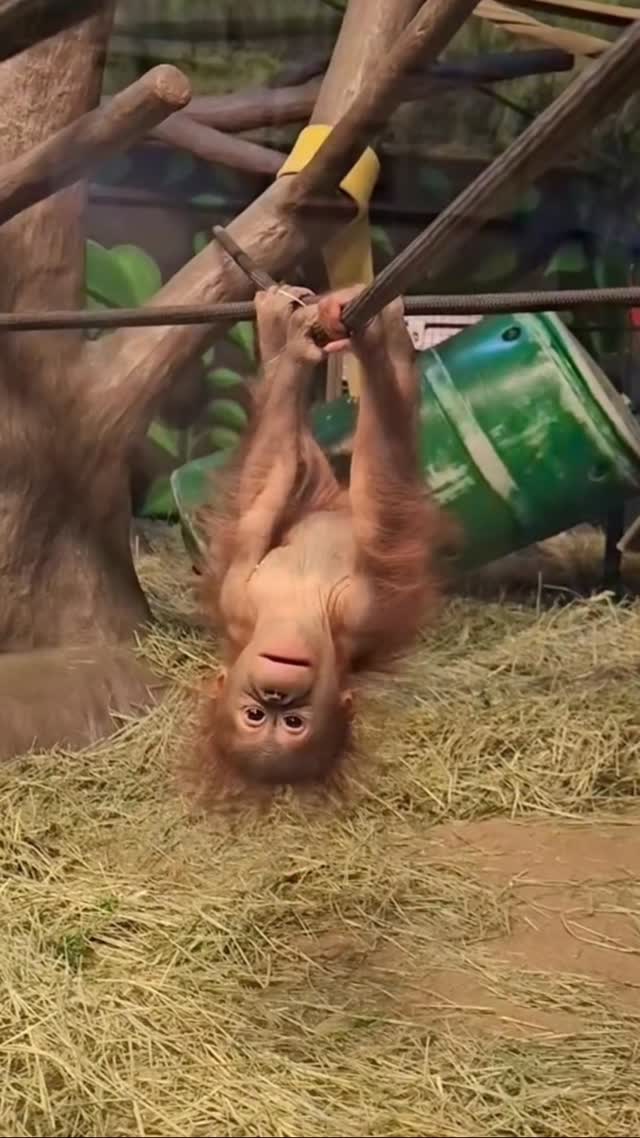
- Examination of the Upside Down narrative’s significance in current zoology and wildlife conservation discussions.
- The parallels between fictional settings like the Upside Down and real-world ecosystems.
- Exploration of Hogle and Hawkins as case studies for biodiversity conservation efforts.
- The implications of storytelling in raising awareness about wildlife protection.
- Strategies for integrating fictional themes into educational programs on conservation.
The concept of the Upside Down, originating from popular culture, particularly in series like “Stranger Things,” serves as a captivating metaphor when examining current issues in zoology and wildlife conservation. While it symbolizes a distorted version of reality, this alternative world invites critical exploration of how fictional narratives can drive real-world awareness regarding biodiversity. It illustrates how a compelling story can enhance our understanding of conservation efforts and inspire action.
The fictional Upside Down contrasts starkly with traditional ecosystems. Within its narrative, the environment is unsettling, dominated by twisted trees, shadowy creatures, and decaying remnants of human civilization. This stark portrayal can be leveraged to draw parallels with endangered habitats and the challenges faced by wildlife today. Habitats across the globe, like forests, wetlands, and grasslands, are increasingly threatened by human activities, climate change, and ecological imbalance. By comparing these real ecosystems with the Upside Down’s portrayal, individuals can visualize the urgent need for conservation measures. Discussions about the implications of habitat destruction and pollution can engage audiences, encouraging them to reflect on their role in preserving biodiversity.
Hogle Zoo and Hawkins, a fictional town from “Stranger Things,” can be examined as case studies for both education and conservation strategies. Hogle Zoo, located in Salt Lake City, Utah, is a leading institution emphasizing the importance of wildlife education and conservation. Its diverse animal collection and proactive engagement in breeding programs reflect a commitment to the protection of endangered species. The zoo also collaborates with various organizations to create awareness campaigns that extend beyond its physical boundaries.
On the other hand, Hawkins represents a unique narrative space where the normalcy of small-town life collides with paranormal occurrences. This collision highlights not only the fragility of community environments but also the consequences of neglecting the ecological balance. By discussing Hawkins, audiences can consider the repercussions of environmental mismanagement in their own lives. The series depicts an unsettling gradual decline, mirroring real-world challenges faced by ecosystems. Such reflections underscore the importance of sustainable practices in our interactions with nature.
The storytelling employed in the Upside Down provides a robust framework for activists and educators aiming to raise awareness about wildlife protection. The tension and conflict within the narrative can resemble the struggles faced by conservationists battling poaching and habitat loss. By harnessing elements of drama and urgency, educational programs can evoke emotional responses essential for mobilizing community action regarding conservation.
Various strategies can be implemented to introduce fictional themes into conservation education. Programs can incorporate popular culture narratives while outlining real ecological principles. For instance, using the Upside Down as a discussion point can inspire critical conversations about climate change and its tangible impacts on living organisms. Workshops that fuse storytelling with facts engage different learning styles, appealing to visual, auditory, and kinesthetic learners. This approach stimulates curiosity, enabling participants to explore broader ecological concepts.
The collaboration between storytellers and scientists can lead to effective campaigns that resonate with diverse audiences. Interactive media, like documentaries or podcasts, can illustrate the relationship between fantastical stories and real-life conservation challenges. These materials can be designed to encourage participants to think critically about their engagement with nature, prompting questions about how individual actions affect broader environmental outcomes.
Online platforms serve as avenues for advocacy, allowing for the dissemination of persuasive narratives that reflect urgent conservation messages. Engaging content can incorporate dynamic visuals, powerful captions, and interactive formats to attract attention. Through collaborations with influencers and conservationists, the stories can reach wider audiences, amplifying the call for action.
Equally important is emphasizing the role of zoos, such as Hogle Zoo, in revitalizing community conservation efforts. Education programs can utilize storytelling as a tool to connect visitors with their mission. By incorporating the intriguing aspects of fictional worlds like the Upside Down, these facilities can create immersive experiences that encourage participants to engage actively with wildlife. Activities like costume events or themed presentations can infuse excitement into learning, transforming attendees into advocates for conservation.
Volunteering initiatives can be structured around shared narratives. By encouraging volunteers to immerse themselves in stories that align with conservation goals, organizations can forge deeper connections between individuals and their ecological responsibilities. Engaging participants through narrative-driven experiences can cultivate empathy, motivating action toward protecting wildlife.
Moreover, the interdisciplinary nature of these initiatives facilitates collaboration not only within educational institutions but also across various sectors. Partnerships between artists, scientists, and educators broaden the scope of traditional conservation discussions. When narratives and data merge, the discourse around wildlife protection becomes more accessible and engaging.
Encouraging community events centered around storytelling fosters local engagement. Participatory workshops that merge art, science, and narrative create a compelling atmosphere for learning. These programs can feature local authors, conservationists, and wildlife experts, energizing participants to reflect on their role in preserving their local ecosystems. By motivating residents to explore their environment through storytelling, communities can foster a shared commitment to conservation.
The exploration of themes from the Upside Down within wildlife conservation highlights innovative ways of communicating critical issues. Its unsettling narrative reminds audiences of the potential consequences of ecological neglect, sparking dialogues about restoring balance in real-world ecosystems. Establishing connections between fictional and scientific narratives enriches public knowledge and encourages proactive approaches to wildlife protection.
As society faces intensifying environmental challenges, employing storytelling can bridge gaps in awareness and understanding. The Upside Down serves as an illustration of what can happen when humanity strays from its connection with nature. Utilizing narratives that resonate widely creates paths for more meaningful discussions and actionable commitments to conservation.
Ongoing education about ecosystems and biodiversity is paramount. By combining storytelling with scientific evidence, organizations and educators contribute to a more informed public. The blend of engaging narratives and factual information enhances the mission of wildlife conservationist efforts. Furthermore, these engagements can equip communities with the knowledge and tools needed to enact meaningful changes.
Active participation in conservation efforts can lead to tangible shifts in attitudes and behaviors. By fostering a collective understanding of what’s at stake, individuals can cultivate advocacy within their communities. The frameworks established by organizations and institutions can lay the groundwork for a more conscientious society.
Through focused efforts combining creativity, scientific inquiry, and community engagement, the impacts of storytelling on conservation can be far-reaching. Just as Weila found the Upside Down, so too can individuals discover new perspectives on wildlife protection through the narratives they encounter. Such creative explorations enrich both personal understanding and collective narrative, ultimately becoming a critical part of the ongoing effort to safeguard our planet’s biodiversity.
*****
Source Description
Somewhere between Hogle and Hawkins, Weila found the Upside Down 🔮👀
