
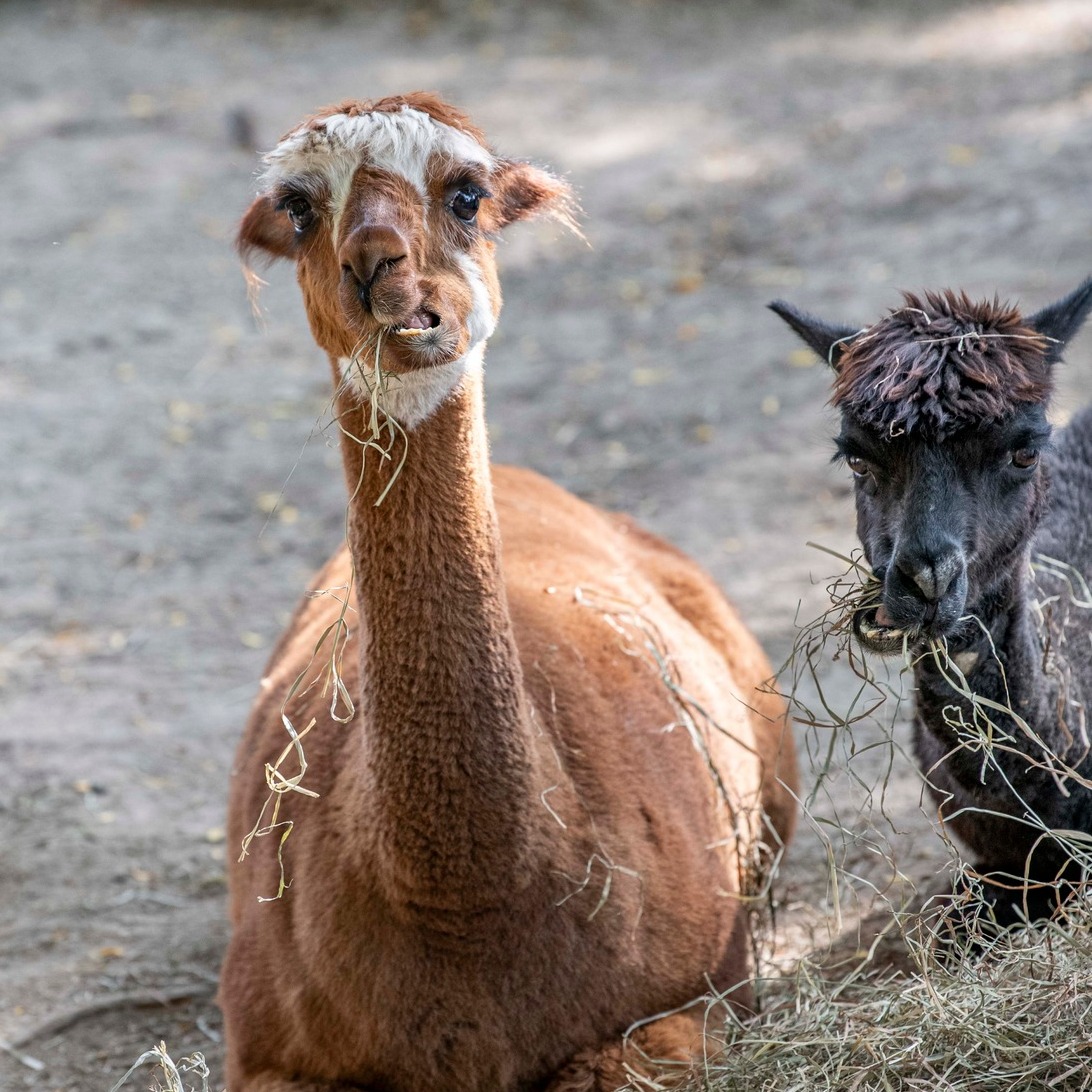
- The significance of human-animal interactions on Mondays in zoos
- Curating engaging experiences for visitors and animals alike
- The role of education and conservation in modern zoos
- Examining mental stimulation and enrichment for zoo animals
- Strategies for sustainable zoo management and wildlife conservation
Human-animal interactions play a crucial role in the zoo setting, especially on Mondays. This day often sees a high number of visitors, yielding opportunities for education and engagement. People are eager to start their week by immersing themselves in nature. These interactions serve multiple purposes, from fostering empathy toward wildlife to promoting awareness about conservation efforts. Observations show that when visitors engage with animals, they develop a deeper understanding of the challenges facing various species. This, in turn, nurtures a more compassionate approach to wildlife and environmental issues.
Curating experiences that captivate both visitors and animals requires careful planning. Zoos create schedules featuring themed days or weeks, spotlighting different species and conservation messages. On Mondays, for instance, an emphasis might be placed on primate behavior. Educators can organize talks or demonstrations explaining how primates communicate and interact socially. Visual aids, such as videos or infographics, enhance the learning experience. These educational moments deepen visitors’ connections with animals, enlightening them about the biological, ecological, and behavioral aspects of wildlife.
Moreover, zookeepers routinely evaluate and adapt their teaching strategies. This adaptability benefits the animals, fostering an environment where they feel secure and engaged. The insights gained from interacting with the public help in refining enrichment activities tailored for the animals. These adaptations increase the likelihood of visitors returning frequently, as they are eager to learn more about different animals and conservation efforts.
The role of education and conservation in modern zoos cannot be overstated. Zoos are increasingly responsible for conveying the importance of preserving habitats and maintaining biodiversity. Educational programs are meticulously developed to reflect these values, focusing on realistic approaches to conservation. These programs often include outreach initiatives aimed at schools and communities, promoting wildlife protection efforts beyond the zoo’s physical space.
In addition to formal educational programs, informal learning experiences happen daily. For example, many zoos utilize staff members as ambassadors for wildlife conservation. These staff members are trained to communicate important messages effectively while engaging the public. Visitors often leave with pamphlets containing information about specific species and actions they can take to contribute to global conservation efforts. This ongoing education helps break down barriers and misconceptions about various animals.
Mental stimulation is crucial for zoo animals, and enrichment activities are essential for their wellbeing. Studies indicate that physical and mental enrichment significantly contribute to animal health. Animals in enriched environments demonstrate fewer abnormal behaviors and exhibit increased activity levels. Monday is an excellent opportunity for zoos to showcase enrichment programs. Zookeepers can present how they incorporate toys, puzzles, and even scent trails to replicate natural challenges that animals might face in the wild.
The benefits extend beyond the animals. Visitors can observe firsthand how these enrichment activities foster more vibrant, dynamic behavior. This level of engagement often generates excitement among guests, encouraging dialogue about animal care and welfare. By demonstrating how mental stimulation impacts their animals, zoos underscore their commitment to best practices in animal care.
Sustainable zoo management is crucial, especially as environmental challenges become more prominent. Zoos face ongoing responsibilities, including resource management and habitat preservation. Mondays are ideal for promoting sustainable practices, both in the zoo and within the community. Staff members can host workshops or discussions on topics like waste reduction, energy conservation, and responsible consumption.
A key strategy involves collaboration with local organizations focused on sustainability. Partnerships enhance resource sharing and knowledge exchanges, creating stronger community ties. In turn, this fosters a sense of ownership among community members regarding local wildlife. Such initiatives emphasize the importance of collective action in protecting species and habitats.
Additionally, zoos play an integral role in species recovery programs. With the threat of extinction looming over many species, zoos are becoming increasingly involved in conservation breeding initiatives. These programs focus on increasing the population of endangered species, preparing them for reintroduction into their natural habitats. Awareness campaigns on Mondays can spotlight success stories from these programs, inspiring hope and encouraging involvement.
In the context of wildlife conservation, many zoos are adopting advanced veterinary practices. This ensures that animals receive high-quality care and regular health assessments. By prioritizing animal health, zoos can better observe, study, and rehabilitate wildlife. Educational initiatives can highlight the importance of veterinary science, with demonstrations of technology used in animal care.
Integrating technology also provides valuable resources for research. Zoos are increasingly using data to inform breeding programs and habitat management. These practices allow for adaptive management strategies that can respond effectively to changing environmental conditions. Sharing this information with the public helps underscore the importance of research and its direct application to conservation efforts.
Community engagement also plays a vital role in ensuring the success of a zoo’s mission. Zoos often invite community members to partake in habitat restoration projects or conservation volunteering opportunities. These initiatives foster a collective sense of responsibility towards local wildlife. Furthermore, they allow visitors to take tangible actions that contribute to the wellbeing of species and ecosystems.
Research shows that community-led efforts enhance conservation outcomes dramatically. By actively involving the public, zoos build support networks promoting awareness and action. These interactions help cultivate a stewardship mentality, encouraging individuals to protect wildlife not just within the confines of the zoo but also within their own communities and beyond.
Overall, focusing on education, engagement, and sustainable practices is key to elevating the importance of zoos in wildlife conservation. A holistic approach encompasses various strategies, creating a ripple effect that impacts both animals and their environments. By prioritizing these elements, zoos can thrive while contributing significantly to the preservation of biodiversity worldwide.
As zoos continue to evolve, the significance of themed days, particularly Mondays, becomes increasingly evident. These days present opportunities for educational outreach, fostering human-animal connections, and advocating for conservation measures. By embracing multi-faceted strategies rooted in science and engagement, zoos can remain influential advocates for wildlife conservation over the long term. As we reflect on the significance of “Hey it’s another Monday!” we recognize its potential to inspire transformative experiences that contribute to our collective efforts in preserving vulnerable species and promoting ecological balance.
*****
Source Description
Hey it’s another Monday!
