
- The significance of World Turtle Day and its connection to turtles.
- The biological and ecological traits of the ornate box turtle.
- The detrimental effect of turtle racing on wild box turtle populations.
- Conservation approaches and actions to protect box turtles.
- Community involvement and the importance of awareness in turtle conservation.
World Turtle Day, celebrated on May 23, serves to highlight the importance of turtles and tortoises, fostering awareness about the challenges they face. Turtles of various species are critical to the health of ecosystems, yet many are facing threats such as habitat loss, pollution, and illegal capture. The ornate box turtle (Terrapene ornata ornata) exemplifies these challenges, particularly as Kansas’ state reptile.
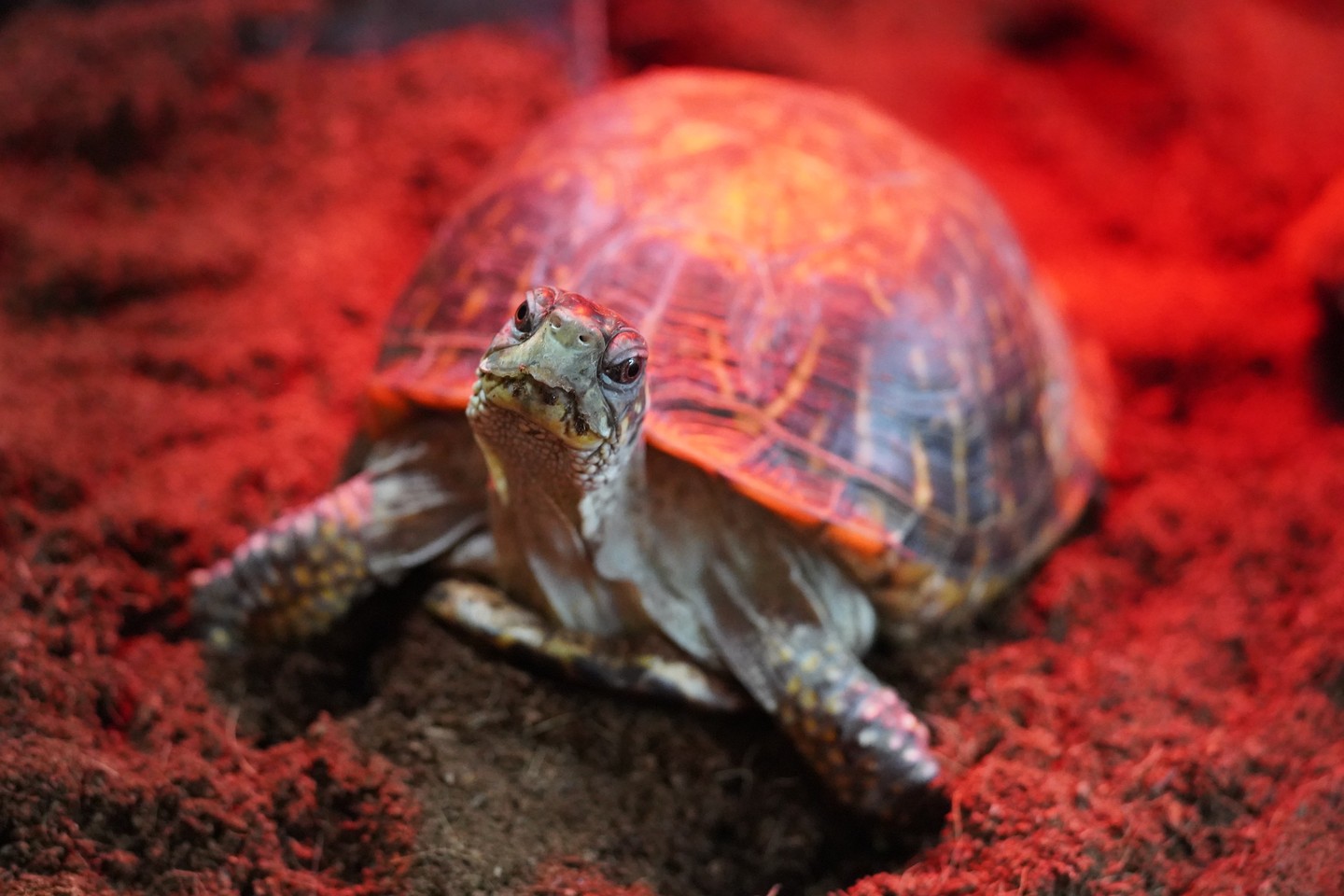
This remarkable species is typically found in wooded areas, grasslands, and prairies, characterized by its dome-shaped shell adorned with intricate, yellow-orange patterns. Unlike many other turtles, ornate box turtles are terrestrial in nature, relying on their ability to burrow and navigate terrestrial environments. However, their declining populations demand urgent attention, especially as turtle races have become a popular activity at county fairs in regions like Kansas, Oklahoma, and Missouri.
These unregulated races, which often feature the ornate box turtle and similar species, pose serious risks to their survival. Most turtles used in such races are collected from their wild habitats. When returned, they are rarely placed back in their original home ranges. Turtles are known to develop mental maps of their environments, encompassing food sources, water, and suitable burrowing locations. Disorientation from being relocated can significantly impact their lifespan and overall well-being.
Many people may not realize the long-term implications turtle races have on local populations. Each year, thousands of ornate box turtles are taken from their natural environments to be used as racing participants. Often collected during nesting season, these turtles are stripped from their habitats, which can disrupt breeding cycles and impact population dynamics. Not only do these races reduce genetic diversity by removing individuals from the gene pool, but they also create roadblocks for turtles in finding mates and establishing territories.
Community engagement is essential in addressing these issues and fostering a healthier environment for turtles. Awareness campaigns and educational programs can play a significant role in promoting responsible behavior. Individuals can take actionable steps by contacting local officials and organizations involved in hosting turtle races. If these races cannot be abolished, several recommendations can minimize their negative impact. One suggestion is to discourage the practice of marking or painting turtles, which can lead to further stress. Instead, providing guidelines for participants to document the location of their collected turtles allows for more effective re-introduction.
Another approach to conservation involves establishing regulations that govern the collection of turtles from the wild. States could implement permits for turtle collection, setting limits on how many turtles can be taken while ensuring re-population efforts. By imposing such regulations, officials can better track turtle populations and work towards their restoration.
Education is vital in ensuring the continued survival of the ornate box turtle and similar species. A solid foundation of knowledge about their behaviors, life cycles, and habitat requirements can empower community members to advocate for their protection. Informing the public about the ecological significance of ornate box turtles can stimulate interest among citizens, encouraging them to be part of conservation efforts.
While celebrating World Turtle Day, it is equally important to consider the role that zoos and wildlife rehabilitation facilities play in turtle conservation. Facilities like these often serve as sanctuaries for injured or displaced turtles, providing them with the care they need to survive and thrive. For example, Mshike, a rehabilitated ornate box turtle, is a tangible success story that highlights the importance of rescue efforts.
Host events facilitating interactions with various turtle species can further promote conservation awareness. By connecting people with turtles like Mshike, organizations can inspire individuals to take an active role in turtle conservation. Educational workshops and presentations held during such events can also dispel myths about these animals while emphasizing their ecological roles and challenges.
Support from local communities continues to be essential in turtle conservation initiatives. Grassroots organizations can collaborate with schools and local governments to create outreach programs aimed at young audiences. Engaging younger generations fosters stewardship and a sense of responsibility towards preserving local wildlife.
Laws protecting box turtles and their habitats are critical for conservation, but they must be enforced. Strengthening regulations against illegal collection and trade will help bolster turtle populations. Engaging volunteers to monitor local habitats and conduct surveys can provide invaluable data for studying population dynamics, determining areas needing protection, and identifying potential threats.
Conservation is a collective responsibility that necessitates a multifaceted approach. Individuals can support local wildlife organizations and participate in clean-up events aimed at preserving turtle habitats. Joining local herpetological societies allows concerned citizens to connect with conservationists who focus on reptiles and amphibians.
Through collaboration with scientists and engaging in citizen science projects, the public can play a role in turtle research. These initiatives can greatly benefit conservation efforts by providing data on demand, population status assessments, and more. Citizen scientists can assist in monitoring turtle sightings and nesting activities while sharing findings with organizations.
Aquatic and terrestrial turtles play crucial roles within their ecosystems. They help regulate vegetation, control insect populations, and provide nutrition to various predators. Therefore, preserving their habitats is vital for maintaining ecological balance and promoting biodiversity.
The long-term survival of the ornate box turtle hinges not on a single solution, but rather on consistent efforts from all community members. Constantly educating others about the risks turtles face, actively participating in conservation programs, and advocating for change can lead to actionable outcomes.
In summary, World Turtle Day serves as a reminder of the crucial role that turtles play in our ecosystems and the urgent need for conservation efforts. Their plight, particularly the ornate box turtle—a treasured species in Kansas—should not be overlooked. Everyone can contribute to large-scale initiatives or local community projects. Whether through education, advocacy, or hands-on participation, every action counts.
With awareness and commitment, there is hope for a future where turtles, including the ornate box turtle, thrive in their native habitats. As May 24 approaches, let us honor the day’s spirit by promoting conservation actions, encouraging responsible participation, and ensuring a sustainable future for all turtles. Together, we can protect these remarkable creatures and the ecosystems they inhabit.
*****
Source Description
Racing to educate you on World Turtle Day! 🐢
The ornate box turtle (Terrapene ornata ornata, happy is well-known as the Kansas state reptile. Less known is that the species is in dire need of Kansan help, or it could cross the finish line to extinction.
Turtle races are a popular county fair activity in small towns across America, but are particularly popular in Kansas, Oklahoma, and Missouri. These races are severely detrimental to wild box turtle populations:
🐢 Most turtle participants are collected from the wild, and very rarely make their way back to where they were collected from.
🐢 Box turtles (as well as other tortoises) create mental maps of their home range in the wild, taking note of favorable food & water sources as well as where they can burrow- even if the box turtle gets returned to the wild, if they are not placed in their home range it can be disorienting, shortening their lifespan.
🌻How can we help our state reptile? By contacting any officials at county fairs/organizations that hold turtle races or derbies! If they aren’t willing to cancel the races- there are regulations to suggest that can still help. Suggest that turtles not be painted on/marked and that participants be encouraged to take notes of where they collected their racer so they may be properly returned.
🐢 Pictured is Mshike, our rehabilitated resident Ornate box turtle! You can meet Mshike and other tortoises during our World Turtle Day celebration tomorrow (May 24) from 9 am to 3 pm! 🐢
