
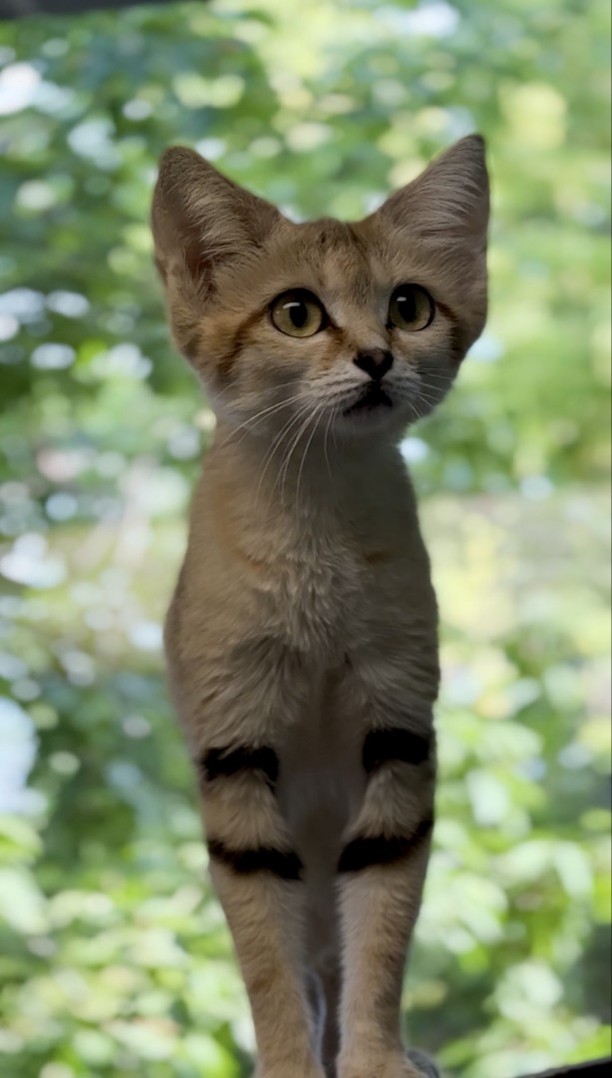
- The remarkable hearing abilities of sand cats and their ecological significance
- The unique dietary needs and preparation of sand cats in captivity
- The importance of environmental enrichment for sand cats in zoo settings
- Conservation efforts for sand cats and their habitats
- The role of education and outreach in promoting awareness for sand cat preservation
The remarkable hearing abilities of sand cats serve as a primary adaptation that enhances their hunting skills. Originating from arid regions of North Africa and Central Asia, sand cats (Felis margarita) have evolved uniquely to thrive in desert ecosystems. Their large ear canals allow for exceptional sound detection, enabling them to hear potential prey moving beneath the ground. This evolutionary trait is vital, considering that their diet primarily consists of small mammals like rodents, insects, and lizards.
Research indicates that sand cats can hear high-frequency sounds better than many other feline species. This sensitivity is crucial for locating prey that may be hidden in burrows or beneath the sand. Additionally, their acute hearing helps them detect predators, such as larger felines or birds of prey, increasing their chances of survival. In their natural habitat, the ability to hear faint noises can translate into successful hunts, which are essential for their sustenance.
The dietary needs of sand cats are another interesting aspect of their biology. In the wild, they exhibit a carnivorous diet, typically feeding on small rodents, and at times, even consuming reptiles and insects. When sand cats are in captivity, their diet must mimic these natural eating habits to promote health and well-being. Care teams implement specialized feeding regimes that incorporate high-quality proteins and essential vitamins.
Understanding the nutritional requirements of sand cats involves consultations with veterinarians and nutritionists familiar with felines. Proper diet preparation for captive sand cats is critical, contributing directly to their overall health. A well-balanced diet in captivity replicates their wild experiences as closely as possible. It also allows zookeepers to monitor their eating behaviors and make adjustments as needed.
Environmental enrichment is vital for the psychological well-being of sand cats in zoos. The natural habitat of sand cats is intrinsically linked to their behavior, and when kept in captivity, they may miss the challenges posed by their wild environment. As such, zoos must provide stimulating, engaging enclosures that encourage natural hunting behaviors and proper socialization.
The use of sensory enrichment, such as various scents from prey items, can enhance the sand cat’s natural instincts. Structures that mimic burrows or rocky outcrops can also be incorporated into their enclosures, offering hiding spots and climbing opportunities. This added enrichment serves to reduce stress and improve mental health, which is essential for any wild species in captivity.
Conservation efforts for sand cats have gained traction in recent years, driven by changing environmental conditions and habitat loss. Organizations dedicated to wildlife protection are focusing on preserving the natural habitats of sand cats while also advocating for better management practices in human-impacted environments. Research initiatives aim to assess population numbers and distribute vital information to enhance awareness at local and global levels.
The challenge of conserving sand cats is exacerbated by their elusive nature. Their secretive behavior means that they are not easily studied in the wild. Thus, direct observation can be challenging for conservationists aiming to develop effective strategies. Organizations often partner with local communities to promote awareness about the ecological importance of sand cats and the consequences of habitat destruction.
Education and outreach programs are fundamental in fostering a deeper understanding of sand cats. By increasing public knowledge of these animals through workshops, guided tours, and interactive exhibits, zoos and conservation organizations play a significant role in wildlife advocacy. Engaging the public can also lead to increased support for conservation initiatives and inspire future generations to participate in preservation efforts.
By focusing on these key areas—hearing adaptations, dietary needs, environmental enrichment, conservation efforts, and educational outreach—we can paint a comprehensive picture of sand cats. Through careful management practices, enriching environments in captivity, and heightened awareness, we can contribute to the survival and flourishing of this unique species. As stewards of the natural world, protecting sand cats involves collaboration, innovation, and sustained commitment.
Each element discussed in this article illustrates the complexities of managing a species like the sand cat, highlighting the importance of understanding their needs and addressing the challenges they face in today’s world. This multifaceted approach not only benefits the sand cats themselves but also contributes to the overall health of our ecosystems.
*****
Source Description
POV: You hear your care team preparing your diet from 3 rooms away 👂🔊
A @mountainamericacu Sand cats like Cleo have incredible hearing thanks to their uniquely large ear canals, which help them detect the faintest underground movement from potential prey.
Kick off the right way with a visit to your favorite felines 🐾
