
- Overview of Turkey Vultures and Their Natural Habitats
- Understanding Sammy’s Horaltic Pose: Purpose and Benefits
- Importance of Sunbathing for Turkey Vultures
- Behavioral Aspects: Social Significance of the Horaltic Pose
- Conservation Efforts and Public Perception of Turkey Vultures
Turkey vultures (Cathartes aura) are often seen as ominous figures, gliding silently on thermals high above the ground. However, these scavengers play a crucial role in the ecosystem. They are commonly found across North America and are drawn to various habitats ranging from open fields to woodlands and mountains. They are easily recognizable by their bald heads, which are adapted to their scavenging lifestyle.
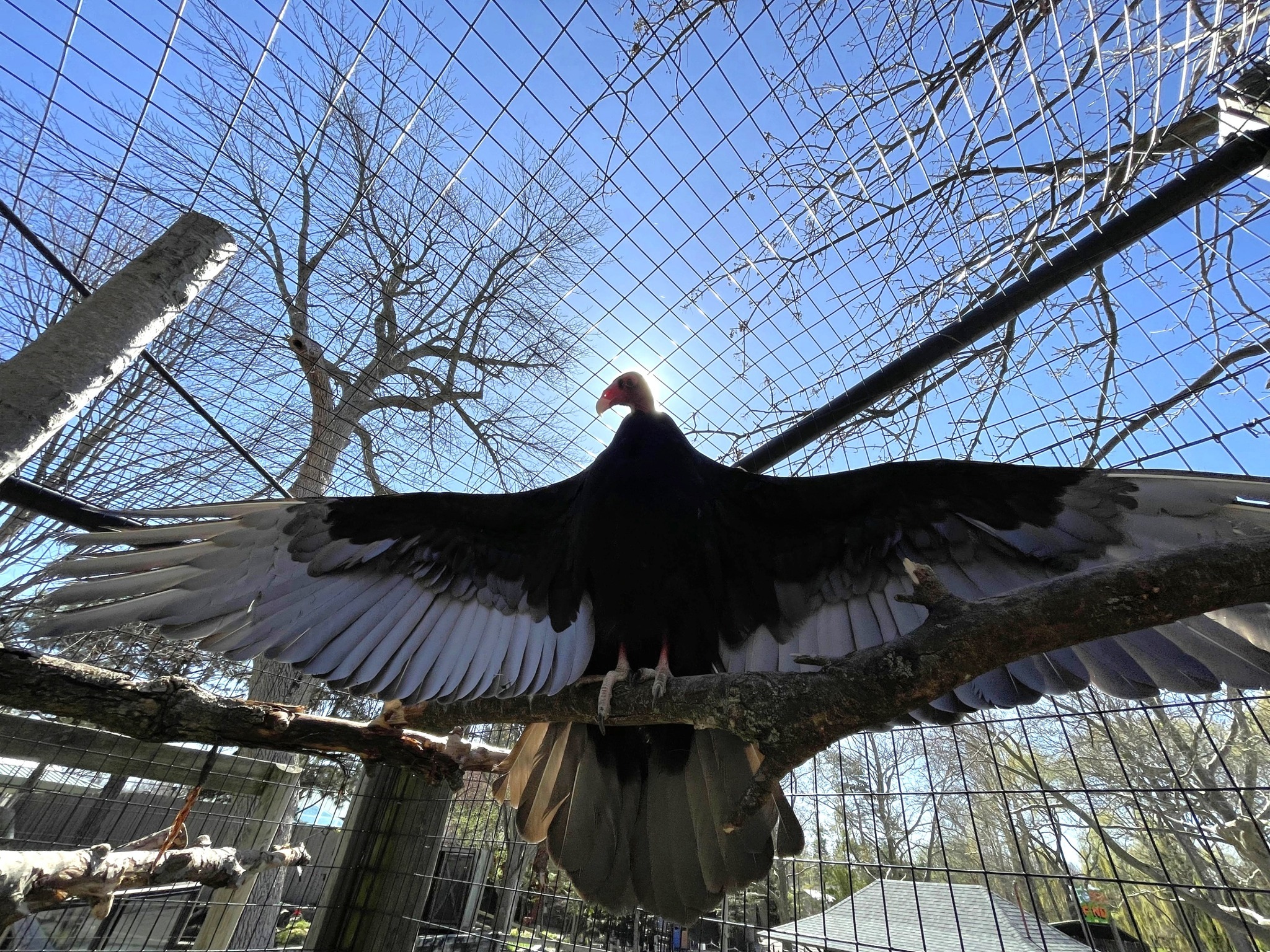
The horaltic pose, as exhibited by our turkey vulture Sammy, is fascinating and serves several essential functions. When Sammy extends his wings and spreads his body, he maximizes exposure to the sun. This behavior is not only aesthetically intriguing but also serves vital purposes that contribute to his health and survival.
As ectothermic creatures, turkey vultures rely on external sources of heat to regulate their body temperature. The horaltic pose allows them to efficiently warm themselves by absorbing sunlight directly onto their feathers. This process is crucial in the early morning when temperatures might still be low. By stretching out in this manner, they ensure they achieve optimal warmth before engaging in their daily activities.
In addition to thermal regulation, the horaltic pose aids in drying feathers after inclement weather. Turkey vultures often experience wet conditions in their environmental settings. Waterlogged feathers can hinder flight and thermoregulation. Sammy’s display of this pose aids in restoring the insulating properties of his feathers, allowing him to maintain his efficient performance in the air.
Moreover, the horaltic pose serves to promote feather health. During this display, turkey vultures can shake off accumulated moisture, thereby decreasing the likelihood of mold and bacterial growth. Their bald heads are also an evolutionary adaptation to minimize bacterial buildup when feeding on carrion. By extending their wings and assuming this pose, they simultaneously address feather hygiene and body warmth, accentuating their well-being.
This fascinating behavior is not only essential for individual turkey vultures but also participates in social dynamics among these birds. Observing Sammy stretching out his wings can also invite other vultures in the area to engage in similar behavior, creating a communal sunbathing activity. This social aspect of vultures continually underscores their interaction with one another in shared habitats, facilitating a bond through essential survival tactics.
The significance of the horaltic pose extends beyond individual health and social interactions. Understanding this behavior offers insights into the ecology of scavengers. For defense, turkey vultures have developed a strong sense of smell and keen eyesight, allowing them to detect food sources from great distances. Their role as scavengers helps to keep ecosystems balanced by consuming decaying animals, preventing the spread of disease and recycling nutrients back into the environment.
Public perception of turkey vultures often leans towards negative connotations due to their association with death and decay. However, their essential role in the ecosystem merits education and awareness. Initiatives aimed at raising awareness about the ecological contributions of these birds help dispel myths and foster a more profound respect for nature’s scavengers.
Education plays an influential role in conservation efforts. Therefore, zoos and wildlife organizations often conduct outreach programs highlighting the value of turkey vultures and other scavengers. By showcasing Sammy and other vultures, organizations aim to educate visitors about their behavior, importance, and conservation status. Experiences that allow the public to observe natural behaviors can encourage a deeper appreciation for wildlife and motivate conservation efforts.
In recent years, habitat loss and human activity have posed significant threats to turkey vultures. Understanding their natural habitat is essential for effective conservation strategies. Protecting roosting and nesting areas helps ensure that these birds have the resources they need to thrive. Local wildlife agencies often work in collaboration with conservation groups to protect areas critical for these scavengers.
Additionally, legal protections are critical for preserving turkey vulture populations. The Migratory Bird Treaty Act provides safeguards that help maintain stable populations throughout America. These legal measures are vital for promoting coexistence between birds and humans, particularly as urban expansion continues to confront natural habitats.
Public education campaigns frequently engage with communities to enhance awareness about turkey vultures and their ecological role. Educating individuals about why species like Sammy should be protected is paramount for fostering understanding and empathy. Events like guided birdwatching tours and informational sessions can further encourage an appreciation for nature and wildlife.
Eradicating myths and fears surrounding turkey vultures would improve their conservation status. Directing attention to their impressive adaptations to scavenging and their ecological role not only enhances public knowledge but aids collaborative efforts to ensure they continue to thrive in the wild.
The horaltic pose performed by Sammy the turkey vulture is a manifestation of natural behaviors that optimize health and social interaction while underscoring the bird’s ecological role. Awareness of these behaviors serves to elevate public appreciation of turkey vultures, inspiring efforts for their conservation and protection. The interconnectedness of ecosystems reminds us that understanding and respecting every species, no matter how unappealing they may seem, is vital for maintaining ecological balance.
When engaging with wildlife, there is often more beneath the surface than first meets the eye. The horaltic pose stands as a testament to the intricate ways in which nature has equipped species to thrive, adapt, and contribute to the world around them. As we observe Sammy basking in the warmth of the sun, we can take a moment to reflect on the importance of protecting not just individual animals but the ecosystems they inhabit. By fostering a culture of respect and responsibility towards wildlife, we can actively participate in the conservation of vital species like Sammy the turkey vulture.
*****
Source Description
🤩 Behold! Our Turkey Vulture Sammy displaying his 𝙝𝙤𝙧𝙖𝙡𝙩𝙞𝙘 𝙥𝙤𝙨𝙚…Why does he do this? Turkey Vultures will do this to spread their body out so that they can catch more sun rays to warm themselves, dry off their wings, and get rid of pesky bugs and bacteria!
📸: Keeper Ky
