
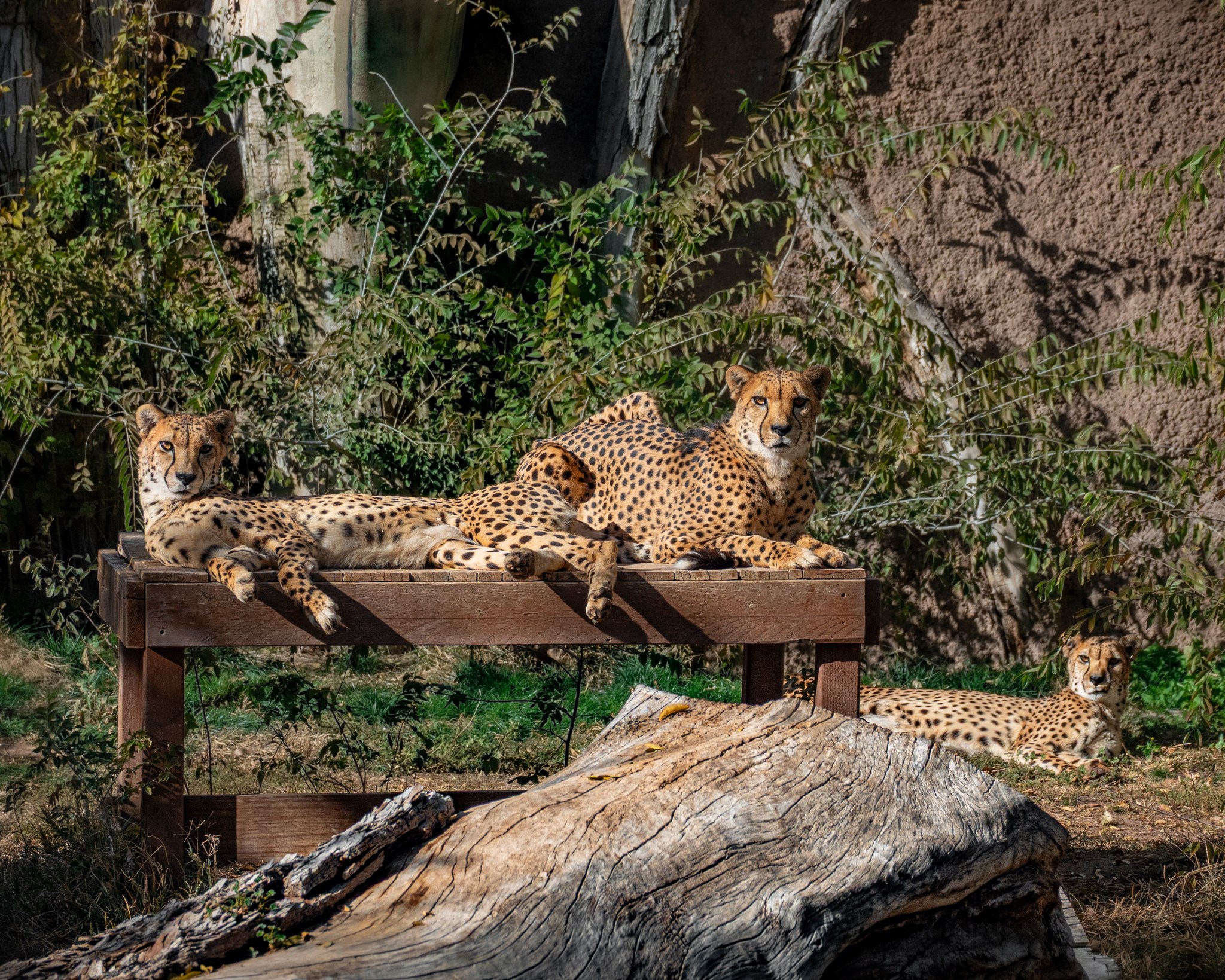
- The significance of International Cheetah Day and its focus on conservation efforts.
- Overview of the cheetah’s unique adaptations and behavior.
- The role of zoos in educating the public and promoting wildlife conservation.
- Introduction to the “Bean Brothers” and their importance in the zoo’s event.
- Details of the event’s activities and how they contribute to learning about cheetahs.
International Cheetah Day takes place on December 6 and serves as a critical reminder of the urgent need for conservation efforts focused on this magnificent species. With fewer than 7,100 individuals remaining in the wild, the cheetah faces significant threats, including habitat loss, human-wildlife conflict, and poaching. This annual event fosters awareness and educates the public about the challenges these cats encounter. By participating in global awareness campaigns, individuals can play a part in a larger effort to decrease the species’ risk of extinction.
Cheetahs are renowned for their incredible speed—a biological wonder that captivates many. Their streamlined bodies and long legs allow them to reach speeds of up to 60 miles per hour in short bursts, enabling them to outrun most other animals in their habitats. Their specialized adaptations include large nasal passages for oxygen intake, large adrenal glands for adrenaline production, and a lightweight frame that enhances agility. Understanding their anatomy and physiology highlights their evolutionary adaptations, which are crucial for surviving in the wild.
The role of zoos in wildlife conservation goes beyond entertainment; they are pivotal in education and research. Zoos provide a setting where the public can learn about various species, including cheetahs, while also serving as centers for captive breeding programs aimed at increasing genetic diversity. By visiting zoos, attendees gain a greater appreciation for wildlife, emphasizing conservation urgency. According to the Association of Zoos and Aquariums (AZA), accredited zoos contribute to species recovery programs, which play a vital role in the survival of endangered species. Events like International Cheetah Day deepen this connection.
As part of the “Don’t cheet-ah yourself out of a fun time with the Bean Brothers!” event, participants will meet three notable cheetahs—Borracho, Garbanzo, and Pinto. Each of these animals is part of a breeding program that emphasizes healthy genetics and contributes to more extensive conservation research. By naming the cheetahs, the zoo not only personalizes them but also encourages visitors to form a bond and connection that fosters interest and care. What makes the involvement of the Bean Brothers special is their representation of different aspects of cheetah care and public engagement efforts.
On December 6, attendees will experience an array of engaging activities, including exploration at discovery tables set up between 10 AM and 2 PM. These tables will feature information on cheetah biology, adaptations, and conservation strategies. Knowledgeable zoo staff will be present to answer questions and share insights. The Keeper Chat, scheduled for 1:30 PM, will provide a more in-depth look at the daily lives of cheetah keepers, their responsibilities, and how each individual contributes to species survival. Such interactions can foster understanding and appreciation for the care that goes into maintaining healthy animal populations.
Understanding the cheetah’s plight also extends to recognizing the broader environmental challenges facing many species today. Rapid habitat loss, often driven by agriculture and urban development, poses a significant threat to the cheetah’s natural environment. Several conservation organizations have highlighted the importance of preserving large tracts of land to maintain the delicate balance of ecosystems that support cheetah populations. Efforts to educate rural communities about sustainable practices and wildlife corridors are continually vital in ensuring coexistence between human populations and wildlife.
Conservation work requires not only funding but also community involvement. Supporters of International Cheetah Day contribute to various initiatives, including community-based conservation programs that directly benefit habitats and local economies. By attending events such as “Don’t cheet-ah yourself out of a fun time with the Bean Brothers,” participants aid in raising awareness and funds essential for ongoing conservation efforts. The more people that engage with events like these, the greater potential for positive change in wildlife habitats.
This event focuses on creating a lasting impression on participants and inspiring action. Children and adults alike will learn about the important symbiotic relationship between cheetahs and their ecosystems. Understanding this relationship highlights how every component of the ecosystem contributes to overall biodiversity. The functionality of various species ensures ecological stability, which plays a role in human well-being as well.
Another critical aspect of conservation revolves around fostering the next generation of wildlife stewards. Engaging children in interactive educational sessions, like the discovery tables and keeper chats, can spark a lifelong passion for wildlife conservation. It is essential to instill a sense of responsibility for the environment within younger generations, encouraging transformative attitudes about wildlife and nature. Programs that include hands-on activities not only make learning enjoyable but also instill a sense of ownership and accountability.
Moreover, the zoo community remains focused on conducting and participating in critical research that informs conservation strategies. Cheetah populations in the wild are under constant monitoring to assess health trends, adaptations to climate change, and challenges brought on by human encroachment. Data obtained from these studies influences management practices in both captive and wild settings.
As attendees engage with the “Bean Brothers” and participate in event activities, they are contributing to a greater understanding of what it takes to conserve species at risk. The combination of education, emotional connection to wildlife, and hands-on experiences empowers guests to become advocates for change. Each encounter, story shared, or interaction with zoo staff further drives home the importance of dedicated efforts towards wildlife survival.
This December 6 event represents more than a celebration; it serves as a catalyst for dialogue about the future of cheetahs in the wild. The interactions at the zoo encourage visitors to think critically about environmental issues and consider their roles in advocating for wildlife conservation. Every small action contributes to a larger picture, where every individual can help to preserve nature.
By participating in the “Don’t cheet-ah yourself out of a fun time with the Bean Brothers!” event, visitors gain valuable insights about one of nature’s fastest creatures while also being part of a community striving to impact wildlife conservation positively. Each discussion, event, and interactive experience reinforces the importance of remembering what’s at stake. Knowledge empowers action, and by learning about the cheetah, we step closer to ensuring their survival for generations to come.
This International Cheetah Day is not merely a date on the calendar, but rather a pivotal moment to come together as a community to celebrate and advocate for one of Earth’s most extraordinary cats. Don’t miss the opportunity on December 6 to dive into the world of cheetahs, witness the charm of the Bean Brothers, and contribute meaningfully toward their conservation. The stakes are high, and the commitment is profound.
*****
Source Description
Don’t cheet-ah yourself out of a fun time with the “Bean Brothers”! Sprint into the zoo on Saturday, December 6, then relax with Borracho, Garbanzo, and Pinto for International Cheetah Day. Explore discovery tables from 10 am to 2 pm and a Keeper Chat scheduled for 1:30 pm to learn all about these speedy cats and their race for survival against extinction. See more here at the link in our bio under “Upcoming Events”!
