
- Andean condor’s physical characteristics and habitat
- Importance to the ecosystem and scavenging behavior
- Conservation status and the reasons for population decline
- Current conservation strategies and efforts
- Ways individuals can contribute to Andean condor conservation
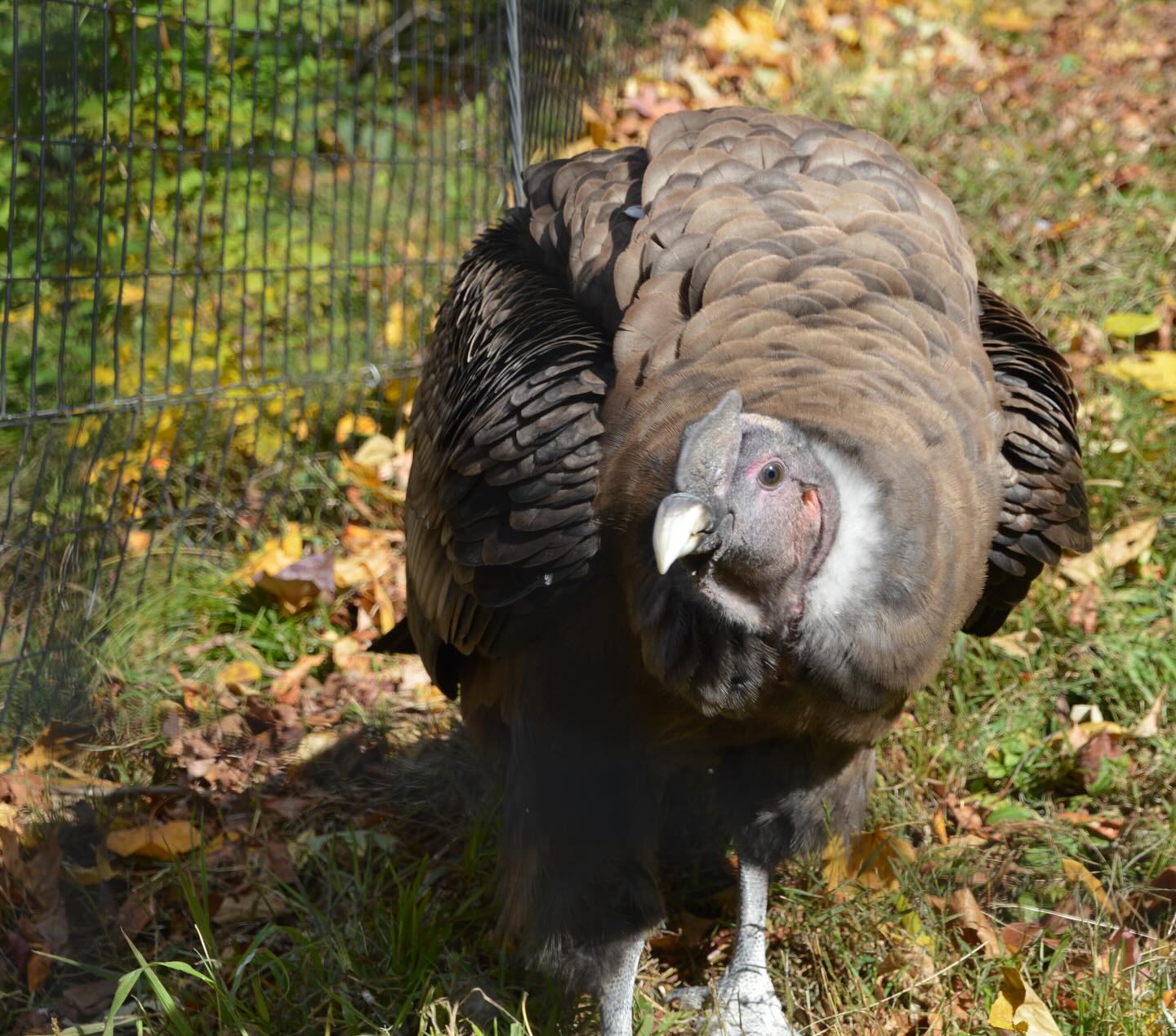
The Andean condor, a magnificent bird, is one of the largest flying land birds in the world. With wingspans often exceeding 10 feet, these impressive creatures are well adapted for soaring high in the sky. Native to the Andes mountains in South America, condors have adapted to a range of environments, including arid and alpine regions. Their physical characteristics make them one of the quintessential birds of prey. Adults are distinguished by their striking black and white feather patterns, while juvenile condors, like Luca, display brown feathers until they reach maturity. This coloration plays a significant role in their development, as their adult feathers offer them greater camouflage as they mature.
Andean condors primarily inhabit habitats ranging from coastal regions to the high peaks of the Andes. They favor open areas that allow for uninterrupted air flow, essential for their soaring behavior. These birds rely heavily on thermal updrafts to glide gracefully over vast distances, which is crucial for their energy-efficient method of foraging. Observing such a magnificent bird in its natural habitat is an awe-inspiring experience.
The ecological role of the Andean condor is fundamentally important. As scavengers, they feed primarily on carrion, consuming the remains of dead animals. This scavenging behavior helps recycle nutrients back into the ecosystem, ultimately supporting healthier environments and reducing the spread of diseases among wildlife and livestock. Their presence can indicate ecosystem health; a decline in condor populations may signal broader environmental issues that require attention.
However, the International Union for Conservation of Nature (IUCN) has listed the Andean condor as “Vulnerable.” Various factors contribute to this status. Habitat loss is one of the major threats these birds face, often stemming from human encroachment for agriculture, urban development, and logging. As natural habitats diminish, condors struggle to find suitable nesting and foraging sites.
Additionally, poisoning is a significant concern. Condors are often the unintended victims of livestock carcasses that have been treated with toxic substances. Ranchers, who mistakenly believe that condors are responsible for livestock losses, may intentionally or inadvertently harm these birds. Furthermore, hunting poses another threat. Despite regulations, illegal hunting still takes place, further jeopardizing condor populations.
These birds reproduce slowly, laying only one egg every couple of years. This slow reproductive rate means that population recovery takes considerable time. As older condors die, the younger birds often struggle to replace them, leading to gradual declines in numbers. Given these challenges, conservation efforts are crucial in ensuring the survival of the Andean condor.
Organizations like the Brandywine Zoo play an essential role in these efforts, contributing to the Zoo Conservation Outreach Group (ZCOG). ZCOG’s initiatives promote habitat conservation and the careful management of species such as the Andean condor. The Andean Condor Conservation Project, supported by ZCOG, focuses on breeding programs designed to reintroduce condors into suitable habitats throughout the Andes. These programs not only aim to bolster existing populations but also work to create more informed public perceptions about condors, addressing misconceptions that lead to their decline.
Visitors to facilities like the Brandywine Zoo contribute to these conservation efforts through their support and donations. The zoo regularly updates its Keeper wish list, highlighting specific needs related to animal enrichment. Engaging with the zoo offers people the chance to learn more about wildlife conservation and the specific challenges facing Andean condors, including the impacts of habitat loss and poisoning.
Luca, the Andean condor currently residing at the Brandywine Zoo, serves as an ambassador for his species. While he is still in his juvenile stage, lacking the adult feathers characteristic of mature condors, his presence helps educate visitors and raise awareness about the species’ plight. Despite his brown feathers, Luca plays a vital role in capturing the attention of those who come to learn about these incredible birds and the conservation challenges they face.
Individuals looking to help these majestic birds can get involved in several ways. Donating to organizations focused on wildlife conservation, participating in local or international wildlife protection programs, and spreading awareness about the threats faced by the Andean condor are all viable options. Volunteering time or resources can also contribute to the overall success of these efforts.
Engaging with the zookeeper community or attending educational seminars further enhances one’s understanding of the complexities behind wildlife management and conservation. Education is key to fostering a deeper appreciation for species like the Andean condor, encouraging more people to take action in support of biodiversity.
The plight of the Andean condor underscores the interconnectedness of ecosystems and the consequences of human activity. By choosing to recognize and address these critical issues, we take steps towards safeguarding not only the Andean condor but also the myriad species that share its habitat.
The next time you see Luca in his habitat at the Brandywine Zoo, remember that he represents much more than just a rare bird. He embodies the collective efforts of conservationists, researchers, and passionate individuals committed to preserving the beauty of our planet’s natural history. Each person’s contribution can help turn the tide for the Andean condor, ensuring that future generations can witness these incredible birds soaring across the Andean mountains. By supporting conservation initiatives, we can protect Luca and his kin and promote biodiversity in the ecosystems they inhabit.
*****
Source Description
Andean Condor “Vulnerable” – Luca
This is Luca; he is an Andean condor. Found in the high mountains of South America, these birds are among the largest flying landbirds in the world, with wingspans exceeding 10 feet. Andean condors rely on thermal updrafts to soar effortlessly across vast distances while searching for carrion (dead prey to scavenge), playing an important role in the ecosystem by helping to recycle nutrients and prevent the spread of disease.
The Andean condor is listed as “Vulnerable” by the International Union for Conservation of Nature (IUCN). Habitat loss, poisoning, and hunting have all contributed to population declines, particularly in areas where condors are mistakenly blamed for livestock losses. Because these birds reproduce slowly, population recovery is gradual. Conservation efforts focus on protecting habitat, reducing human-related threats, and breeding programs that support the reintroduction of condors into their native range.
How You Can Help: “We can help Andean condors by visiting the Brandywine Zoo! The Brandywine Zoo contributes to the Zoo Conservation Outreach Group (ZCOG), which promotes wildlife and habitat conservation throughout the Americas. ZCOG helps fund and support the Andean Condor Conservation Project, which helps breed and release condors back into their native range through the Andes.” – (Lauren Barczak-Domingo) (Curator of Conservation Science and Learning)
Fun Fact: “Luca is still very young and hasn’t developed his adult feathers yet. When they grow in, they will be black and white, but for now, he still has his brown juvenile feathers.” – (Luvina Cooley) (Manager of Volunteers)
For Giving Tuesday, the Brandywine Zoo is asking for donations to its Keeper wish list. If you are inclined to donate, the link is https://brandywinezoo.org/support/animal-enrichment-wish-list/. Your support is truly appreciated by the animals and staff.
