
- The significance of flamingos in wildlife conservation and education
- The role of The DPZ guest services in enhancing visitor experiences
- Behavioral characteristics and species diversity of flamingos
- Conservation efforts targeted at flamingos and wetland habitats
- The intersection of aesthetic appeal and educational initiatives in zoo settings
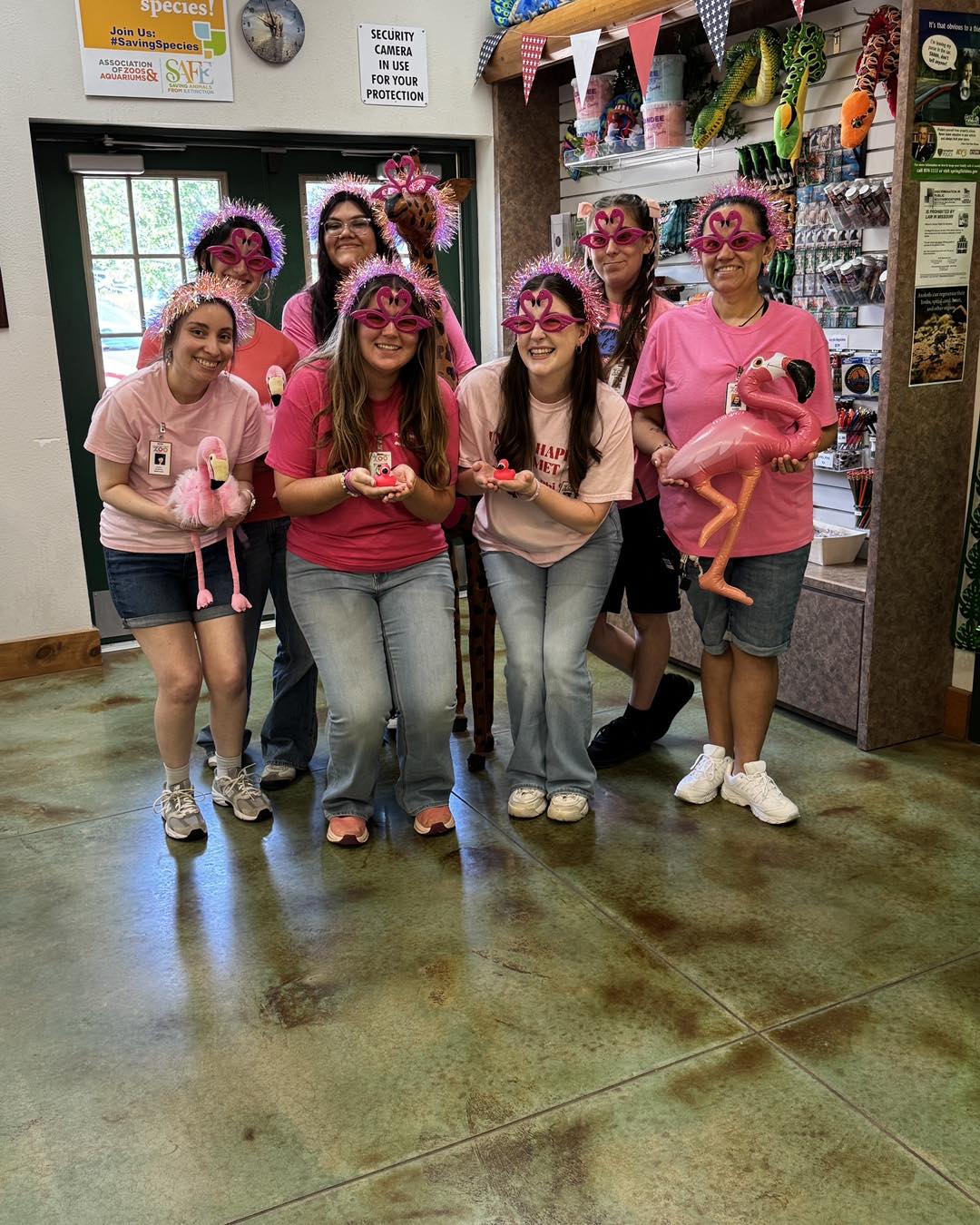
The vibrant world of flamingos captivates audiences with their striking pink colors and social behaviors. They exemplify not only beauty in wildlife but also serve as indicators for environmental health. The DPZ guest services flamboyance is rocking the pink and ready to flamingle, embracing this captivating species to engage visitors in meaningful ways. Flamingos appeal to people of all ages, providing a perfect backdrop for fostering a deeper understanding of wildlife conservation.
Flamingos are a key focus for conservationists, educators, and zoo professionals alike. The DPZ guest services staff is dedicated to using flamingos as a vehicle for promoting the message of conservation and ecological awareness. These majestic birds thrive in specific wetland environments, making them vital to the ecosystems they inhabit. By engaging visitors and educating them on flamingo behaviors and habitats, The DPZ emphasizes the broader implications of habitat protection for various species.
Flamingos belong to the family Phoenicopteridae and can be found in various regions, including parts of Africa, Asia, the Americas, and Europe. Each species exhibits distinct characteristics, yet they all share similar social structures and feeding techniques. For instance, the Lesser Flamingo (Phoenicopterus minor) is known for its smaller size and preference for highly saline lakes, while the American Flamingo (Phoenicopterus ruber) is famous for its vibrant pink feathers and long legs.
Understanding the behaviors of flamingos sheds light on their unique social structures. These birds are highly social and often gather in large flocks that can consist of thousands of individuals. This flocking behavior creates a dynamic social community where they engage in synchronized activities, such as feeding and preening. The visible coordination among flamingos not only demonstrates their social bonding but also functions as a survival tactic against predators. This aspect of flamingo life is a critical focal point for visitors at The DPZ, encouraging them to appreciate the interconnectedness of species within ecosystems.
The ability of flamingos to thrive in extreme environments is also notable. Their feeding strategy involves filter-feeding, where they use their specialized beaks to siphon small organisms from the water. They predominantly consume algae, brine flies, and small crustaceans. Their striking coloration is a direct result of their diet, primarily carotenoid pigments found in the food they consume. This biological connection between diet and color is often highlighted in presentations and interactions at The DPZ guest services, revealing the complexities of animal physiology.
In addition to education on their biology and behavior, The DPZ contributes to wider conservation efforts. With habitat loss primarily driving flamingo populations towards decline, initiatives aimed at protecting wetlands are essential. The DPZ collaborates with organizations dedicated to restoring and preserving these critical habitats. By highlighting the importance of these ecosystems, the zoo creates a narrative that emphasizes our shared responsibility for wildlife.
Guest services at The DPZ play an integral role in enhancing visitor experience, especially concerning flamingos. They curate informational displays, provide guided tours, and facilitate interactive sessions where guests can learn about flamingo habits and their natural habitats. The staff is trained not only in animal care but also in effective communication. Their ability to engage visitors in lively discussions enriches the experience, making information accessible to individuals of all backgrounds.
Conservation education is inherently tied to the aesthetic appeal of these charismatic birds. The bright pink of flamingos can draw visitors in, serving as an entry point for discussing broader ecological issues. The vibrant color becomes a symbol of biodiversity and the importance of safeguarding the environments that support such species. The DPZ capitalizes on this appeal by hosting themed events and educational programs centered around flamingos, encouraging ongoing public engagement.
The significance of flamingos extends beyond mere aesthetics. They play a critical role in the health of their ecosystems. By controlling algae populations and enriching the soil through their feeding activities, flamingos contribute to the balance of their habitats. Their presence is often used as an indicator for the ecological integrity of wetland areas. Therefore, when efforts are made to conserve flamingo populations, the initiative has cascading effects on many other species local to those ecosystems.
Wetland conservation is a challenging undertaking. These habitats face numerous threats, including pollution, climate change, and urban development. The DPZ is actively involved in raising awareness about these challenges and advocating for sustainable practices. Educational programs demand that visitors reflect on their impact on these environments. This engagement spurs discussions at The DPZ on environmentally friendly behaviors, urging the community to participate in conservation efforts.
Behavioral studies conducted by The DPZ provide valuable insights that contribute to our understanding of flamingo social structures and practices. Observing their breeding behaviors, for instance, reveals their courtship displays, which involve elaborate rituals of dancing and synchronized movements. Understanding these natural behaviors is crucial for developing effective conservation strategies. It underscores the need for continued research as threats to their habitats grow and populations decline.
Another essential aspect of The DPZ’s mission concerning flamingos and guest services is community involvement. Public participation is invaluable, and The DPZ organizes volunteer opportunities and educational workshops targeting local schools and organizations. These initiatives help to ignite a passion for conservation in younger generations. Providing hands-on experiences allows people to form personal attachments to wildlife and understand their roles in preserving biodiversity.
Flamingos also serve as ambassadors for many species facing similar threats. Highlighting the vulnerabilities of flamingos urges visitors to consider the fate of other wildlife affected by similar environmental changes. The DPZ leverages this opportunity, using flamingos as a gateway to discuss global conservation issues. This approach promotes empathy and responsibility towards all wildlife and encourages individuals to explore ways to contribute positively, whether through volunteering, donating, or changing their lifestyle choices.
In addition, The DPZ guest services team creates memorable experiences that foster excitement about the natural world. The interaction with wildlife can spark curiosity, leading visitors to inquire further about flamingo habitats, diet, and conservation efforts. Engaging presentations are often supplemented with visual aids, interactive displays, and genuine encounters that enhance learning. The aim is to ensure that the connection between the visitor and flamingo remains strong long after they leave the zoo grounds.
The importance of community outreach cannot be understated. It broadens the impact of conservation messages, fostering a culture where wildlife is respected and protected. Collaborations with local businesses, schools, and other organizations amplify The DPZ’s reach, making the discourse surrounding flamingos and conservation a shared community effort. Events organized around flamingos not only raise funds but also build partnerships that extend into wider environmental initiatives.
Flamingos are much more than charming creatures; they are vital components of their ecosystems, deserving of protection and respect. The DPZ guest services flamboyance is rocking the pink and ready to flamingle, showcasing these spectacular birds while promoting essential conservation messages. By focusing on education, community engagement, and active involvement in conservation efforts, The DPZ ensures that flamingos remain a source of fascination and inspiration for generations to come.
Through its dedication, The DPZ highlights the significance of flamingos and their ecosystems. It encourages visitors to appreciate not only their beauty but also their ecological functions and the challenges they face. This multifaceted approach toward conservation leverages the natural allure of flamingos, ultimately fostering a community that actively participates in preserving their environments. Flamingos stand as a symbol of hope, resilience, and the ever-present need for collective action in wildlife conservation.
*****
Source Description
The DPZ guest services flamboyance is rocking the pink and ready to flamingle. 💕🦩💕🦩
