
- The significance of Easter in the context of nature and wildlife observation.
- Understanding the Eastern painted turtle: habitat, behavior, and conservation.
- Protocols for visiting the Nature Center and animal exhibits.
- The role of volunteers in wildlife photography and outreach.
- Engaging with social media to promote wildlife awareness and conservation.
Easter Sunday represents a significant occasion for family gatherings and outdoor activities. For many, it serves as an opportunity to reconnect with nature. Visiting the Nature Center on this day enables families to not only enjoy wildlife observation but also engage in meaningful conversations about conservation. The experience can help individuals develop a better understanding of their local ecosystem and the species that share it.
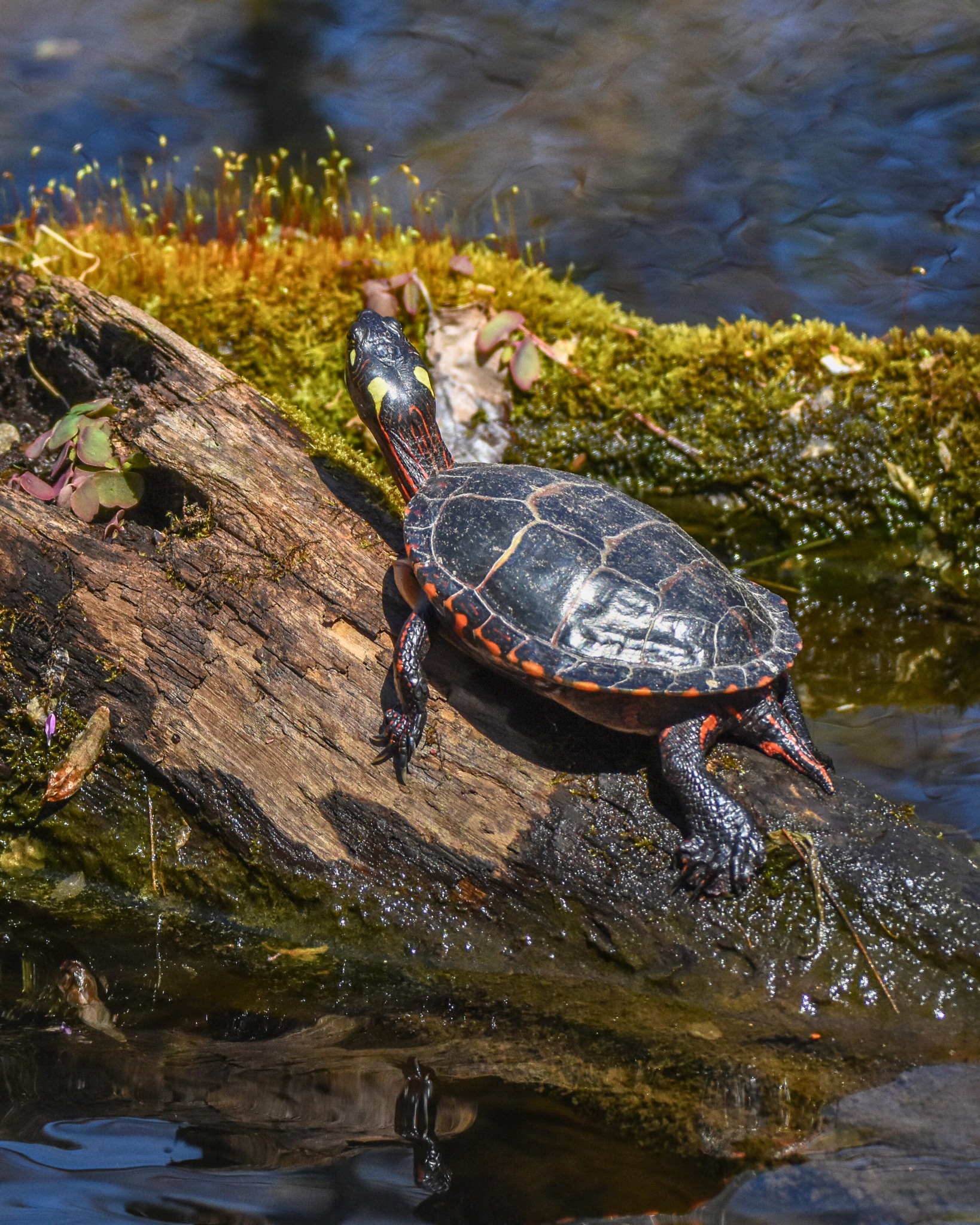
One captivating resident of many nature centers is the Eastern painted turtle. Found throughout North America, this species thrives in various freshwater environments—ponds, lakes, and slow-moving rivers. Known for its vibrant shell adorned with striking patterns, the Eastern painted turtle offers an outstanding example of biodiversity. These turtles are typically active during the warmer months and can be observed basking on logs or sunken branches, an essential behavior that helps regulate their body temperature.
Understanding their habitat preferences is crucial for species conservation efforts. The Eastern painted turtle often inhabits areas rich in vegetation, which not only provide shelter but also serve as breeding grounds. These turtles are omnivores, feeding on aquatic plants, small fish, and invertebrates. This diet underscores their role in the ecosystem, as they help maintain a balanced food web.
Visiting the Nature Center allows guests to observe these fascinating creatures in their exhibits. It’s essential for visitors to follow certain protocols while exploring these areas. Each animal exhibit is designed to replicate natural conditions, giving visitors a glimpse into the lives of various species. Signs around the exhibits provide essential information on each animal, including their habitats, diets, and conservation statuses. Engaging with this educational content enriches the experience, fostering a more profound respect for wildlife.
In this setting, volunteers play a pivotal role. Many individuals dedicate their time to help with various tasks, including animal care, education, and photography. Volunteer photographers, like Karen T., work tirelessly to capture the essence of the animals in their care. Their images not only showcase the beauty of wildlife but also support outreach efforts. Visual storytelling significantly enhances public engagement, offering a visual connection to conservation topics.
Effective communication also extends to social media platforms, where organizations encourage visitors to share their experiences. The post inviting people to “tag us” in their photos highlights a growing trend in wildlife conservation: community involvement through digital means. By sharing snapshots, visitors can raise awareness about different species and their habitats. This further spreads knowledge and appreciation for our natural world.
Social media has transformed public engagement with conservation efforts. Many nature centers now utilize platforms to connect with a broader audience, providing updates on animal care, educational programs, and successes in conservation. Encouraging visitors to participate and share their experiences bolsters a collective effort to raise awareness about the importance of wildlife preservation.
Educational programs are often complemented by seasonal events. Activities tailored for holidays, such as Easter, provide families opportunities to bond over shared interests in nature and learning. Engaging interactive exhibits allow children to discover the wonders of local wildlife, deepening their appreciation for the environment. Craft stations, guided tours, and special presentations about various species make these outings both informative and fun.
Volunteering at the Nature Center can be rewarding for those passionate about wildlife. Opportunities range from assisting with daily operations to educational outreach programs. Those interested in animal care can gain hands-on experience while learning about best practices for maintaining animal health and welfare. This practical knowledge contributes to community understanding of responsible wildlife interactions.
As visitors enjoy the Nature Center’s exhibits, discussions on conservation become inevitable. Wildlife preservation is not merely a trend but a necessity in today’s society. Numerous species face threats from habitat destruction, climate change, and pollution. By promoting awareness through educational endeavors, nature centers strive to inspire action among their visitors.
Additionally, the benefits of wildlife conservation are far-reaching. These initiatives not only help preserve biodiversity but also contribute to ecosystem services. Healthy ecosystems provide clean water, improve air quality, and support agriculture. Therefore, protecting species goes hand in hand with ensuring a sustainable future for our planet.
One of the significant hurdles in conservation is habitat loss due to urban development. As populations expand, green spaces are often sacrificed for development. Educational institutions can address these challenges through targeted programs that shed light on local environmental issues. Citizen science projects, for instance, encourage community involvement in monitoring wildlife populations, providing valuable data for scientists.
Engaging visitors through direct wildlife interaction fosters a stronger sense of responsibility toward environmental stewardship. The Nature Center, especially during events like Easter, serves as a reminder of the intricate balance between human activity and natural ecosystems. It is vital that individuals recognize the impact of their actions on local wildlife and take proactive steps to protect their habitats.
Public awareness campaigns can also provide strategies for reducing one’s ecological footprint. Simple changes in daily habits, such as recycling, conserving water, and reducing waste, contribute to the collective effort of preserving nature. The Nature Center can lead workshops that teach visitors how to implement these practices effectively within their communities.
Seasonal events, like the Easter gathering, create an atmosphere where families can celebrate while also learning about nature. These occasions facilitate conversations that encourage ongoing conservation efforts. Moreover, they offer an avenue for building lifelong connections to the natural world.
Visiting the Nature Center during special occasions fosters a sense of community and shared purpose. Together, families can explore the wonders of the animal exhibits and appreciate the effort that goes into wildlife conservation and education. Understanding the significance of the species they observe, such as the Eastern painted turtle, creates a deeper appreciation for biodiversity.
Ultimately, visits to the Nature Center are more than just outings; they represent engagement with broader environmental issues. Observing animals in a safe and controlled environment reinforces the importance of habitat preservation. Children, in particular, benefit from witnessing wildlife interactions, as these experiences spark curiosity and promote lifelong learning.
As visitors wander through the exhibits, they contribute not only to the success of their local Nature Center but also to nationwide conservation efforts. Each act of sharing wildlife experiences and committing to conservation can lead to a ripple effect, encouraging others to take part.
Whether it’s stopping by the Eastern painted turtle exhibit or participating in an educational workshop, visitors are invited to embrace their wild side this Easter Sunday. Engaging with nature at the Nature Center offers a vibrant opportunity for families to learn, appreciate, and contribute to wildlife conservation, creating lasting memories and a hopeful future for the planet.
*****
Source Description
🌸We’re open on this Easter Sunday! Come visit the Nature Center today and take a shell-fie at your favorite animal exhibit. Don’t forget to tag us! We love seeing your wild side.
📷An Eastern painted turtle photographed by volunteer photographer Karen T.
