
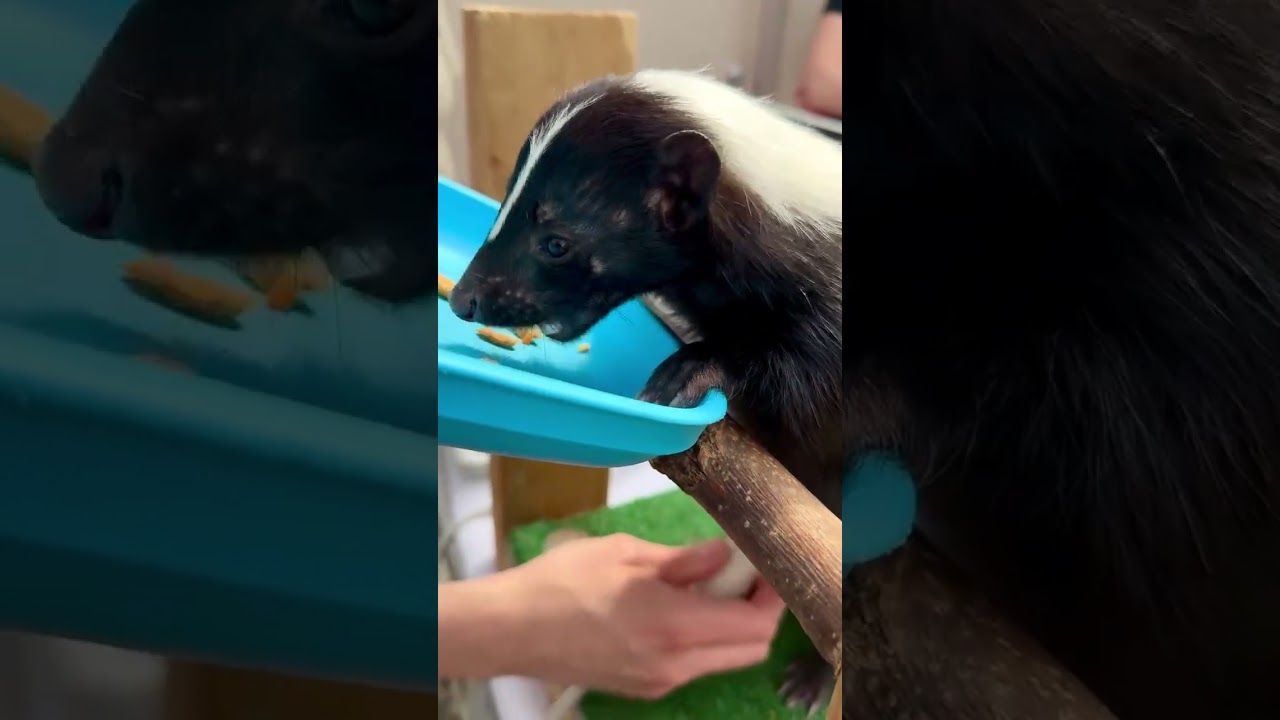
- Discuss the biology and reproductive behavior of skunks, focusing on Lily and her pregnancy.
- Explore the significance of wildlife conservation and the role of zoos in preserving skunk populations.
- Detail the challenges and responsibilities of zoo management in caring for pregnant animals like Lily.
- Highlight the educational value of observing and documenting skunk pregnancy and behavior.
- Offer insights into the importance of public awareness and involvement in wildlife conservation efforts.
The remarkable journey of Lily the skunk’s pregnancy offers an engaging entry point into the fascinating world of skunks, their biology, and the critical role that zoos play in wildlife conservation. By examining skunk reproductive behavior, the importance of conservation, the challenges faced in zoo management, and the educational opportunities these scenarios provide, we gain a deeper appreciation and understanding of these misunderstood creatures.
Skunks, specifically Lily, who is now expecting, are members of the Mephitidae family. This family is known for their distinctive musk, a defense mechanism used to repel threats. Skunks are solitary animals and primarily nocturnal, with their activity peaking during the night. Lily’s pregnancy is a unique opportunity to observe skunk reproductive behavior.
Female skunks experience one breeding season per year, typically in early spring. After mating, the gestation period lasts about 60 to 77 days. During this time, the female prepares a secluded den where she can safely give birth and care for her young. Lily’s pregnancy will result in the birth of a litter ranging from two to ten kits. These kits are born blind and deaf, relying fully on their mother for survival, demonstrating the intensity of parental investment in ensuring offspring survival.
Wildlife conservation plays a pivotal role in preserving animal species like skunks, which hold significant ecological value. Skunks act as natural pest controllers, consuming insects and rodents. However, they face threats from habitat destruction, road fatalities, and human-induced challenges. Zoos provide a controlled environment where species like Lily can be bred under optimal conditions, contributing to the preservation of genetic diversity.
Zoos like the one caring for Lily are pivotal in conservation efforts. These institutions engage in breeding programs aimed at maintaining healthy populations of various species, skunks included. By participating in species survival programs, zoos help prevent the decline of skunk populations in the wild. They also serve as educational platforms, raising public awareness about the importance of protecting wildlife habitats and supporting conservation efforts.
The complexities of zoo management become particularly evident when caring for pregnant animals like Lily. Zoo staff must ensure that the environment provides adequate nutrition, comfort, and security. This includes regulating habitat temperatures, offering a balanced diet, and minimizing stressors. Vets and zookeepers work closely to monitor Lily’s health and well-being throughout her pregnancy, ready to intervene if complications arise.
Well-managed zoos create enrichment programs designed to stimulate animals physically and mentally. For Lily, this might involve activities that engage her natural digging and foraging behaviors. Such stimuli are crucial for maintaining her physical health and mental acuity, particularly during the critical phase of pregnancy.
The educational impact of observing skunk pregnancies is substantial. Zoos use these situations as educational tools, helping visitors develop a better understanding of skunks, their biology, and their role in the ecosystem. Documenting Lily’s pregnancy offers valuable insights into skunk behavior and development, enriching our knowledge and fostering a greater appreciation for these animals.
Increased public awareness about wildlife conservation is crucial. As visitors engage with stories like Lily’s, they are encouraged to consider their impact on the environment and become active participants in conservation efforts. This includes supporting laws that protect natural habitats, participating in conservation advocacy, and adopting sustainable practices.
In summary, Lily the skunk’s pregnancy serves as a microcosm of the broader themes of animal reproductive behavior, conservation, zoo management, and education. By comprehensively understanding the biology and needs of skunks, we advocate more effectively for their protection and highlight the indispensable work that zoos perform in championing wildlife survival.
*****
Source Description
Big news from our small (and slightly stinky 😉) friend… Lily the skunk is expecting!
Lily has even been voluntarily participating in her ultrasounds, helping our care team monitor her pregnancy every step of the way. Zoo Babies is going to be FUN this year!
