
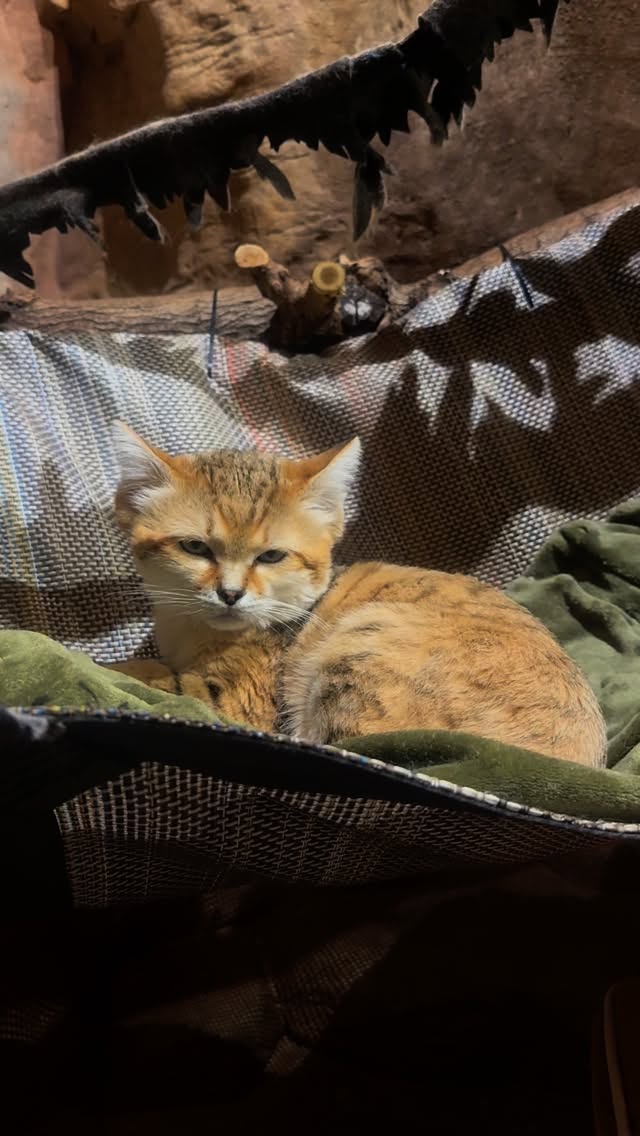
- Understanding the habitat and lifestyle of sand cats
- Examining the sand cat’s physical and behavioral adaptations
- The significance of sand cats in their ecosystem
- The challenges facing sand cats in the wild
- Conservation efforts and the future of sand cats
Sand cats, known scientifically as Felis margarita, inhabit the arid regions of the African Sahara and parts of Central Asia. These small wildcats exhibit remarkable adaptations that allow them to thrive in extreme environments where few other species can survive. The sand cat’s behavior can be distilled into a simple mantra: Eat. Sleep. Sharpen Claws. Repeat. This cycle not only outlines their daily activities but also highlights their ecological role and the challenges they face in the wild.
Understanding the habitat and lifestyle of sand cats involves looking at their environment and how they have adapted to it. Sand cats predominantly dwell in sandy deserts, where temperatures can soar during the day and plummet at night. Their burrowing behavior, wherein they create underground dens, serves multiple purposes. These dens offer protection from the harsh sun and provide a cool respite from desert heat. During the day, sand cats often retreat to these shelters, emerging at night when they are most active. This nocturnal behavior aligns with their hunting patterns, allowing them to take advantage of the cooler temperatures.
Sand cats primarily prey on small rodents, birds, and insects. Their hunting strategy is highly effective; they employ stealth and surprise, stalking their prey before launching a quick pounce. Their keen hearing aids in locating movement beneath the sand, which is crucial for hunting rodents that burrow underground. The conservation of energy by remaining inactive during the scorching heat of the day helps sand cats maintain their hunting efficiency at night. This pattern contributes to their success as predators in this challenging habitat.
Examining the physical and behavioral adaptations of sand cats reveals how evolution has shaped this species. Their fur is sandy-colored, providing excellent camouflage against the desert landscape. Unlike many other felids, sand cats do not require a constant water source. Instead, they derive the necessary moisture from their prey, showcasing an extraordinary adaptation to their environment.
Playing an essential role in their ecosystem, sand cats help regulate the populations of rodents and insects. By controlling these populations, they contribute to maintaining the balance of the desert ecosystem. The presence of sand cats can indicate the health of their environment; a stable sand cat population suggests a balanced ecosystem with abundant prey.
However, this intriguing species faces numerous challenges in the wild. Habitat destruction due to human activities, such as agriculture and urban development, poses significant threats to their populations. Additionally, climate change exacerbates the harshness of their environment, leading to diminishing food sources. The depletion of prey species and increased desertification can have catastrophic effects on sand cat survival.
Conservation efforts aimed at protecting sand cats are crucial for their future. Various wildlife organizations are working to monitor sand cat populations and their habitats. Awareness campaigns that educate local communities about the ecological importance of sand cats are also essential. By encouraging sustainable land-use practices, these initiatives aim to preserve the natural habitats where sand cats reside.
Moreover, legal protection of sand cats in various regions is necessary to prevent poaching and habitat encroachment. Ensuring that protected areas are established can offer a secure refuge for these elusive cats. Involving local communities in conservation strategies creates a vested interest in protecting sand cats and their habitats.
The cycle of Eat. Sleep. Sharpen Claws. Repeat is more than a simple observation of sand cat behavior; it is a representation of survival in one of the harshest environments on earth. Sand cats have adapted to their surroundings in remarkable ways, exhibiting behaviors that allow them to thrive despite the odds. Continued research and conservation efforts are essential in ensuring that these fascinating creatures remain a vibrant part of the desert ecosystem for generations to come.
*****
Source Description
Eat. Sleep. Sharpen Claws. Repeat.
Sand cats are native to the dry deserts in the African Sahara. They often sleep in underground dens during the day to avoid the intense heat. This helps them conserve their energy for hunting at night!
