
- Serval Anatomy and Physical Features
- Hunting Skills and Behaviors
- Habitat and Distribution
- Conservation Status and Threats
- Visiting Servals in Zoos
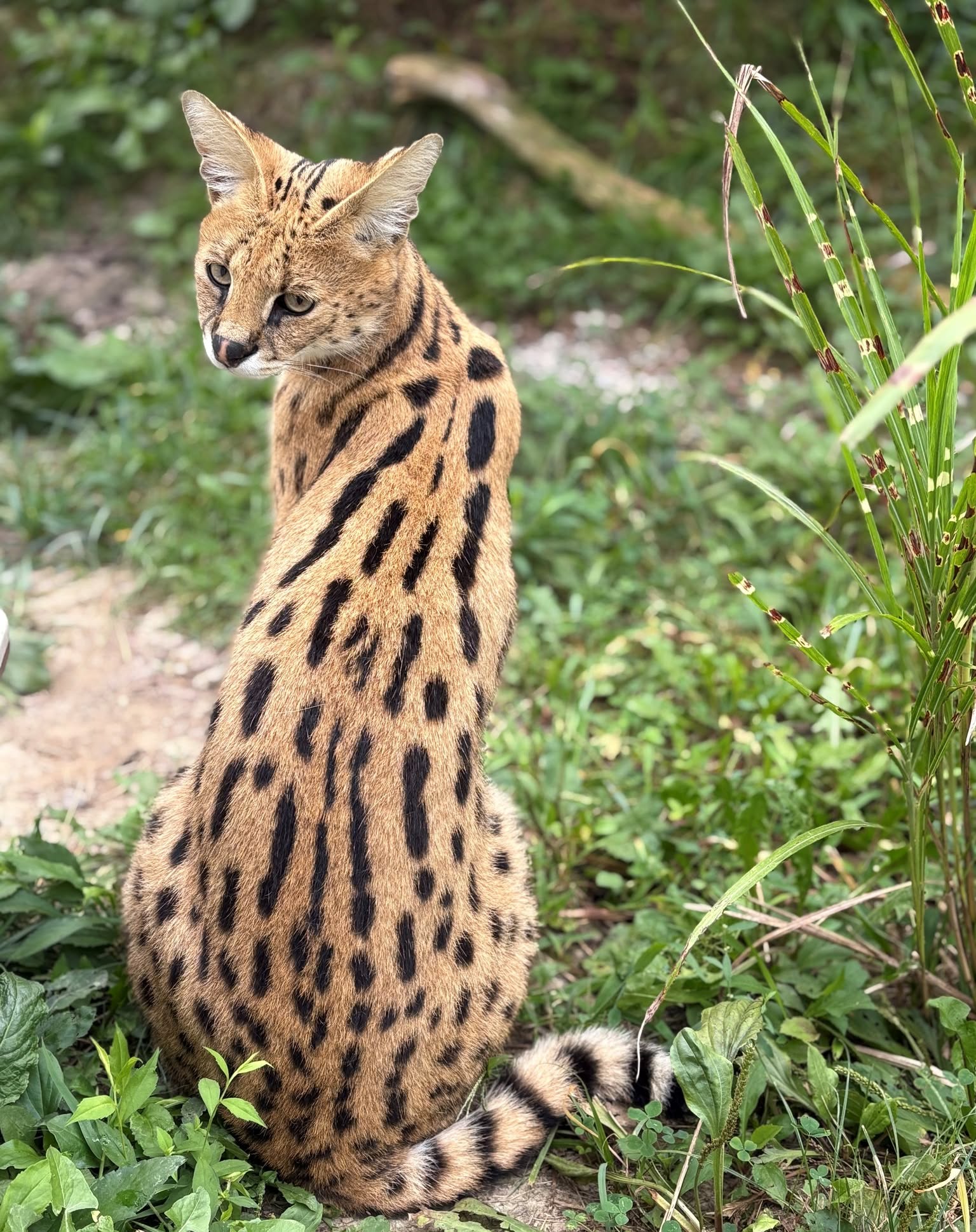
Servals are fascinating creatures known for their striking appearance and impressive hunting skills. These medium-sized wild cats boast long legs, large ears, and a sleek body adapted to life in the African savannah. Their coat features a combination of spots and stripes, a characteristic that sets them apart from other felines. This unique combination not only adds to their beauty but also aids in camouflage, allowing them to blend seamlessly into their grassland habitats.
The serval’s anatomy is specifically adapted for its hunting lifestyle. The long legs provide excellent agility and speed, allowing these cats to navigate their environment with ease. Their oversized ears are one of their most distinctive features; they serve a crucial purpose in locating prey. These ears are capable of picking up the faintest of sounds, such as the rustling of small mammals in the grass. Servals rely on this acute hearing to hunt effectively.
What truly amazes observers is the serval’s ability to leap. These cats can jump up to 7 feet into the air, making them specialized hunters of birds. They can catch flying birds mid-flight, an impressive feat that requires not only strength but also precision. This remarkable skill showcases their ability to adapt and thrive within their ecosystem.
The serval’s diet consists primarily of small mammals, birds, and reptiles. They are known for their stealthy approach; servals will often stalk their prey before making a sudden and powerful leap. Their hunting prowess is further enhanced by their keen eyesight, which allows them to spot potential meals from great distances.
In terms of habitat, servals are native to various regions across Africa, particularly in areas with tall grasses, wetlands, and savannas. They are more commonly found in parts of sub-Saharan Africa, where the environment supports their hunting techniques. Although servals are relatively widespread, their population is facing pressure due to habitat loss. Farming and urban development have led to significant reductions in their natural environments, impacting their ability to thrive.
Conservation efforts aimed at protecting servals are increasingly vital. Various organizations focus on habitat preservation and raising awareness about the challenges these cats face. As human activity encroaches on serval territories, it is imperative to develop strategies that safeguard their habitats. Education and outreach programs play a significant role in promoting the importance of wildlife conservation, underlining how servals and other species contribute to biodiversity.
Zoos also play a critical role in serval conservation. Institutions like the Good Zoo not only provide a safe haven for these animals but also educate the public about their unique adaptations and the importance of conserving their populations in the wild. Visitors to the Good Zoo can observe Malika, a resident serval, enjoying her favorite sunny spots. Watching servals in a controlled environment allows people to appreciate their beauty and understand their ecological significance.
In addition to raising awareness, zoos often participate in breeding programs that aim to increase serval populations. Such initiatives can help bolster declining numbers and serve as an educational platform for conservation messaging. By promoting serval awareness, zoos foster a connection between people and wildlife, encouraging a culture of conservation.
Given their dwindling habitats and the ongoing threats they face, servals require concerted efforts from governments, conservation organizations, and the general public. Advocacy for policies that protect wild lands and the promotion of sustainable farming practices are essential for ensuring that servals can continue to thrive in the wild.
The plight of servals highlights the interconnectedness of ecosystems and the impact of human activities on wildlife populations. Education and community involvement are crucial in driving change and building support for conservation initiatives. By understanding servals’ needs, we can contribute to efforts that safeguard them for future generations.
Visiting servals in zoo environments can be an enriching experience. Observing these cats in person helps to cultivate an appreciation for wildlife and fosters a sense of responsibility towards conservation. As visitors learn about Malika and her counterparts, they gain insight into the importance of preserving species like servals.
Engagement in wildlife conservation does not stop at the zoo. Individuals can get involved in various ways, such as supporting conservation organizations, adopting sustainable practices, or spreading awareness about the challenges that servals and other wildlife face. Every action, big or small, can contribute to the protection of these magnificent animals.
In summary, servals are notable for their graceful appearance and remarkable hunting skills. Their habitat, behavior, and conservation status provide a window into the complexities of wildlife management. As their natural environments continue to diminish, the need for informed conservation efforts becomes increasingly urgent. Observing servals in zoos adds an extra layer of appreciation, connecting visitors to the importance of wildlife stewardship and the efforts needed to ensure these fascinating cats remain a part of our world.
*****
Source Description
✨Are you ready for another Fun Fact Friday?
Servals may look graceful and calm, but don’t let that fool you. With oversized ears tuned to the tiniest sounds and legs built for serious lift, they’re some of the savannah’s most skilled hunters.
These wild cats can jump up to 7 feet straight into the air to snatch birds mid-flight, and they’re the only cats with both spots and stripes on their coats.😎
While servals remain fairly common in parts of Africa, their habitats are shrinking due to farming and hunting. Conservation efforts are more important than ever.
Swing by the Good Zoo this weekend and catch Malika enjoying her favorite sunny spots. 🐾☀️
