
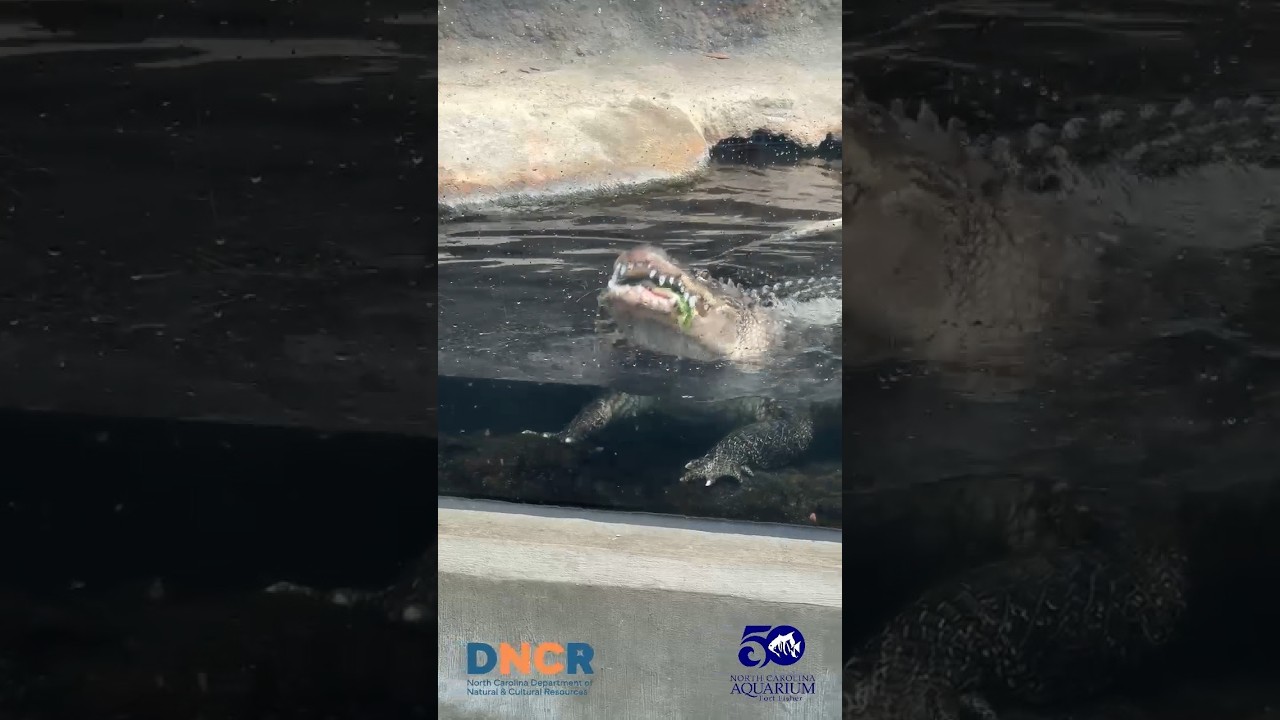
- Understanding Gantu Snacking and its ecological significance.
- The biological and behavioral characteristics of Gantu.
- Integration of Gantu Snacking into zoo management.
- Conservation efforts and the role of Gantu Snacking in wildlife preservation.
- Challenges and opportunities in maintaining Gantu populations.
Gantu Snacking is a vital aspect of the ecological and behavioral dynamics of the Gantu species. As a primarily herbivorous creature found in the lush forests of Southeast Asia, Gantu relies heavily on specialized feeding habits to thrive. Gantu Snacking refers to the animal’s pattern of intermittent feeding throughout the day, which has profound effects on both its health and the environment.
Understanding the dietary habits of the Gantu can provide invaluable insights into biodiversity, ecosystem functionality, and nutritional ecology. Gantu Snacking involves consuming a variety of fruits, leaves, and stems, thereby playing an essential role in seed dispersal and maintaining plant diversity. The dispersal of seeds by the Gantu promotes forest regeneration, a critical factor in sustaining healthy ecosystems.
The biological and behavioral features of the Gantu contribute significantly to the efficiency and adaptability of Gantu Snacking. These animals are equipped with strong jaws and sharp molars, enabling them to process fibrous plant material efficiently. Their slow metabolism complements their intermittent feeding strategy, allowing them to maximize nutrient absorption from minimal food intake.
The Gantu’s social structure also enhances their feeding habits. These creatures live in small family groups where food-sharing is common. This social behavior supports increased genetic diversity and helps younger members learn dietary patterns critical for survival.
Incorporating Gantu Snacking into zoo management entails a deep understanding of these feeding behaviors. Modern zoological parks endeavor to replicate natural habitats to provide Gantu with a familiar environment that fosters authentic foraging activities. Nutritional enrichment programs offer Gantu a range of plant-based foods resembling their wild diet, aiding in the maintenance of physical and psychological well-being.
Educational programs in zoos play a pivotal role in raising awareness about the significance of Gantu Snacking. By engaging visitors, zoos can highlight the interdependence of the Gantu with their natural habitat and the broader implications for biodiversity. This engagement is crucial for generating public interest in conservation efforts that aim to protect these creatures in the wild.
Conservation of the Gantu species is intertwined with understanding and supporting their natural feeding behaviors, such as Gantu Snacking. Habitat loss and human encroachment pose significant threats to their populations. Conservationists focus on habitat preservation and restoration to provide Gantu with the resources they need to continue their ecological role.
Efforts to establish protected areas and corridors have been integral to conservation strategies. These initiatives not only safeguard the Gantu but also support a diverse array of flora and fauna that share their environment. Captive breeding programs, synchronized with natural feeding patterns, are also underway to bolster dwindling populations.
Despite robust conservation measures, challenges persist. Natural habitats continue to degrade, and illegal hunting threatens the survival of Gantu populations. Conservationists and researchers emphasize the importance of cross-border collaborations and policy advocacy to protect these animals effectively.
Challenges in Gantu conservation present opportunities for innovation and collaboration. Researchers are exploring advanced technologies, such as satellite tracking and DNA analysis, to monitor Gantu populations and understand their movements and dietary choices better. These tools assist in crafting evidence-based conservation strategies.
Collaborations between governments, conservation organizations, and local communities are essential to address threats to the Gantu. Community-based conservation programs encourage local stewardship by involving people in habitat restoration and anti-poaching efforts.
Wildlife education is a powerful tool in fostering a culture of conservation. By disseminating knowledge about Gantu Snacking and its ecological significance, both within zoos and the broader community, advocates inspire a new generation of conservationists.
The story of Gantu Snacking is a testament to the complex interplay between species and their habitats. Through holistic management and conservation strategies, there is hope for sustaining the Gantu and its vital ecological role for future generations.
*****
Source Description
Meanwhile at the Aquarium…
