
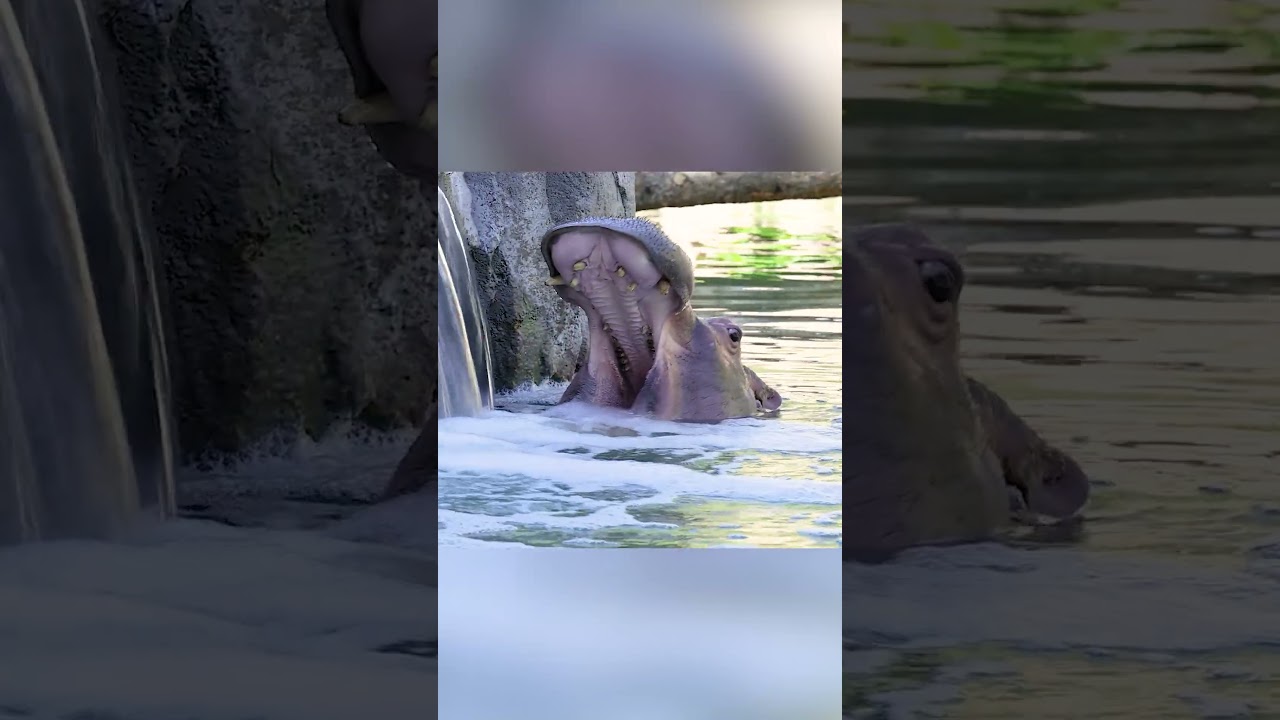
- The interplay between Omo, water, and its vibrant splash, illustrating scientific principles in zoology.
- Behavioral insights and adaptations of animals exhibited during playful water interactions.
- The role of zoological parks in wildlife conservation and educating the public on animal behaviors.
- Strategies and challenges in zoo management for creating enriching environments for animal welfare.
- Importance of water-based activities in enhancing physical and mental health in animals.
In the world of zoology, the simple equation of “Omo + water = splashy perfection” serves as an engaging gateway into understanding animal behavior and conservation. This dynamic interaction not only showcases the playful nature of animals but also provides critical insights into their wellness and social structures. Through an in-depth analysis, we will explore the intricacies of this interaction, understanding how it enhances animal health and contributes to wildlife conservation efforts.
The connection between animals, water, and play is a fascinating subject. In zoological terms, “Omo” likely refers to a specific animal or group of animals that engage in observable water play. Such interplays can demonstrate key principles of ethology, the scientific study of animal behavior. For example, when animals interact with water, they often exhibit behaviors that highlight their adaptability and instinctual actions. These interactions reveal crucial aspects of their social dynamics and natural instincts, which can help in designing better conservation strategies.
Playful interactions with water can demonstrate cognitive and physical stimulation. Elephants, for instance, are known for their playful splashes, which contribute significantly to their psychological and physiological well-being. These activities are important as they encourage physical exercise, facilitate thermoregulation, and provide opportunities for social bonding, which are critical for their overall health. Such activities in controlled environments like zoos can also help mimic natural behaviors seen in the wild, offering a glimpse into how these creatures interact with their natural habitats.
Zoological parks play a vital role in conservation and education, serving as a bridge between the public and the animal kingdom. Here, Omo’s playful interactions with water can be transformed into effective educational experiences, fostering a deeper public understanding of animal needs and behaviors. Zoos have the responsibility of balancing entertainment and education, presenting animals in ways that inspire conservation while ensuring that animals’ welfare is prioritized through enriching and stimulating environments.
Managing a zoo involves crafting habitats that enable natural behaviors, which is no small feat. Water features in enclosures must not only accommodate the animals’ needs but also promote their natural activities. This involves simulated natural habitats that provide ample opportunity for exercise, play, and social interaction. Designing such environments requires a comprehensive understanding of each species’ ecological and psychological needs, which often requires collaboration among zoologists, veterinarians, and behavioral specialists.
The challenges faced by zoo management include ensuring animal safety, dietary requirements, and the proper functioning of intricate water systems. Careful planning and execution allow for the recreation of habitats that support specific behaviors seen in the wild, such as bathing or foraging in water, essential for maintaining physical health and conditioning.
Water-based activities are important to the health of animals like Omo. These activities enhance their physical conditioning, mental acuity, and provide necessary social interaction. For animals prone to injuries or specific diseases, water-based play can be therapeutic, improving muscle tone without putting undue stress on joints. This kind of environmental enrichment is crucial, reducing stress and boredom and promoting natural instincts, which are paramount in captive settings.
Implementing water features and observing their usage can offer crucial insights into the animals’ well-being. For instance, monitoring how animals like Omo engage with water can inform adjustments in dietary needs, medical care, and behavioral training programs.
In conclusion, the interaction of Omo and water represents more than just fun and play. It highlights essential elements of zoology, conservation, and animal welfare. Through careful observation and management, zoological parks can enhance these interactions, promoting meaningful educational experiences for visitors and ensuring the physiological and psychological well-being of the animals. As society continues to emphasize the importance of conservation and diversity, understanding and fostering natural behaviors within controlled environments can significantly contribute to the broader goals of wildlife preservation and environmental education.
*****
Source Description
