
- The physical characteristics of the jaguar and their importance for survival
- Behavioral traits that contribute to their prowess as predators
- The jaguar’s critical role in ecosystems and biodiversity
- Conservation efforts and the importance of habitat preservation
- Cultural significance and symbolism associated with the jaguar
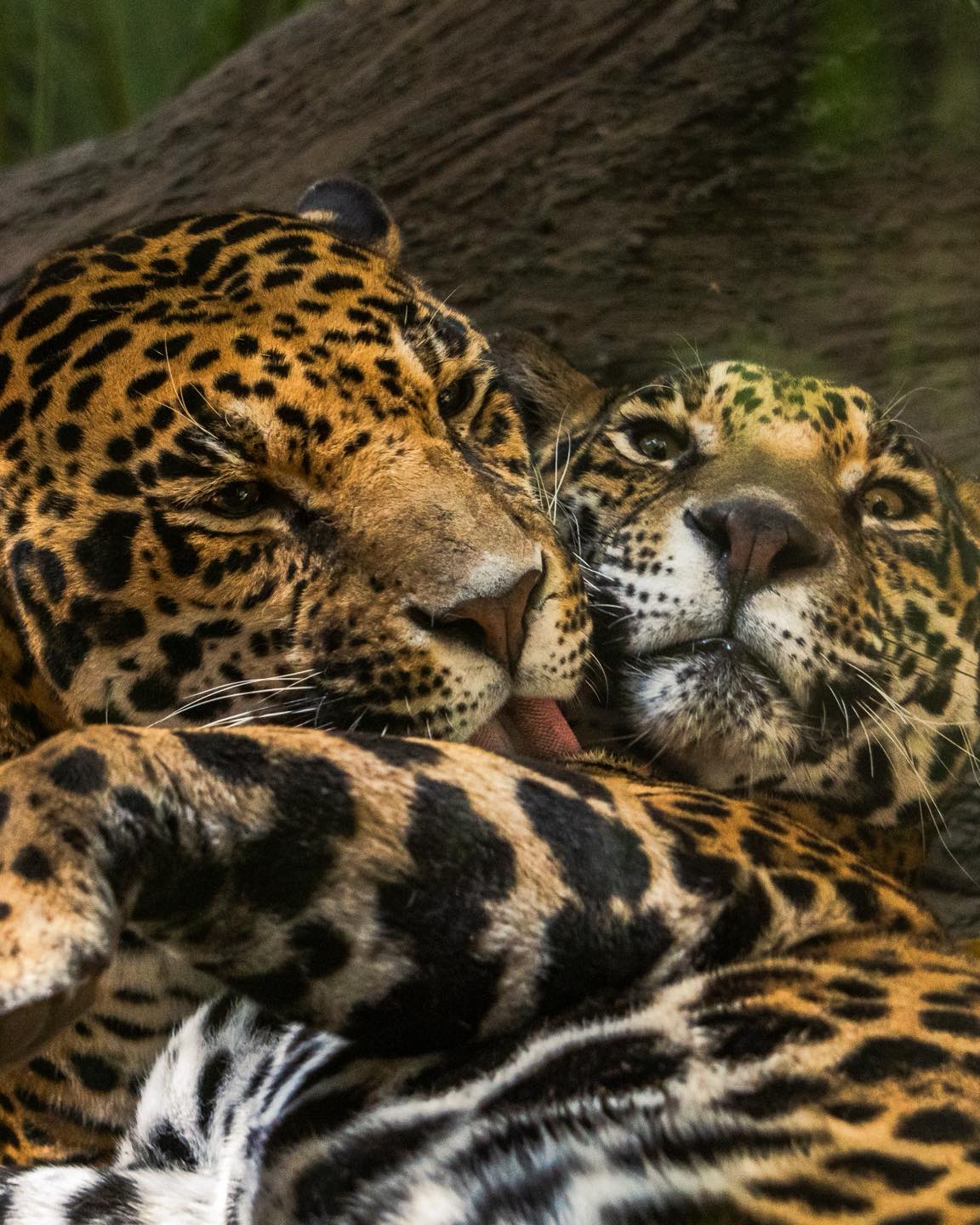
El jaguar es uno de felinos más poderosos. Recognized as the largest feline species in the Americas, this apex predator boasts several distinctive attributes that contribute to its resilience in the wild.
The jaguar’s physical characteristics play a significant role in its status as a powerful predator. With a robust build, strong limbs, and a powerful jaw, this cat easily takes down prey much larger than itself. Adult jaguars typically weigh between 100 and 250 pounds and measure around 5 to 6 feet in length. Their coat features a striking pattern of rosettes that allows them to blend seamlessly into their tropical surroundings, such as dense rainforests or swamps. This camouflage is vital, aiding in stealthy approaches toward prey while providing protection from other predators.
The strength of the jaguar is in part attributed to its unique bite. Unlike other big cats, jaguars possess one of the strongest bites relative to body size. They can crush the shell of a turtle or the bones of a caiman with ease. This exceptional strength means they can adopt various hunting strategies, targeting not only terrestrial animals but also aquatic species. Their ability to swim and hunt in water distinguishes them from other large felines.
When it comes to behavioral traits, jaguars exhibit various skilled hunting techniques that further illustrate their prowess. They are solitary by nature, preferring to stalk and hunt on their own. Their hunting style is characterized by stealth and patience. A jaguar can often wait for hours before making a move, blending into the environment while observing prey. When ready to strike, they spring into action, using their powerful limbs to leap great distances.
One notable aspect of jaguar behavior is their tendency to exhibit a range of vocalizations. From growls to meows and even purrs, these sounds serve various purposes, including marking territory and communicating with potential mates. This vocal range enhances their social structure, allowing for interactions based on dominance and mating interests.
The jaguar’s role in ecosystems is fundamentally important. As a keystone species, it plays a critical role in maintaining ecological balance. By preying on various herbivores, the jaguar helps control the population of these species. This, in turn, influences vegetation growth and contributes to healthy ecosystems. Jaguars also fulfill the important role of facilitating seed dispersal through their consumption of fruits and plants. Thus, their presence is vital for sustaining biodiversity.
Conservation is paramount for the preservation of the jaguar and its habitat. In recent decades, habitat loss and fragmentation due to urbanization, agriculture, and deforestation have severely impacted jaguar populations. Estimates suggest that their range has diminished by approximately 50% over the last century. The ongoing threats to their survival emphasize the need for robust conservation efforts.
Organizations like Africam Safari actively work to increase awareness about the plight of the jaguar. They promote habitat protection and engage in community education initiatives to foster a sense of responsibility towards wildlife conservation. By implementing scientific research and monitoring programs, these organizations can gather data essential for the effective management of jaguar populations.
Community involvement is crucial in wildlife conservation efforts. Educating local communities about the ecological importance of jaguars fosters a deeper respect for these magnificent animals. In places where agriculture and livestock farming coexist with jaguars, it’s essential to develop conflict mitigation strategies that protect both human livelihoods and jaguar habitat.
In addition to ecological aspects, the jaguar holds significant cultural value. Various indigenous groups and cultures across Latin America regard the jaguar as a symbol of power, strength, and the interconnectedness of life. Their imagery is often found in folklore, art, and mythology. This cultural significance can be leveraged to promote conservation through cultural education.
Artistic expressions that feature the jaguar not only celebrate its beauty but can also serve as a vehicle for raising awareness about environmental issues. By integrating the jaguar’s symbolic nature into various cultural narratives, communities may find a renewed sense of purpose in conservation efforts.
The jaguar’s intelligence is another intriguing aspect of its behavior. They are known to adapt their hunting techniques based on environmental factors and prey behavior. Research indicates that jaguars can remember successful foraging areas, showcasing their ability to learn and adapt. This intelligence also complicates conservation efforts, as individual jaguars may respond differently to changing environmental conditions.
While various species face threats from climate change, jaguars are particularly vulnerable due to their reliance on specific habitats. Alterations in their ecosystem can lead to shifts in prey abundance and distributions, subsequently affecting their survival. To mitigate these challenges, conservationists advocate for the establishment of wildlife corridors. These corridors connect fragmented habitats, allowing jaguars to travel between areas and maintain genetic diversity.
Legal protections also play a crucial role in the conservation of the jaguar. In many countries, national policies establish protected areas where hunting is prohibited. Enforcement of these laws requires collaboration between governments, NGOs, and local communities. Strengthened regulations can help curb illegal poaching and ensure safe habitats for jaguar populations.
Innovative approaches to conservation have emerged in recent years. Camera trap technology has become increasingly sophisticated in monitoring wildlife populations, including jaguars. These cameras provide invaluable data on population dynamics, behavior, and prevalence within specific regions. Such information facilitates targeted conservation strategies.
Moreover, partnerships between conservation organizations and technological firms are paving the way for more efficient monitoring methods. Drones equipped with advanced imaging technologies can assess habitat quality and human-jaguar interactions in real-time. Such advancements may revolutionize how conservationists collect data and respond to environmental changes.
Habitat restoration efforts are also essential in supporting jaguar populations. Reforestation projects can help recover areas that have been degraded by human activities. By restoring connectivity among fragmented landscapes, these initiatives foster healthier ecosystems where jaguars can flourish.
Public awareness campaigns are integral in driving support for conservation efforts. Education initiatives that highlight the importance of the jaguar in maintaining ecological balance can generate community interest. Events such as wildlife conservation days serve as platforms for educating the public about the need for protective measures. Engagement activities, like guided tours in natural habitats, can foster a direct connection between individuals and their environment.
The jaguar exemplifies the delicate balance of nature. Its existence is intertwined with the health of various ecosystems. Each jaguar represents strength, beauty, and the intricate relationships that form the fabric of life on Earth.
Through strategic conservation initiatives and community engagement, we can work toward ensuring the survival of the jaguar for future generations. By recognizing its significance in both ecological and cultural contexts, society can cultivate a collective responsibility to preserve this extraordinary feline.
El jaguar es uno de felinos más poderosos, embodying both a fierce and vital part of our natural heritage. The efforts we make today toward its protection will echo through time as a testament to humanity’s commitment to preserving the planet’s irreplaceable treasures.
*****
Source Description
El jaguar es uno de felinos más poderosos. 🐆💛
Su fuerza, sigilo y belleza lo convierten en un símbolo de equilibrio en la naturaleza. En Africam Safari cuidamos y promovemos la protección de esta especie que representa la grandeza de la vida silvestre. 🌎✨
