
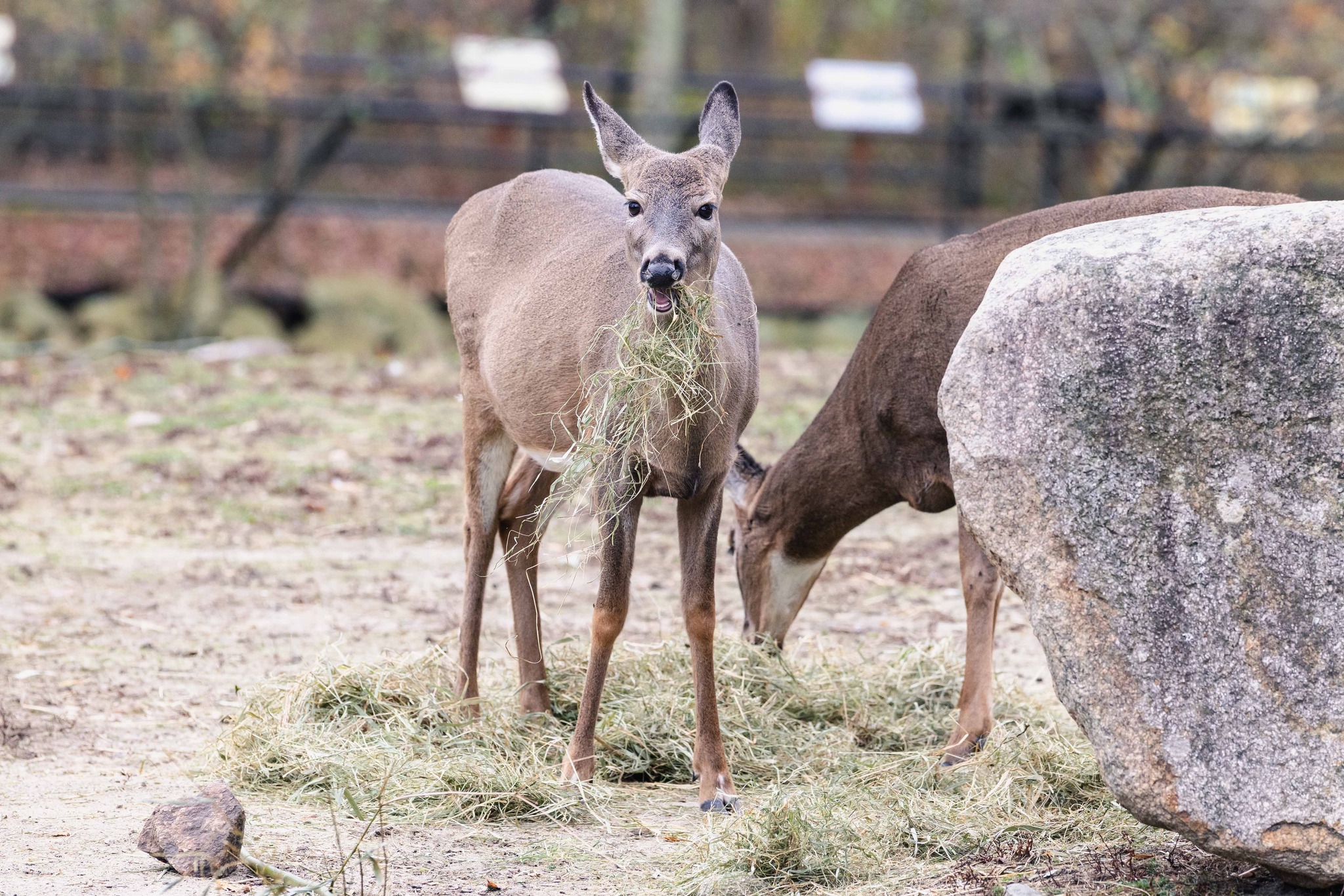
- The significance of carbohydrate loading in wildlife, specifically the white-tailed deer.
- Understanding the dietary needs of white-tailed deer during the autumn season.
- The relationship between population dynamics and food availability.
- Conservation strategies to protect deer habitats during critical periods, like Thanksgiving.
- The role of human activity in disrupting natural foraging behavior.
Carb loading, commonly associated with athletes preparing for endurance events, can be observed in the animal kingdom as well, particularly among white-tailed deer as Thanksgiving approaches. These deer are busy foraging for food, prioritizing the consumption of carbohydrates as a survival strategy for the colder months ahead. Understanding their feeding behaviors during this time provides insights not only into their physiology but also into broader ecological dynamics.
White-tailed deer are fascinating creatures native to the Americas, known for their adaptability and resourcefulness. As autumn descends, they enter a pivotal feeding phase. This time of year is critical for these animals. They engage in intense foraging to accumulate fat reserves by consuming abundant food sources, primarily those rich in carbohydrates. Acorns, soft mast from trees, and various agricultural products become dietary staples. These resources not only sustain the deer but also prepare them for the harsher conditions of winter.
During this period, white-tailed deer exhibit a noticeable increase in their foraging activities. The instinct to accumulate calories is driven by the impending environmental challenges. With winter looming, food becomes scarce, and temperatures drop, necessitating an increase in body fat. This metabolic adjustment ensures they have sufficient energy to survive when natural resources deplete.
White-tailed deer display a fascinating relationship with their environment, particularly in how they adapt their feeding habits. Their keen sense of smell helps locate high-quality food sources. In forests and fields, they can quickly identify nuts, fruits, and other carbohydrate-rich foods. These seasonal dietary preferences are deeply ingrained behaviors, reflecting an evolutionary response to changing ecological conditions.
From a population dynamics perspective, the availability of food resources directly influences deer populations. A healthy food supply leads to higher reproductive rates, while scarcity can lead to malnutrition and decreased survival rates. Understanding these dynamics helps wildlife managers monitor deer populations and implement necessary conservation measures.
As human activities increasingly impact wildlife habitats, these dynamics can become altered. Urban development, agriculture, and deforestation lead to habitat fragmentation, reducing the availability of the rich food sources deer rely on. The conversion of natural lands into agricultural fields may provide short-term benefits in food availability, but such changes disrupt long-term ecological balance.
Conservation efforts must address these challenges to support healthy white-tailed deer populations, particularly during critical periods like Thanksgiving. Strategies include habitat preservation, restoration of native plants, and controlled hunting practices. Wildlife corridors also play a crucial role, allowing deer to navigate between feeding areas safely.
Habitat protection not only benefits deer but also supports broader ecological health. Native plant species, which deer consume, provide essential nutrients. By cultivating and protecting these habitats, we foster a balanced ecosystem that sustains not just deer but an array of wildlife.
The role of community engagement in supporting wildlife conservation efforts cannot be understated. Educational programs can heighten public awareness about the dietary needs of white-tailed deer and the impact of human decisions on their survival. Local communities can play a proactive role in preserving natural habitats, participating in restoration initiatives, and aiding in the sustainable management of deer populations.
Human interference often distracts deer from essential foraging behaviors, influencing their overall health and survival. Noise, pollution, and urbanization can disrupt their natural patterns, making it difficult for them to locate food sources. Understanding these human impacts helps inform policies that promote coexistence between wildlife and urban environments.
White-tailed deer serve as an important indicator species for ecological health. Their well-being reflects the state of the environment. By focusing on their dietary needs and foraging behaviors, we grasp the intricate relationships between wildlife and their habitats.
In the context of Thanksgiving, it is essential to reflect on our role in maintaining the balance of these ecosystems. Our actions, whether through habitat preservation or responsible wildlife management, directly affect the future of species like the white-tailed deer. They remind us of the interconnectedness of life and the enduring need for conservation in the face of human development.
Lastly, as Thanksgiving approaches, consider how the diet of the white-tailed deer parallels our own traditions of gathering and feasting. In a way, we share a common bond with wildlife, both preparing for a season of scarcity. Awareness of their foraging needs enriches our understanding of wildlife behavior and broadens our perspective on the importance of conservation practices.
By examining the dietary patterns and habitats of white-tailed deer, we take significant steps towards understanding broader ecological principles. As stewards of the environment, it is our responsibility to champion conservation strategies that ensure the health and sustainability of wildlife populations. A commitment to preserving natural habitats will foster resilience in deer during challenging seasons and safeguard the balance of ecosystems for generations to come.
*****
Source Description
All of us later this month.
Anyone else practicing carb loading for Thanksgiving? The white tailed deer certainly are!
