
- The significance of the butterfly ray in marine ecosystems
- Key threats leading to the endangerment of species like the butterfly ray
- Detailed processes involved in the rescue and rehabilitation of endangered species
- The collaborative efforts of organizations in conservation initiatives
- Education and awareness as vital components in the conservation of marine species
The butterfly ray, scientifically known as Gymnura altavela, plays a crucial role in maintaining the balance of marine ecosystems. This species is vital for the overall health of coastal habitats. As a benthic organism, the butterfly ray contributes to the health of its environment by feeding on invertebrates and promoting biodiversity. The loss of the butterfly ray would not only disrupt its ecological niche but also set off a chain reaction affecting numerous other species. Understanding its importance emphasizes the need for conservation measures.
Despite its ecological significance, the butterfly ray faces alarming threats. Habitat degradation is a primary concern, primarily driven by human activities such as coastal development and pollution. These factors disturb the natural environments where the butterfly ray thrives. Furthermore, the species often encounters interaction with fishing practices. Bycatch in fishing nets poses a severe risk, leading to unintentional capture and mortality. The combination of these threats makes it imperative to take action to protect this species and other marine wildlife.
Rescuing an endangered species like the butterfly ray involves a comprehensive and multistep process. The initial stage typically begins with identifying populations at risk. Scientists and conservationists engage in extensive data collection and monitoring. Techniques include tagging and tracking to gain insights into migration patterns, reproductive habits, and population dynamics. This information is essential for targeted conservation efforts.
Once a population is observed to be declining significantly, rescue operations may commence. Training and coordinated efforts are critical here. Teams often include marine biologists, veterinarians, and skilled divers who understand the nuances of dealing with sensitive species. During the rescue phase, specific methodologies are used to capture and transport the butterfly rays safely. Stress reduction during this process is vital, as handling can impact their health.
Rehabilitation facilities play a key role in the recovery of rescued animals. These specialized centers are equipped to provide medical care and a suitable environment for recovery. For the butterfly ray, this may include habitat simulation to promote acclimatization. When marine animals are in distress, they often need particular environmental conditions to thrive. The staff at rehabilitation centers carefully monitor vital signs and behavior, upgrading care protocols as necessary. At times, more advanced medical intervention is needed, such as surgery or specialized diets.
Collaboration is at the forefront of successful conservation efforts. Organizations like Fundación Oceanogràfic work together with government entities, such as the Fundación Biodiversidad under the Spanish Ministry for Ecological Transition. Support from the European Regional Development Fund enables more extensive initiatives and research projects aimed at preserving endangered species. This symbiosis between public and private entities often leads to more effective outcomes.
Awareness and education also play a pivotal role in conservation strategies. Initiatives aimed at increasing public understanding are fundamental for garnering community support. Information campaigns often showcase the importance of the butterfly ray and its ecological functions. Engaging the public can result in increased participation in local conservation projects, such as beach clean-ups and marine monitoring programs. Education programs in schools can foster a new generation of environmentally conscious individuals who advocate for marine conservation.
Even with robust rescue operations and widespread awareness, ongoing conservation requires diligent effort. Continuous assessment and monitoring of marine environments are necessary. Collecting data on potential threats provides insights into preventing possible declines in species populations. Furthermore, integrating scientific research into policy-making ensures that protective regulations adapt to emerging problems in marine habitats.
The intersection of conservation science and public responsibility fosters a holistic approach to saving endangered species like the butterfly ray. The synergy between scientific rigor and community engagement can facilitate significant changes in the health of marine ecosystems and promote biodiversity. Through collaborative actions, ongoing education, and dedicated rescue efforts, humanity can work towards reversing the decline of endangered species.
Conserving the butterfly ray is just one of many steps in promoting marine biodiversity. This project exemplifies a model of effective conservation practices and serves as a benchmark for future initiatives aimed at rescuing endangered species. The collective action taken by organizations and individuals emphasizes that concerted efforts can yield positive results in the fight against extinction. The essential work carried out by groups like Fundación Oceanogràfic not only aids individual species but contributes to the overall integrity of marine ecosystems.
This comprehensive and thorough approach to rescue and rehabilitation informs future conservation efforts. Maintaining the balance of marine ecosystems is paramount for the health of the planet. Educating communities about the importance of each species reinforces the interconnected nature of biological systems. Therefore, emphasizing the role of diverse marine life becomes crucial to advocacy efforts.
Engagement in conservation activities strengthens community bonds and fosters a broader understanding of ecological principles. An engaged public can have a powerful influence on conservation legislation, resulting in more stringent protections for vulnerable species like the butterfly ray. By highlighting the importance of these species, advocacy efforts can reduce harmful practices that threaten their survival.
The butterfly ray’s plight adds to the urgency of marine conservation, showcasing the need for proactive, informed measures. Coordinated efforts, backed by community involvement and scientific research, may ultimately result in increasing the populations of endangered species. The ongoing situation in marine conservation reflects the multifaceted challenges faced in the modern world.
Taking care of our oceans can no longer be viewed as a discretionary activity; it must be a collective imperative. Protection of marine habitats like those of the butterfly ray cannot occur in isolation. Diverse collaborative mechanisms must be established among scientists, policymakers, conservation organizations, and the community at large. Only through a cross-sectional approach can enduring strategies be developed for the rescue of species in peril.
With the ultimate goal of reducing the risks faced by endangered species, comprehensive strategies focused on ecology and community are essential. The engagement of local communities further enhances these efforts, allowing for shared responsibility. Robust educational frameworks empower future generations, fostering enthusiasm for preserving marine biodiversity.
Through an active, informed, and united approach, significant strides can be made toward the conservation of endangered species like the butterfly ray. Continual dedicated efforts are key to ensuring that marine ecosystems can thrive, promoting overall environmental stability for generations to come. The necessity for ongoing research, public support, and targeted advocacy in marine conservation remains clear, urging everyone to participate in these crucial endeavors.
*****
Source Description
🦈 ¿Cómo es el rescate de una especie en peligro de extinción?
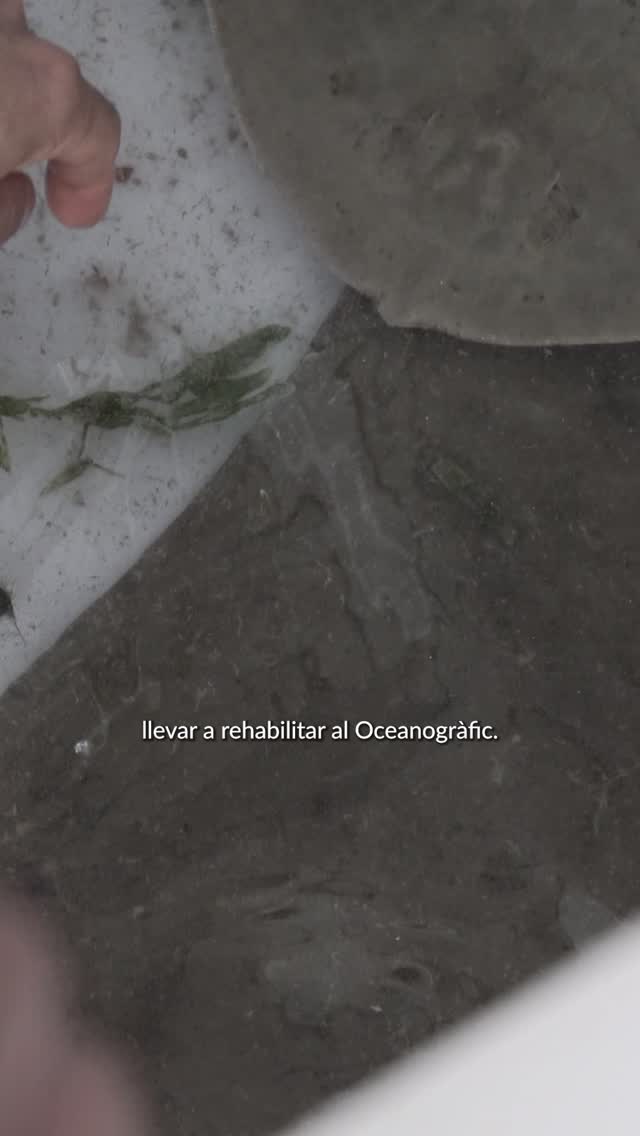
Hemos acompañado a nuestro equipo de Conservación de la Fundación Oceanogràfic en el rescate de una raya mariposa (𝘎𝘺𝘮𝘯𝘶𝘳𝘢 𝘢𝘭𝘵𝘢𝘷𝘦𝘭𝘢), una especie clave para el equilibrio de los ecosistemas marinos que, lamentablemente, se enfrenta a amenazas como la degradación de su hábitat o la interacción con la actividad humana.
🤝El Proyecto Mantelinas de la Fundación Oceanogràfic cuenta con el apoyo de la @fundacionbiodiversidad del Ministerio para la Transición Ecológica y el Reto Demográfico (MITECO), a través de la cofinanciación del Fondo Europeo de Desarrollo Regional (FEDER).
