
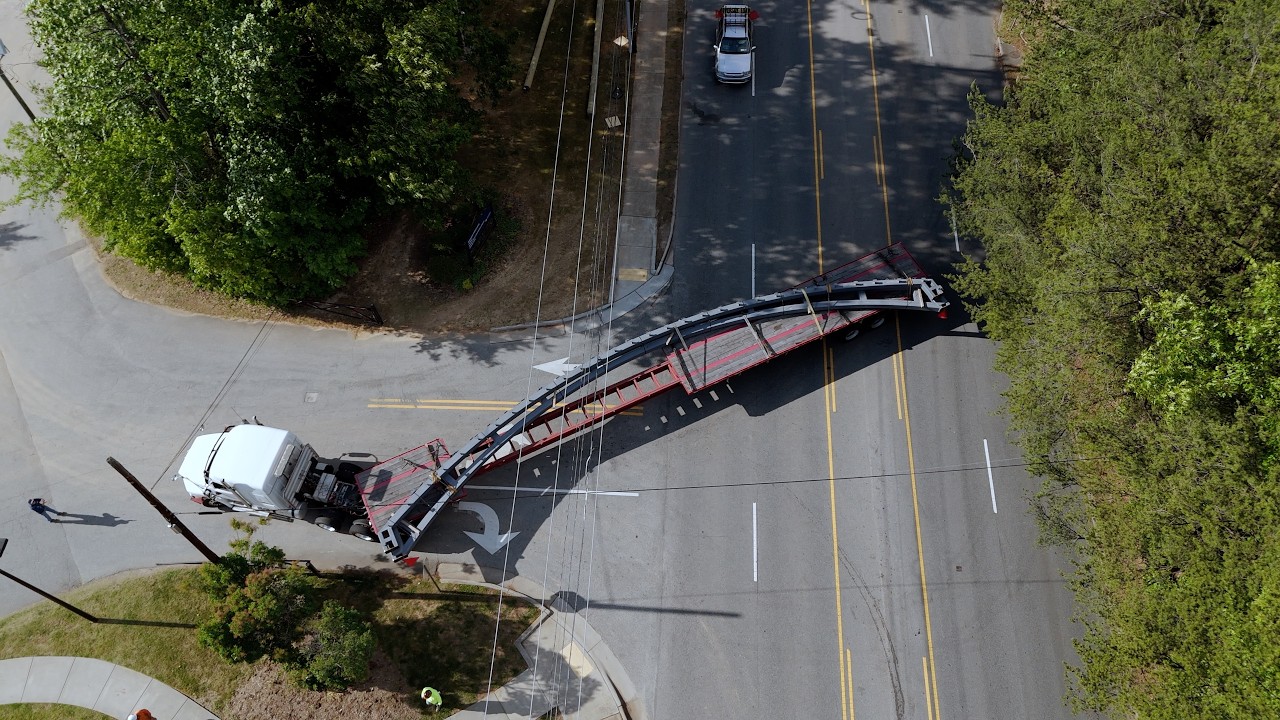
- Biodome steel delivery and installation are pivotal in creating sustainable zoo habitats that balance architectural innovation and animal welfare.
- The engineering of steel biodomes requires precision to support diverse species while maintaining environmental integrity.
- Wildlife conservation efforts are significantly enhanced by technological advancements in biodome construction.
- Collaborative efforts between zoologists, architects, and engineers are crucial in the successful implementation of such projects.
- The educational aspect of biodomes helps raise public awareness about biodiversity and conservation challenges.
The construction and installation of a biodome involves an intricate and well-coordinated effort that combines architectural expertise and wildlife conservation principles. The primary focus is to simulate natural habitats within a controlled environment, enabling both public engagement and scientific research.
Biodomes use advanced steel frameworks as their foundation, providing the necessary strength and flexibility to create expansive enclosures for diverse species. This requires a detailed understanding of both engineering principles and the biological needs of the inhabitants. The choice of steel is crucial because of its durability, adaptability, and ability to create dynamic spaces that replicate the animals’ natural environments. These structures maintain an appropriate balance between form and function, allowing for exceptional structural resilience and habitat authenticity.
Biodome steel delivery doesn’t merely involve transporting materials. It is a systematic process where each aspect, from logistics to precision engineering, plays a vital role in the successful setup of the structure. Planning must consider transportation routes, equipment accessibility, and compliance with environmental regulations. Special transport vehicles might be needed due to the size and weight of the components, and safety protocols must be adhered to during transit and installation. These elements are integral in order to minimize environmental impacts and optimize the construction timeline.
Installation demands meticulous coordination among architects, engineers, and wildlife specialists. Each steel component must be assembled with precision to ensure the structural integrity of the dome. This involves aligning the steel beams accurately and securing them in place, a task that requires both technical skill and an understanding of the stress distributions within the structure. Here, the collaboration with zoologists is essential to confirm that the internal design of the biodome supports the ecological requirements of the species it houses.
The biodome supports wildlife conservation by offering a unique opportunity to recreate ecosystems that are under threat in the wild. Through modern architectural design, these structures can provide shelters that protect species from the impacts of climate change, habitat loss, and human activities. They can be climate-controlled to simulate seasonal variations, providing animals with an environment that mimics their natural habitats closely. This aspect of conservation is crucial not only for the survival of individual species but also for providing researchers with controlled environments to study animal behavior and ecology.
Moreover, the collaboration among various professionals is a testament to the interdisciplinary effort required to build biodomes. Engineers, architects, and zoologists must work in harmony, each bringing their expertise to the table. Engineers focus on the structural components, ensuring stability and safety. Architects design spaces that are both visually appealing and conducive to animal welfare. Zoologists help shape these designs to incorporate adequate space, hiding spots, and enrichment structures that promote natural behaviors.
Public engagement and education are pivotal elements of biodome projects. They serve as educational platforms that shed light on biodiversity and conservation issues. By providing interactive and immersive experiences, biodomes inspire visitors to appreciate the complexity and beauty of ecosystems. Educational programs and exhibits within these spaces help cultivate awareness and understanding, which are essential for fostering a conservation-minded society.
The installation process itself offers an engaging narrative, demonstrating the fusion of technology and nature in thrilling ways. The spectacle of constructing such massive, intricate structures can draw public interest and stimulate dialogue about the importance of preserving natural habitats and species.
In conclusion, biodome steel delivery and installation are crucial operations that go far beyond mere construction. They signify the convergence of science and art, engineering and ecology, all aimed at promoting sustainability in zoos and conservation centers worldwide. By continuing to innovate in biodiversity conservation techniques, we can make significant strides in protecting our planet’s invaluable natural heritage and engaging future generations in these efforts.
*****
Source Description
Join our COO, Beth Hemphill, as she takes you through the process of receiving 75′ foot, 10,000 lb steel trusses and the installation of that steel to create the skeleton of our future Rainforest Biodome!
