
- Elephants’ social structures and emotional intelligence, highlighting their complex relationships and bonds.
- The role of elephant emotions in conservation efforts and the impact on their survival.
- Zoo management practices that accommodate elephants’ emotional needs and welfare.
- Stories and examples from research and field studies underscoring elephants’ emotional depth.
- Strategies and approaches in wildlife conservation to foster healthy elephant populations.
Elephants are extraordinary creatures, renowned for their intelligence, social structures, and emotional depth. Their capacity for forming complex relationships showcases a sophisticated emotional intelligence that resonates profoundly with humans. Understanding these characteristics offers insights into the conservation challenges and opportunities these majestic animals face.
Elephants live in structured social groups, led often by an older female known as the matriarch. This leadership is central to the herd’s survival, as she carries critical knowledge of resources and migratory routes. Elephants’ social connections are rich and dynamic, highlighting behaviors such as cooperation, empathy, and mourning. Research has shown that elephants comfort one another in distress, indicating a level of compassion that parallels human emotions. Observations of elephant behavior demonstrate that they have long-lasting familial bonds and can experience a range of emotions from joy to grief.
These emotional capabilities are not just fascinating—they are crucial to conservation efforts. Elephants’ ability to form bonds and communities suggests that emotional health is as important as physical well-being. Stress from habitat loss or poaching can disrupt their social groups, leading to long-term impact on their survival. Conservation strategies increasingly recognize the need to maintain the integrity of these social structures. Programs focusing on anti-poaching and habitat restoration are more successful when they integrate an understanding of elephants’ emotional and social needs.
Zoo management practices have evolved significantly, placing a stronger emphasis on accommodating the emotional and psychological well-being of elephants. Successful zoo environments replicate elements of natural habitats and social dynamics to provide mental stimulation and reduce stress. Emphasis is placed on creating spaces that allow elephants to engage in natural behaviors such as foraging, socializing, and exploring. Enrichment activities, like puzzle feeders or mud baths, contribute to their cognitive and emotional stimulation, thus enhancing their overall well-being.
Observational studies and anecdotal evidence further illuminate the emotional depth of elephants. Stories of elephants participating in rituals for their deceased, or reuniting joyously after years apart, provide compelling evidence of their complex emotional lives. Such findings highlight the necessity of conservation efforts that account for these behaviors and emotional expressions.
Promoting the longevity and health of elephant populations involves strategies that address both environmental and emotional factors. Protecting habitats, curbing human-elephant conflicts, and community education are foundations of successful conservation. Initiatives that promote eco-tourism and support local economies encourage communities to value and protect elephant populations. Conservationists also advocate for international regulations to reduce ivory trade and enhance protection for these animals.
Elephants are emblematic of our planet’s biodiversity, and their preservation requires thoughtful, informed strategies. By incorporating an understanding of their emotional and social complexities into conservation and management practices, we can foster healthy populations and sustain these remarkable creatures for future generations.
*****
Source Description
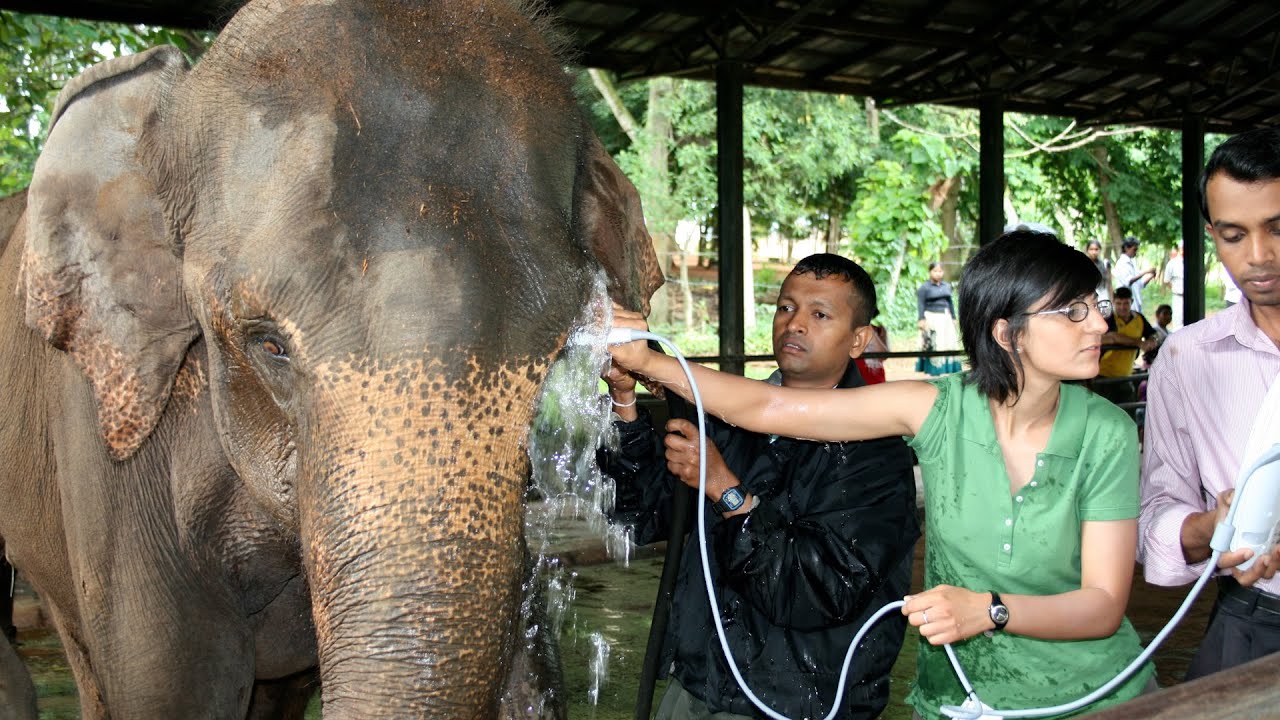
When Dr. Priya Bapodra-Villaverde was growing up, she was captivated by the natural world. Elephants, especially, held a special place in her heart – not only for their intelligence and deep family bonds, but also because of their cultural significance. Ganesha, the elephant-headed god known for removing obstacles, was her favorite Hindu deity. That connection, passed down through her family, helped shape the compassionate values that guide her today.
Every time Dr. Priya travels to an elephant range country, she adds an eleplant charm to a necklace she started with her mother. Each one tells a story—a quiet reminder of the path she’s walked, the lives she’s touched, and the passion that drives her forward.
Now, a Diplomate of the American College of Zoological Medicine and a globally respected veterinary leader, Dr. Priya’s journey is a powerful reminder that compassion and connection, when supported, can create lifelong impact. When you donate to the Columbus Zoo and Aquarium, your gift doesn’t just help animals. It also supports the people dedicating their lives to protecting them. To make your donation and help make a positive impact for animal care and conservation, Give Wildly today at https://www.columbuszoo.org/givewildly. 🐘
